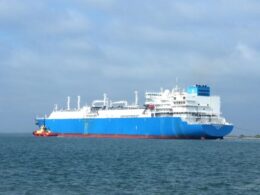

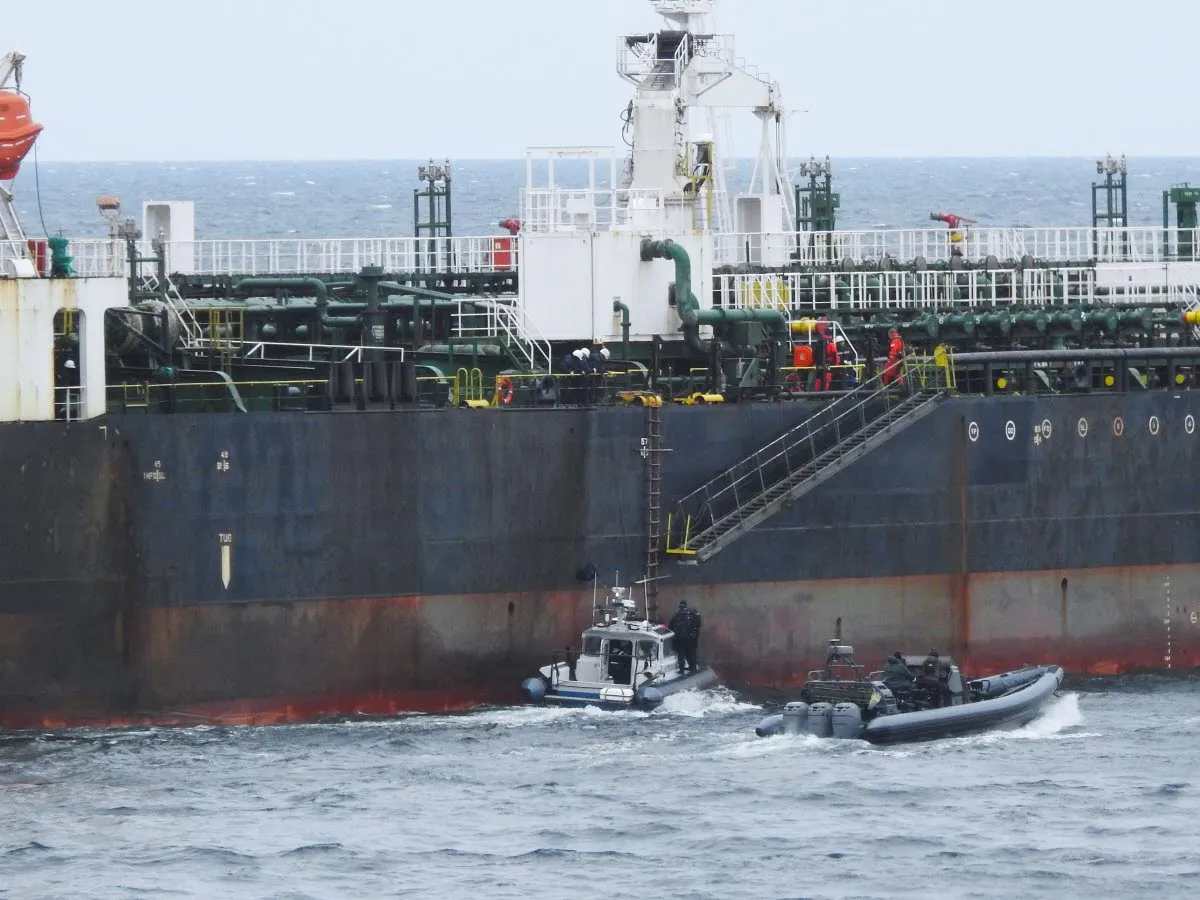
On 3 April, the Swedish Coast Guard reported that it had boarded a sanctioned oil tanker suspected of spilling mineral oil across 12 km of the Baltic Sea east of Gotland, in what authorities describe as the first time Sweden has linked a pollution incident to a vessel already on the EU sanctions list. The tanker, the Flora 1, also appears on Ukraine's sanctions list and has unclear flag status, adding to a criminal investigation that prosecutors are now leading aboard the ship.
The spill and the boarding
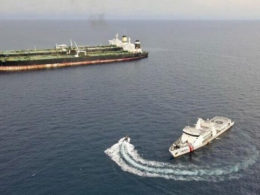
Swedish Coast Guard aircraft detected the mineral oil slick early on 2 April. At the time of discovery, it stretched over 12 km. Investigators identified the Flora 1 as a vessel of interest and tracked it down. Early Friday, the coast guard — operating under Operation Klöver and in cooperation with police — boarded the ship and escorted it to an anchorage outside Ystad in southern Sweden.
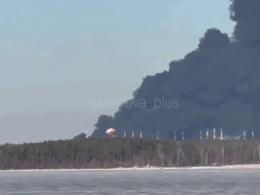
The tanker was sailing from Ust-Luga in the Gulf of Finland, a major Russian oil export terminal that suffered from a series of devastating Ukrainian attacks last week. Its stated destination was the port of Santos in São Paulo, Brazil, according to the Vesselfinder ship tracker. The vessel was carrying oil and had 24 crew members on board, the Coast Guard said.

"We act when we discover spills. This is a result of our reinforced maritime surveillance, which we conduct due to the deteriorated security situation in the Baltic Sea region," said Daniel Stenling, deputy operations chief at the coast guard.
The spill itself cannot be cleaned up. Authorities say it has now merged with the sea.
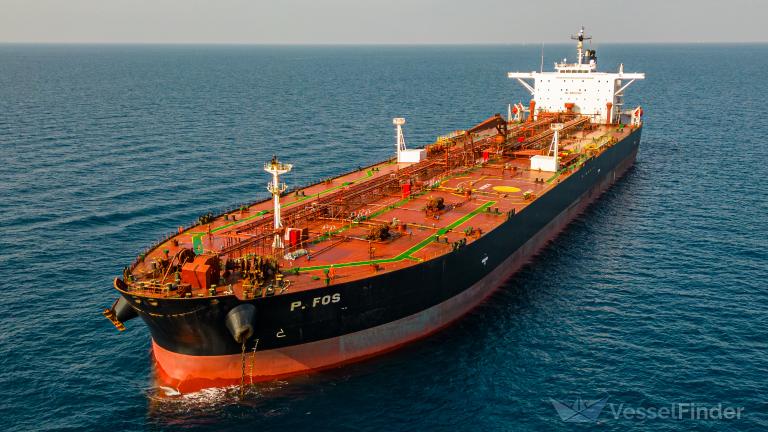
No flag. Russian oil. Two intelligence operatives on board. Now its captain faces prison.
Sanctions, unclear flag, murky ownership
The Flora 1 is listed on the EU sanctions list and appears on Ukraine's sanctions list as well, where it was designated by a National Security and Defense Council decision of 13 December 2025, with a ten-year sanctions term covering asset freezing, full trade restrictions, and a complete ban on entry into Ukrainian waters.
The document lists the ship's owner as Narmada Maritime Inc., and its flag at the time of designation as the Republic of Benin. Currently, it is sailing under the flag of Cameroon.
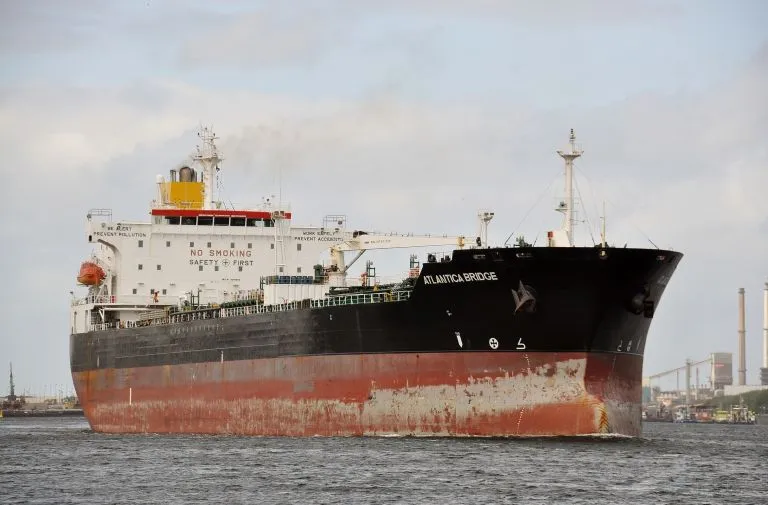
Swedish authorities say the vessel currently has unclear flag status — one of several irregularities surrounding it that prosecutors are now examining.
"It is without doubt interesting in the context that the vessel is surrounded by various ambiguities beyond the suspicion of an oil spill. Whether this means additional criminal suspicions, the investigation will show," Stenling said.
Stenling also noted that, as far as the coast guard knows, this is the first time Sweden has been able to trace a Baltic oil spill to a vessel already subject to sanctions.
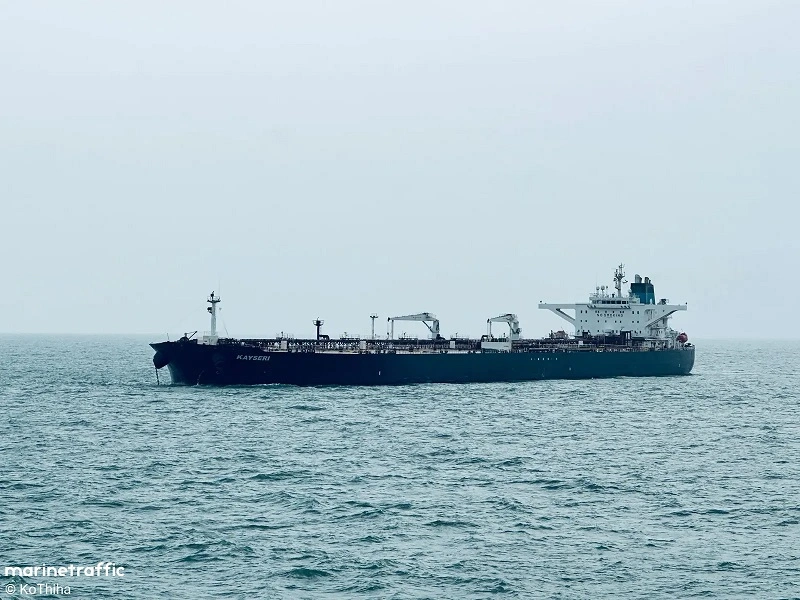
Sanctioned Russian shadow fleet tanker struck by drone near Istanbul, 140,000 tons of oil on board
Crackdown on shadow fleet traffic
The Flora 1 boarding fits into a rapidly escalating campaign against Russia's shadow fleet across multiple fronts. In the North Sea in late February, Belgium seized a sanctioned Russian tanker in a joint operation with French Navy helicopters — dubbed Operation Blue Intruder. In March 2026, Sweden boarded the Sea Owl I — another sanctioned tanker suspected of operating under a false flag — off Trelleborg. The UK earlier announced that it would detain Russian shadow fleet vessels transiting British waters.
Ukraine has been hitting the fleet from a completely different direction. Kyiv's so-called "kinetic sanctions" — drone strikes on shadow fleet tankers in the Black Sea and Mediterranean — tripled war-risk insurance costs and drove at least one Turkish shipping company to cut ties with Russian partners overnight.
The enforcement push comes against a contradictory backdrop in Washington. The Trump administration issued a temporary waiver allowing India to purchase Russian crude already loaded on tankers at sea — a move US senators criticized as relieving financial pressure on Russian exporters and undermining years of sanctions enforcement.