

The occupation administration of the Russian-controlled part of Donetsk Oblast has proposed using mine water to supply residents, claiming the plan as an "innovative" solution to the region's chronic drinking water shortage, Ukraine's Center for Countering Disinformation (CPD) reported on 1 April. The CPD assessed the proposal as a simulation of governance rather than a genuine fix, in line with a series of previously announced water supply solutions under occupation that were never built.
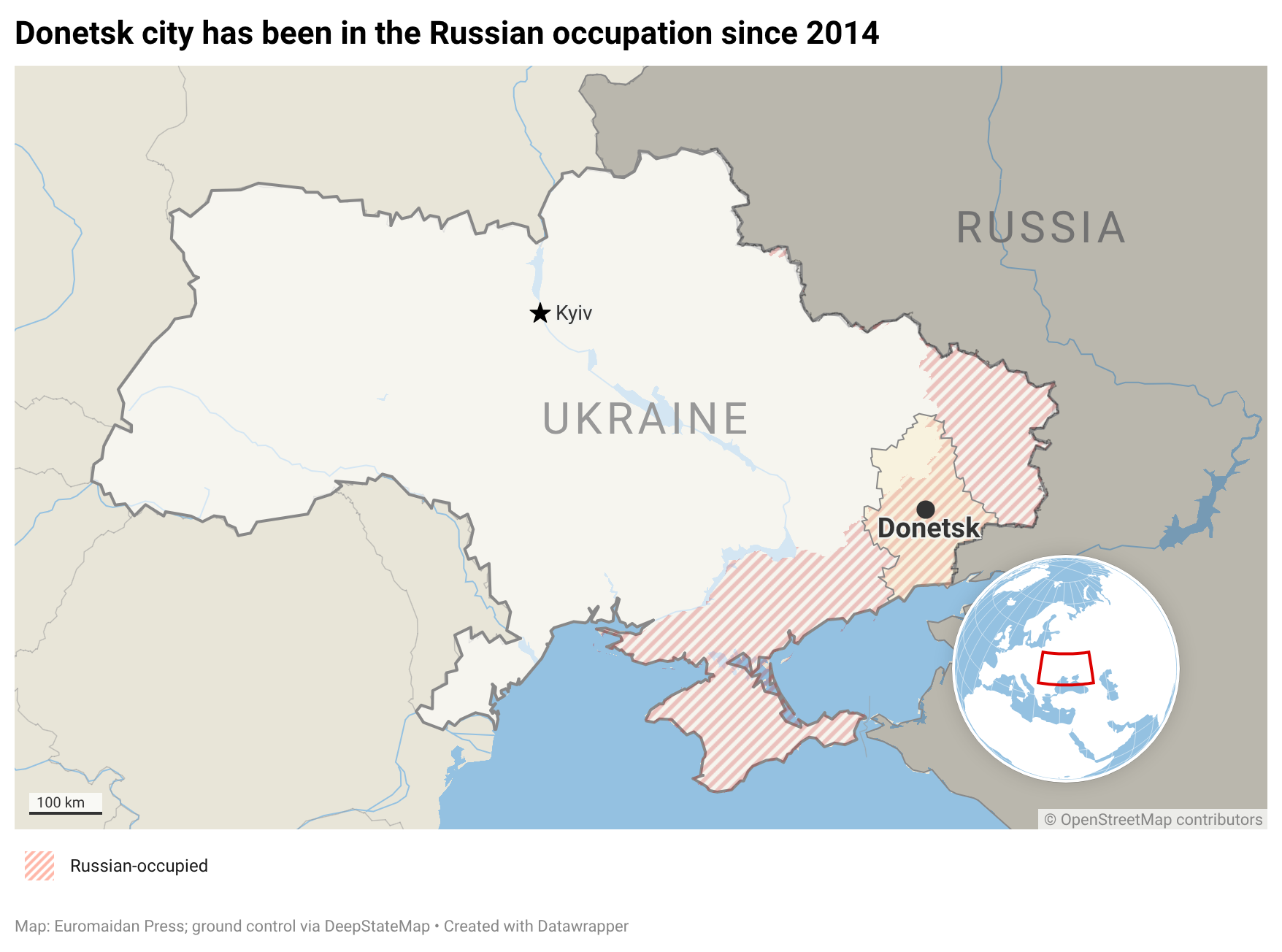
The water crisis began early in Russia’s full-scale invasion, when the Siverskyi Donets-Donbas canal infrastructure, which supplied 94% of potable water in the region — the main source of potable water for the city of Donetsk and much of the surrounding area — was damaged and later destroyed beyond repair. At the same time, in the course of 12 years of the occupation, most, and possibly all, of the region’s coal mines appear to have been neglected beyond recovery: their drainage systems stopped working, mine water flooded the shafts, and the contamination gradually spread to other water sources.
The proposal
So-called "first vice premier" of the Russian-run "Donetsk people's republic" Andrei Chertkov announced plans to use mine water for the population. The CPD noted the proposal was presented as an innovative approach to a crisis that has left residents without reliable drinking water for years.
Mine water in the Donbas contains heavy metals, salts, bacterial contaminants, and, in some cases, radioactive elements, the Center noted. Purification is theoretically possible but extremely expensive and technically complex — resources the occupation administration has never demonstrated it can deploy.
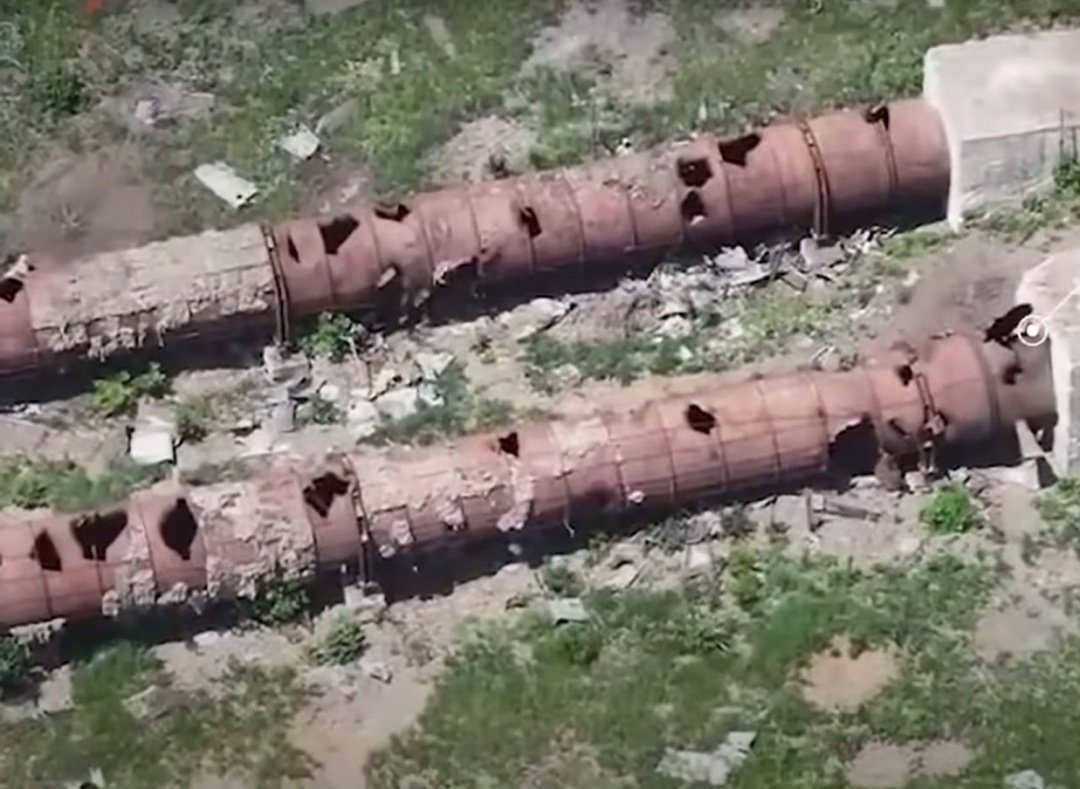
Photo: via Ukrinform
A pattern of unbuilt solutions
Similar proposals have been made before under Russian occupation, the Countering Disinformation Center says. None was implemented. The CPD assessed the pattern as serving a specific function: occupation officials simulate active governance to maintain their posts and preserve access to financial flows from Moscow, while residents' actual problems go unresolved.
Trending Now
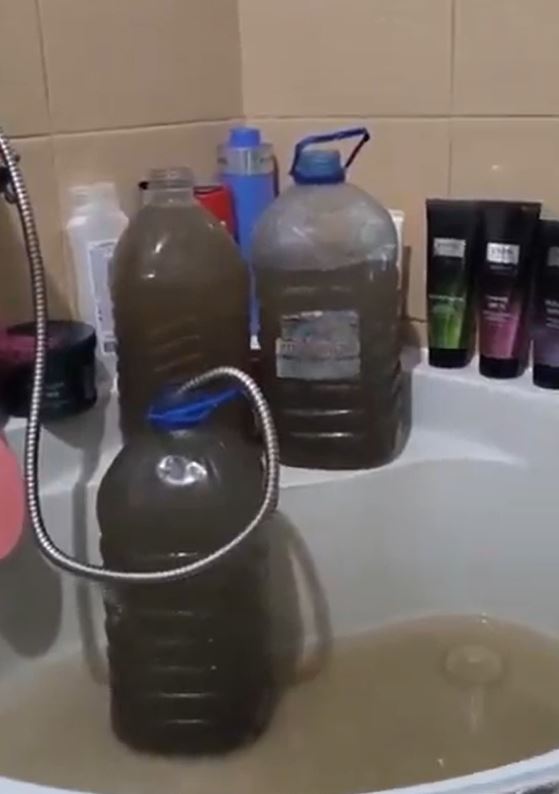

Russian occupiers tell Donetsk residents to drink toxic mine water as infrastructure collapses
Why mine water is dangerous
The hazards of Donbas mine water run deeper than contamination from decades-long industrial activity. Since 2014, occupation authorities flooded dozens of coal mines by simply shutting down pumping equipment without proper decommissioning — a process that changed water tables and contaminated local water bodies with heavy metals and other hazardous substances.
Among the flooded mines is the Yunkom mine in Yenakiieve, where the Soviet Union conducted an underground nuclear explosion in 1979. Occupation authorities halted pumping there in 2018, raising the risk that radioactive material could enter groundwater.
Read also
-
Russia bombed Ukraine’s dam, poisoned Moldova’s river — and now claims Ukraine did it with a fuel truck
-
Russia to connect occupied Mariupol and Donetsk via railway to encourage “tourism.” Evidence suggests other reasons.
-
2018
Fears of radioactive disaster as Russian proxies plan to flood nuclear test site in Donbas


