
Russian Railways moves 87% of Russia’s non-pipeline freight—coal, metals, construction materials, and grain. In 2025, it moved less of all of it than at any point since the global financial crisis. Freight volumes fell to 1.1 billion tons, a 16-year low. They have fallen continuously since Russia launched its full-scale invasion of Ukraine.
The annual accounts published this week put hard numbers on it.
Four years of war spending, Western sanctions, and record-high borrowing costs have hollowed out Russia’s civilian economy—and the annual accounts published this week put hard numbers on it. The company is selling Moscow landmarks to plug the gap.
A profit collapse, hidden inside rising revenue
Annual profit fell 22-fold in 2025—from 50.7 billion rubles ($624 million) to 2.2 billion rubles ($27 million). Revenue technically rose 10.4%—but only because the company raised tariffs.
A 1% emergency hike from March 2026 alone would generate an additional 22.3 billion rubles ($274 million), according to Reuters. Less freight moved. More was charged for moving it.
Sky-high interest rates—raised to contain the inflation that war spending fuels—meant debt service costs doubled.
To avoid posting an outright loss, the company slashed its investment program by 40% and took on nearly 800 billion rubles ($9.8 billion) in new debt, pushing total borrowings to a record 3.8 trillion rubles ($46.7 billion). Sky-high interest rates—raised to contain the inflation that war spending fuels—meant debt service costs doubled. Less investment in track, locomotives, and wagons means the decline will deepen.

Selling the furniture
The government declined to bail out the railway directly. The company had requested 200 billion rubles ($2.5 billion) from the National Wealth Fund, but received only 65 billion rubles ($800 million). Instead, the Kremlin approved a restructuring package including debt refinancing and a government-ordered asset sell-off.
Trending Now
The company would cut 6,000 employees—15% of its central management, including branch directors.
Items going to auction include a Moscow train station, a depot, and a skyscraper in the capital’s financial district. The company also plans to sell a 49% stake in its Federal Cargo Company subsidiary for 44 billion rubles ($541 million), targeting roughly 200 billion rubles ($2.5 billion) in total.
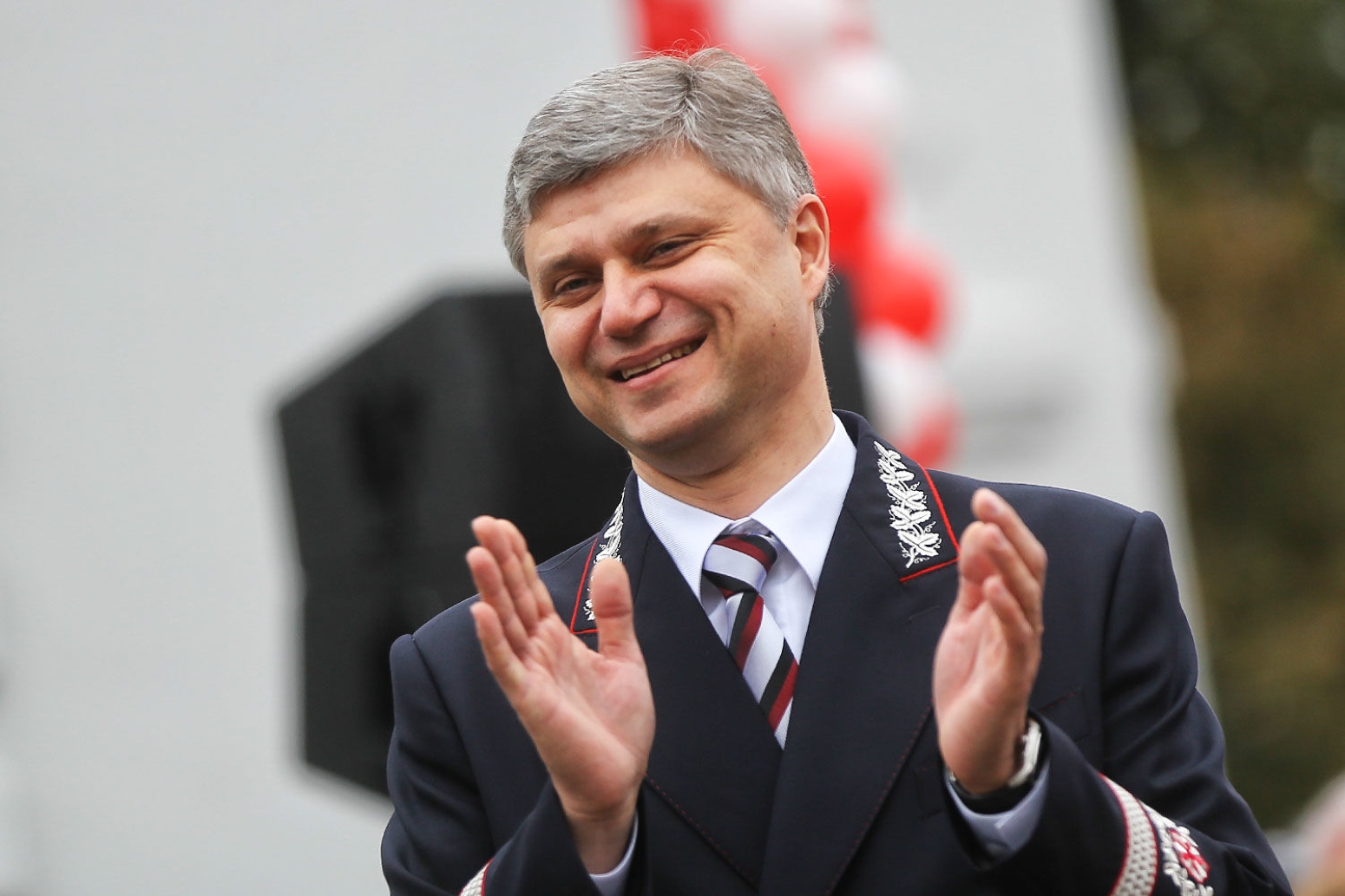
The CEO of Russian Railways, Oleg Belozyorov, told Interfax that the company would cut 6,000 employees—15% of its central management, including branch directors. A broader productivity program covering fuel, electricity, repairs, and organizational restructuring is targeting savings of 74 billion rubles ($910 million) in 2026. Some workers have already been moved to reduced hours without pay.
Kremlin-linked analysts confirm the decline
The findings are corroborated by TsMAKP, a Kremlin-linked economic research institute. Its March macroeconomic review found that orders for machinery and construction equipment had fallen to 83% of mid-2024 levels by January.
Business confidence among Russian manufacturers stayed negative for longer than at any point in recent years—longer than during the pandemic or the 2022 sanctions shock, TsMAKP noted. The cause was tight monetary policy combined with a stronger ruble, squeezing export revenues across civilian industries.
Non-military industrial output fell 2% across the three winter months of early 2026.
A February production note cited by Volodymyr Omelyan, a former Ukrainian infrastructure minister who tracks Russian economic data, put the numbers in sharper relief: Non-military industrial output fell 2% across the three winter months of early 2026.
Output of structural materials was running 10–25% below last year’s average. Machinery and equipment production in February stood at roughly 75% of 2024 levels.
These are the goods Russian Railways would be hauling. The company is now selling its offices to cover its debts, because there is less and less to carry.