

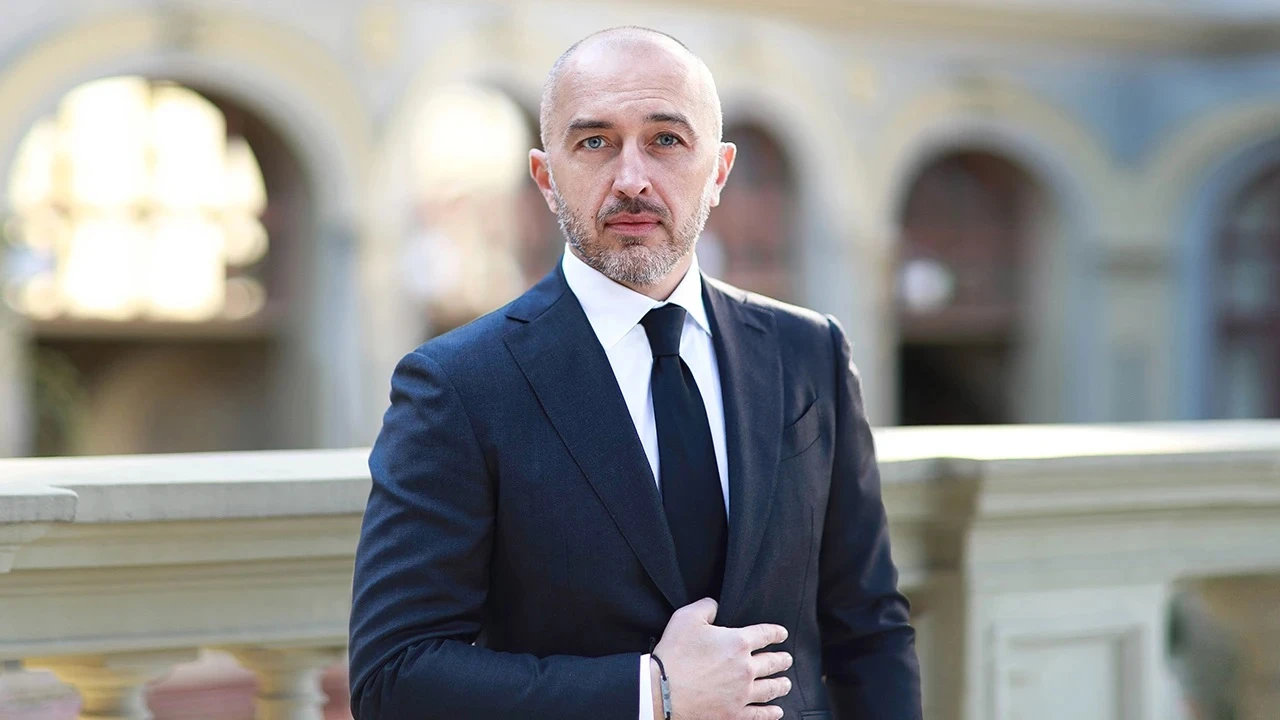
Ukraine currently has enough funds to cover its spending until June, Bloomberg reported on 27 March, citing domestic and foreign officials. After that, central bank governor Andriy Pyshnyi has warned his institution may have to resume direct lending to the Finance Ministry. That means printing money to pay soldiers’ salaries.
The wall from outside: Hungary, Slovakia, and a relay blockade
The European Parliament approved a €90 billion ($103.5 billion) EU loan in February. It was intended to cover roughly two-thirds of Ukraine’s financing needs for 2026–2027. It remains frozen.
Prime Minister Viktor Orbán is blocking it ahead of Hungary’s 12 April elections. His condition: Ukraine must restore Russian oil transit through the Druzhba pipeline, which a Russian drone strike severed in January. Orbán has built his entire reelection campaign around Ukraine as an adversary.
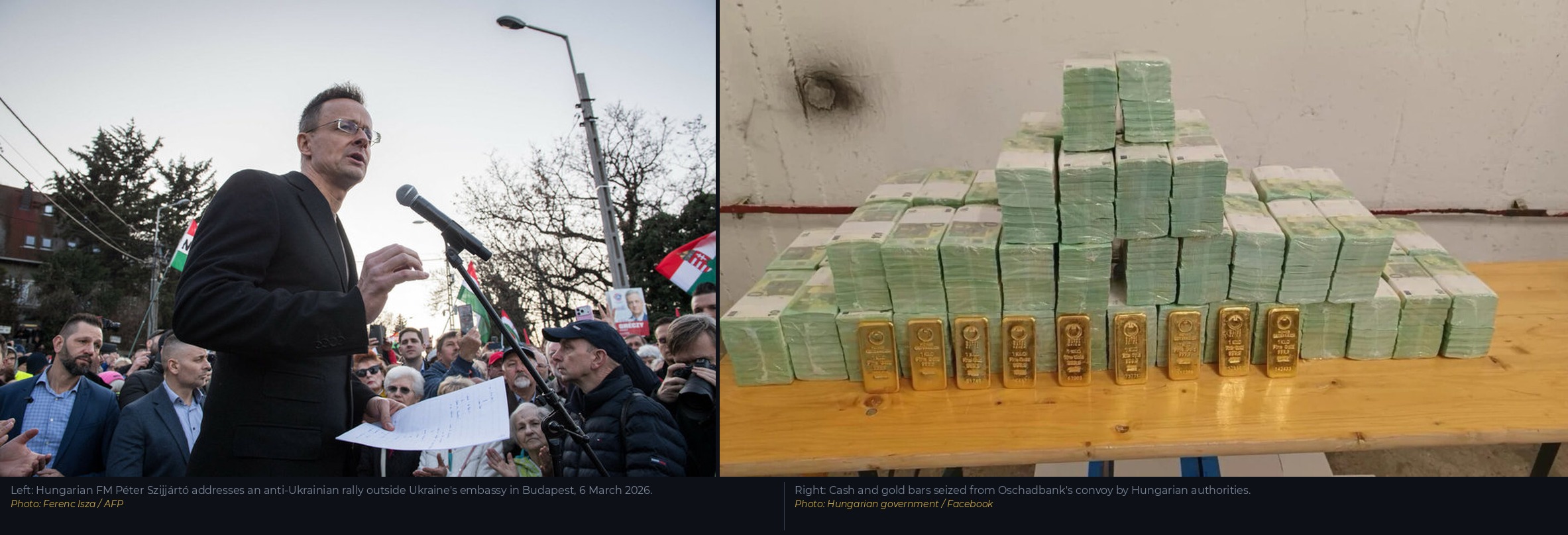
The relay mechanism is already set. Slovak Prime Minister Robert Fico has announced he would uphold the veto even if Orbán loses. There is no plan B before June. A source in the Ukrainian government told Ekonomichna Pravda that even if the veto were lifted today, the first EU funds would arrive at best in June—and there is no guarantee it will be lifted at all.
The wall from inside: a parliament that won’t vote
The IMF has a simple condition: pass the tax reforms or receive no further disbursements. Parliament has refused. Finance Minister Serhiy Marchenko split the required package into smaller pieces. VAT reform for small businesses was dropped entirely. It has not been enough.
“Some MPs are irritated that the Rada has to vote on unpopular decisions.”
The political logic was explained by a source in the ruling coalition to Ekonomichna Pravda: “Some MPs are irritated that the Rada has to vote on unpopular decisions while the government hands out money. And some say: we also want to hand out money.”
The third wall: the anti-corruption condition
The EU Facility has one non-negotiable governance condition: NABU and SAPO—Ukraine’s anti-corruption bureau and its specialist prosecutor—must stay independent.
“It’s unclear what will happen next.”
Trending Now
In mid-March, the Cabinet drafted a resolution that could have removed NABU director Semen Kryvonos. It was dropped without explanation. The last time the government moved against NABU—July 2025—the EU froze disbursements across the entire Ukraine Facility. Street protests forced a reversal within a week. “It’s unclear what will happen next,” a NABU source told Ukrainska Pravda.
The number
Ukraine’s own financial authorities estimate the country needs $52 billion in foreign assistance this year. Parliament finance committee chair Danylo Hetmantsev told Forbes Ukraine in February that “financial tragedy” was approaching: “I do sense it. The minister of finance does. Because by April there may be no funds left to cover expenditures.”
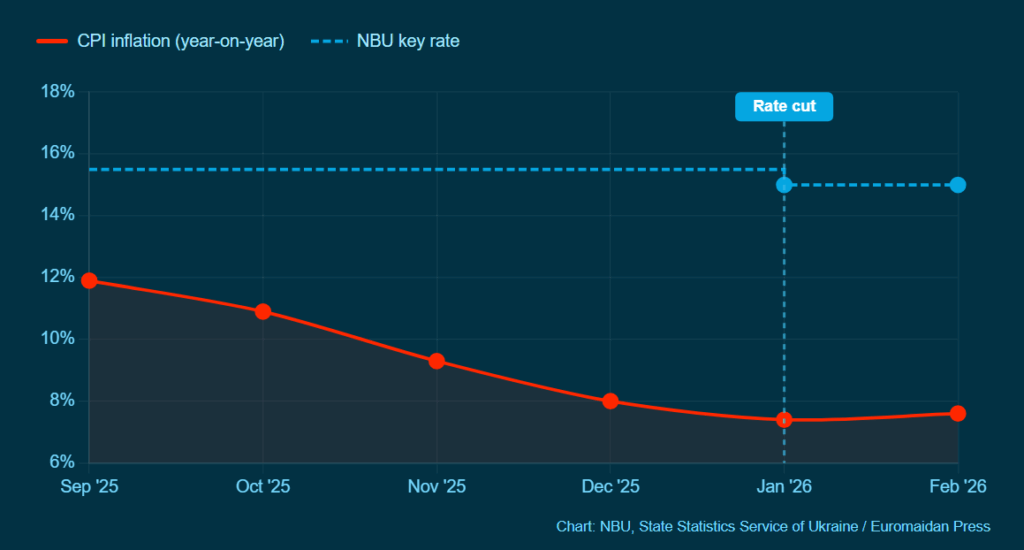
Seven of eleven committee members said interest rates may have to stay high through the end of 2026.
The National Bank of Ukraine’s monetary policy committee warned on 18 March that higher energy prices would expand Russia’s capacity to continue the war. It also flagged that Hormuz disruptions could push up Ukrainian food prices by choking fertilizer shipping. Seven of eleven committee members said interest rates may have to stay high through the end of 2026.
Commission President Ursula von der Leyen has said the EU will deliver the loan “one way or another.” There is currently no mechanism to do so before June.


