

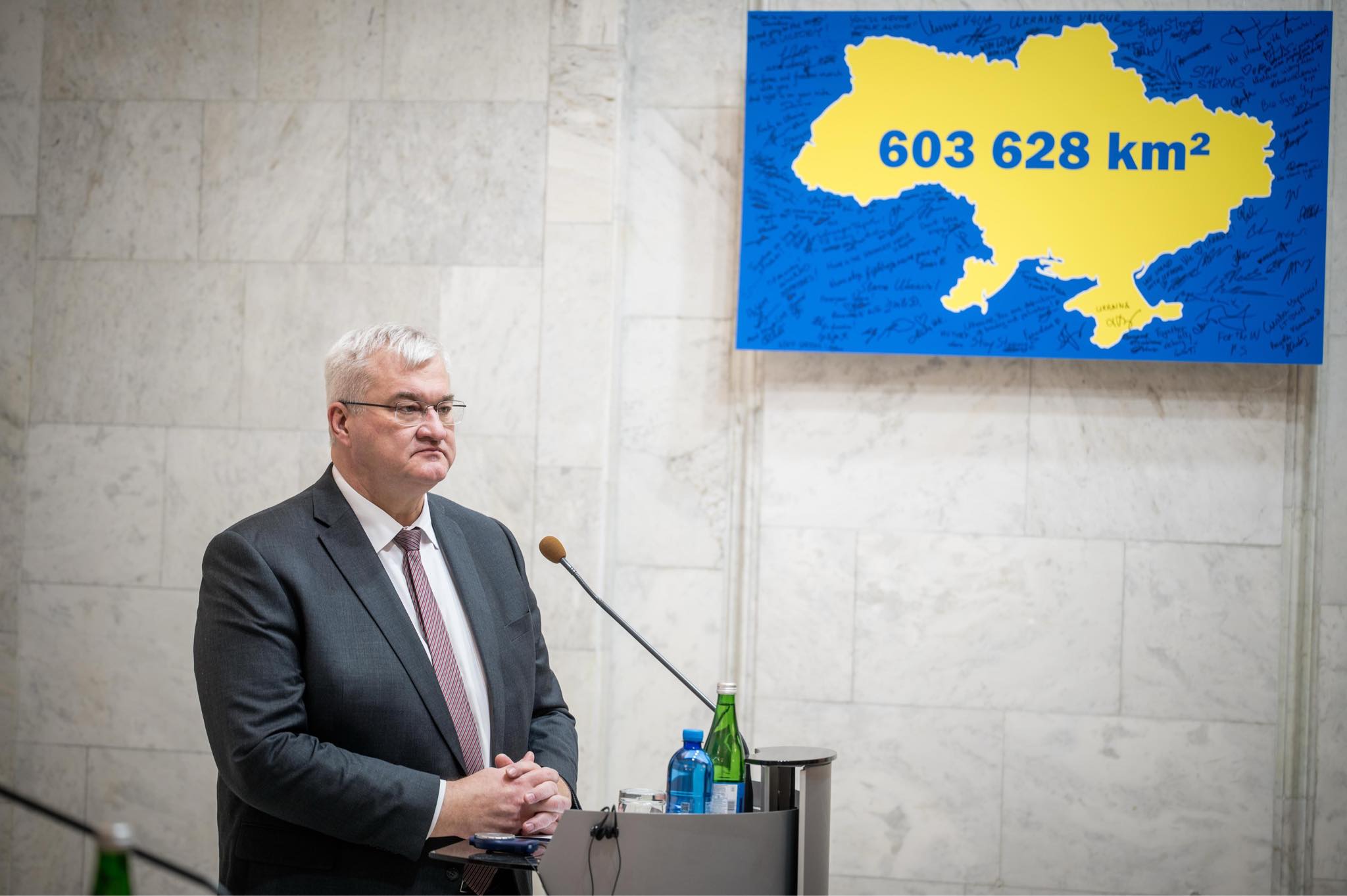
Ukraine has moved to terminate more than a hundred agreements linked to Russia, Belarus, and the Russia-led Commonwealth of Independent States (CIS), in what officials describe as a final step in dismantling remaining legal ties with Moscow.
Ukraine largely severed political, economic, and diplomatic relations with Russia after the start of the full-scale invasion in 2022. Since then, Kyiv has been working through legacy agreements dating back decades, and the latest measures are aimed at formally closing remaining legal gaps and removing outdated frameworks that no longer reflect wartime realities.
116 treaties to be terminated, denounced, or withdrawn from
Ukrainian Foreign Minister Andrii Sybiha said the government had approved a decision to withdraw from 116 international treaties, following an initiative by the Foreign Ministry.
According to Sybiha, Ukraine will terminate 25 agreements, denounce three, and withdraw from 88 others. These include five agreements with Russia, 23 with Belarus, 87 within the CIS framework, and one trilateral agreement involving all three.
Sybiha said the move is part of a broader effort to align Ukraine’s legal framework with the realities of the full-scale war and a shifting European security architecture. He described the process as “complex and systematic,” aimed at removing what he called the last legal links connecting Ukraine with the aggressor state and its allies.
Part of a broader process begun with presidential decrees
The decision follows earlier steps, including presidential decrees on February 25 to withdraw from 31 CIS agreements, as well as draft laws currently in parliament that would terminate an additional 74 treaties.
Together, Sybiha said, these measures effectively complete the main phase of revising Ukraine’s bilateral and multilateral legal framework with Russia, Belarus, and CIS structures.
Sybiha: Ukraine's borders are the border of international law
Sybiha said Ukraine’s policy is to eliminate any agreements that could weaken the country and to build a long-term strategic defense posture aligned with European security.
He added that Ukraine’s borders represent “the border of international law, freedom, and European civilization,” and said this principle should be reflected in its treaty base.


