

Hungary earns over $1 billion annually exporting gas to Ukraine. On 25 March, Prime Minister Viktor Orbán threatened to gradually cut it off—and Ukraine’s Foreign Ministry made clear who stands to lose.
The gas has not stopped yet. And if it does, the consequences would fall hardest on Budapest.
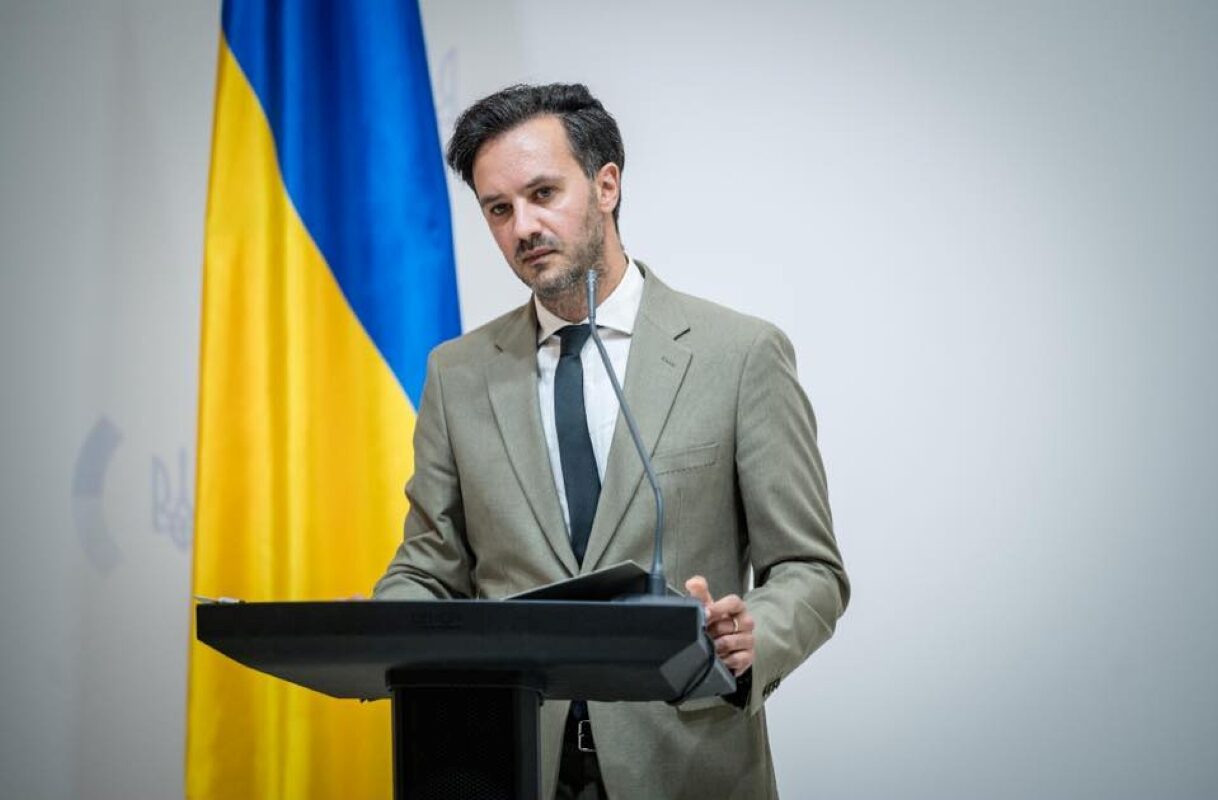
The gas has not stopped yet. And if it does, the consequences would fall hardest on Budapest, Foreign Ministry Spokesperson Heorhii Tykhyi said at a 25 March briefing.
A $1 billion lesson in leverage
“If Prime Minister Orbán decides to halt supplies, the only result will be depriving Hungary and its citizens of over $1 billion in annual revenue earned from gas exports to Ukraine,” Tykhyi stated.
Ukraine, meanwhile, has spent the past 14 months building four US LNG corridors through terminals in Poland, Germany, Lithuania, and Greece—routes that did not exist two years ago.
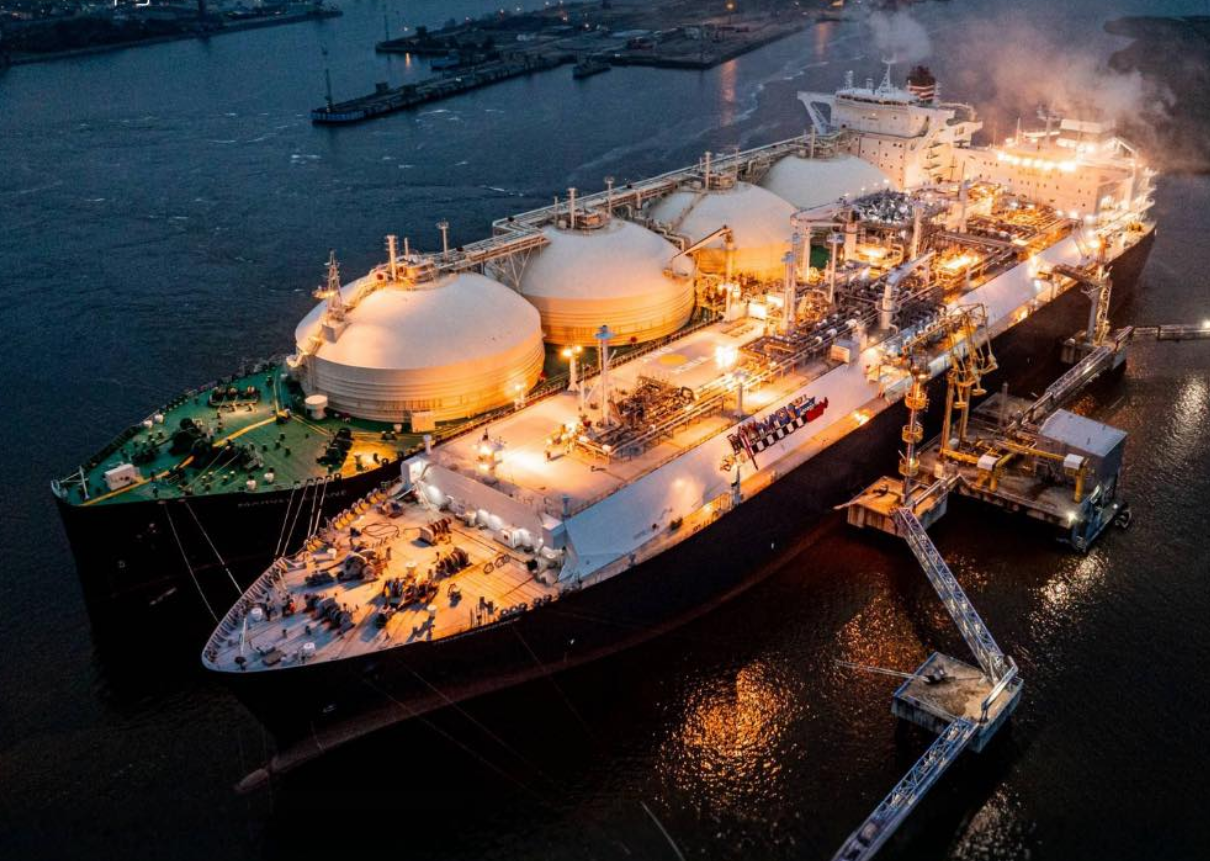
How did Ukraine build four US gas corridors in 14 months while under constant bombardment?
The Foreign Ministry holds maps of all gas interconnectors and transit routes, Tykhyi added. “We have prepared all necessary measures so that energy supply is stable and independent of political decisions of neighboring countries.”
Western gas, Western courts
Former head of Ukraine’s Gas Transmission System Operator Serhiy Makohon identified a second problem with the threat. Makohon told Liga.net that the gas Hungary and Slovakia transit largely belongs to Western energy traders—not Ukraine.
Druzhba shutdown “cannot be an argument for non-fulfillment of gas and electricity supply obligations.”
Trending Now
Any groundless blockage would expose both countries to multi-million dollar lawsuits from European companies. He also rejected Orbán’s central premise: the Druzhba shutdown “cannot be an argument for non-fulfillment of gas and electricity supply obligations—these are two completely different and unrelated issues.”

One strike, five weapons
The gas threat is the fifth economic weapon Budapest has deployed since Russia struck the Brody pumping station in Lviv Oblast on 27 January, halting Druzhba deliveries to Hungary and Slovakia. Orbán has accused Ukraine of running a deliberate 30-day blockade—a characterization Ukraine rejects, saying the damage is real and requires repair.
In February, Budapest suspended diesel exports to Ukraine. In early March, Hungarian authorities seized an Oschadbank convoy in Budapest, holding $40 million, €35 million, and 9 kilograms of gold—a total of $82 million that has not yet been returned.
Hungary’s parliamentary elections are scheduled for 12 April.
Budapest has also blocked a €90 billion ($104 billion) EU loan to Ukraine, placing an $8 billion IMF program at risk. On 25 March, Orbán added gas to the list—citing both the Druzhba dispute and Ukraine’s alleged strikes on Turkish Stream infrastructure as justification.
Hungary’s parliamentary elections are scheduled for 12 April. Péter Magyar’s TISZA party leads Fidesz 58–35 among decided voters.


