

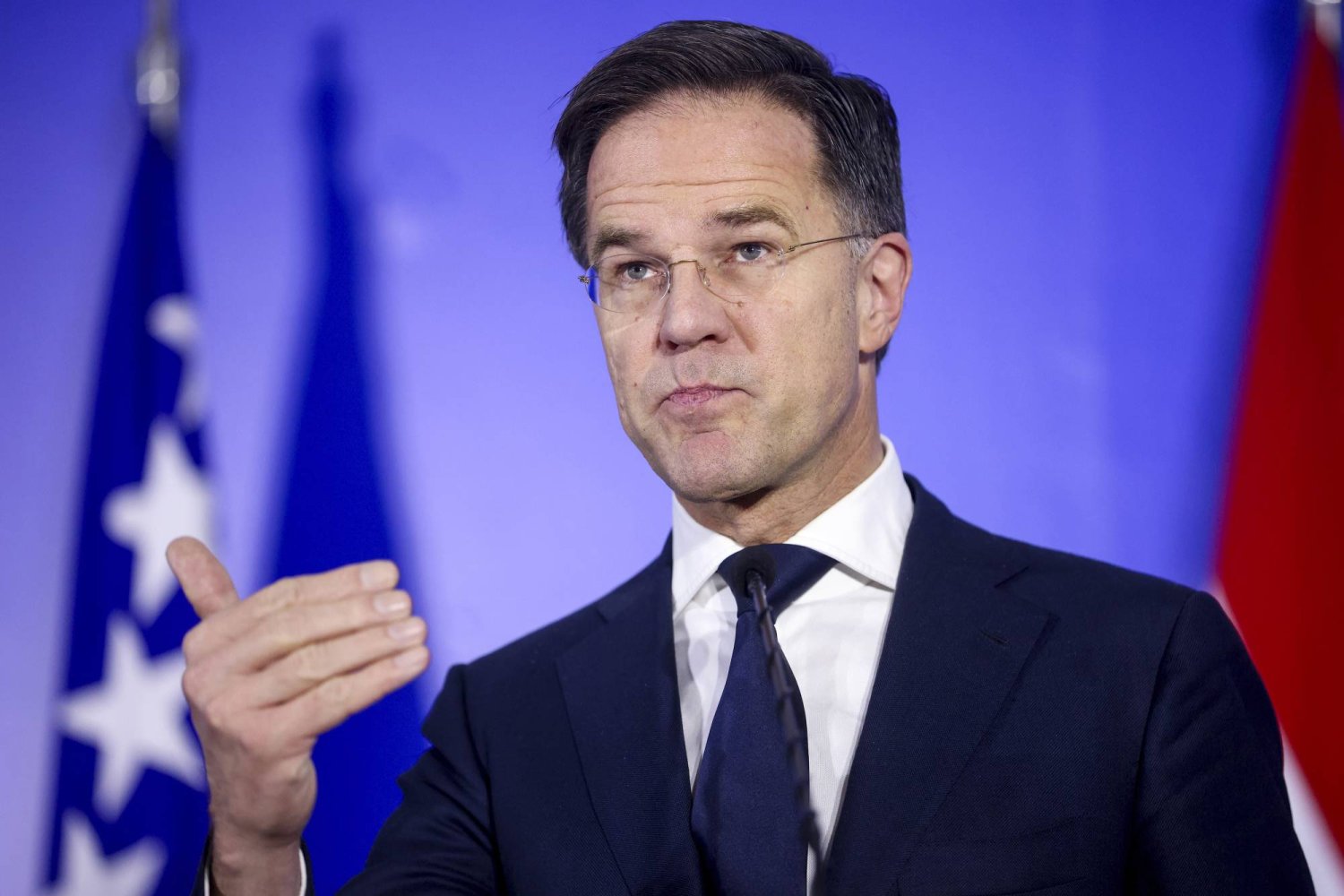
NATO Secretary General Mark Rutte's 2025 annual report, presented on 26 March, identifies energy infrastructure as a likely priority target in any Russian attack on the Alliance and outlines steps already underway to counter that threat, Radio Svoboda reports.
"Russia's military aggression against Ukraine has demonstrated that energy will likely also be one of the main targets in any attack against NATO," the report states, according to the outlet's Brussels correspondent. The Alliance is, in response, "identifying lessons learned from Ukraine while strengthening training, exercises, and coordination on the protection of critical energy infrastructure." A military exercise held in September is cited as having produced concrete understanding of what guaranteeing supply security requires.
Russia: the "most significant and direct threat"
The report reaffirms language used in previous years, designating Russia as "the most significant and direct threat to our security and to peace and stability in the Euro-Atlantic area." The Kremlin, it notes, has "continued to test the Alliance, acting ever more recklessly, including through airspace violations, sabotage, and malicious cyber activity."
Ukraine: long-term integration, not membership language
While the report does not directly address the prospect of Ukrainian NATO membership, it frames Alliance support in explicitly long-term terms. It is "important for the Alliance to continue providing Ukraine with the support it needs to defend itself today, while helping it be ready to deter any future Russian aggression tomorrow," the document reads, as cited by Radio Svoboda.
Beyond arms and training, the report outlines plans for "integration of Ukraine's defense industry into the industrial ecosystem of allies," including through investment and expanded cooperation.
Spending: 2% threshold crossed by all members for the first time
In 2025, European NATO members and Canada collectively spent $574 billion on defense — a 20% real-terms increase year-on-year. For the first time since the target was set in 2014, all 32 allies have reached the 2% of GDP benchmark.
Only two European members cut defense spending in real terms compared to 2024: the Czech Republic and Hungary. Poland leads the Alliance at 4.3% of GDP, followed by the Baltic states (3.4–4%), Denmark (3.3%), and Norway (3.2%). Belgium, Spain, Albania, and Canada sit at the 2% floor.
The United States remains the Alliance's dominant financial contributor, accounting for just over half of NATO's combined GDP and approximately 60% of total nominal defense spending.


