

War reaches deep into Russia. Aerial bombs fell where they hadn’t since World War II. Strategic facilities in the Leningrad Oblast were reportedly hit by bombs in the morning, according to the monitoring channel “Mykolaivskyi Vaniok".
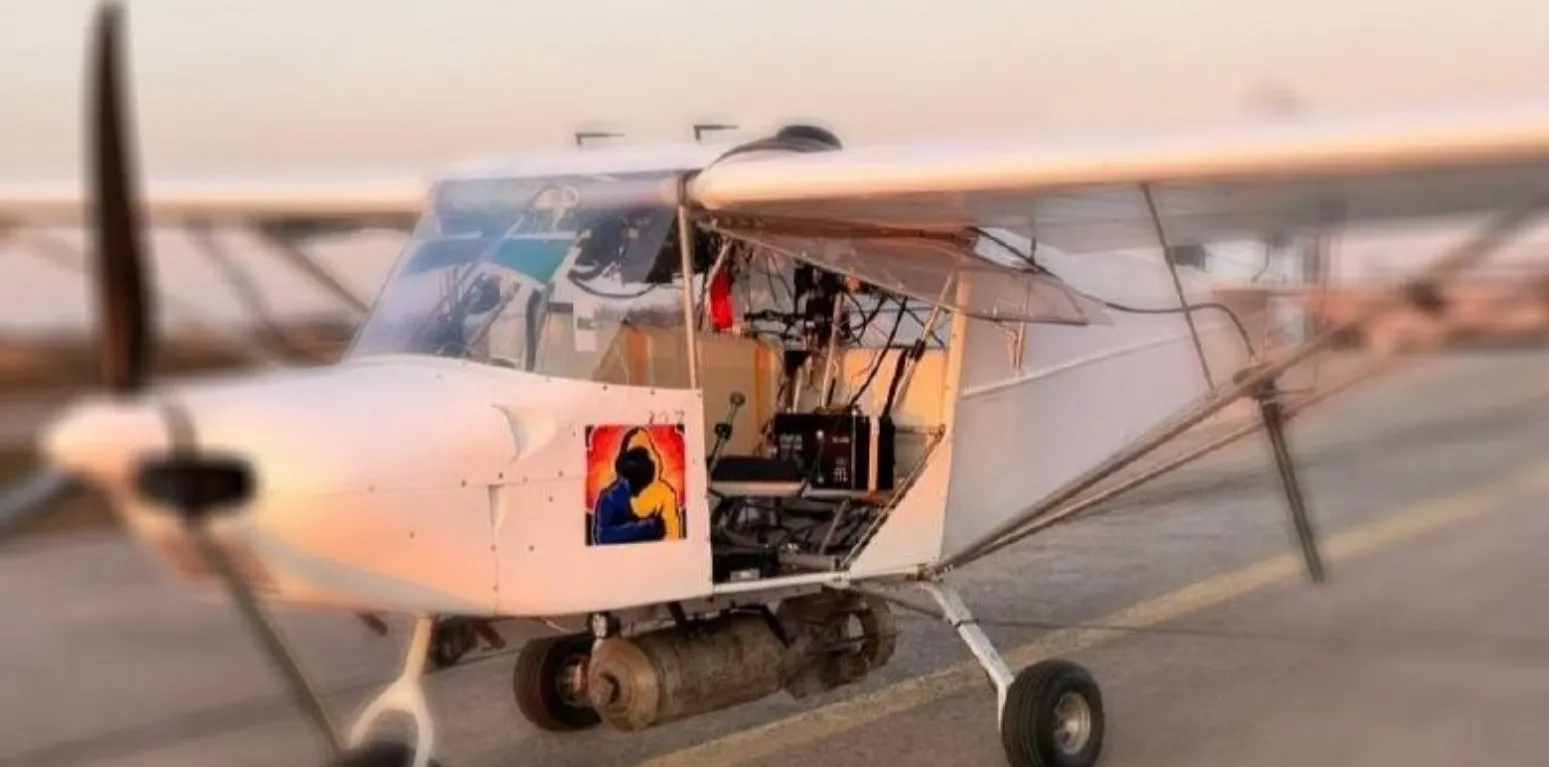
Spokesperson of the Ukrainian Volunteer Army, Serhii Bratchuk, noted that the bombs may have been dropped from light aircraft such as the Aeroprakt A-22 Foxbat.
“Aerial bombs fell on Leningrad Oblast for the first time since World War II. The ‘special military operation’ is going according to plan,” he emphasizes.
How light aircraft became long-range weapons
Back in 2025, Ukraine converted ultralight aircraft like the Aeroprakt A-22 Foxbat into long-range strike drones capable of hitting targets at distances of up to 1,600 km.
These systems reached military facilities deep inside Russia, including Tatarstan, Chechnya, and Dagestan.
They became part of Ukraine’s long-range strike strategy, developed amid Western restrictions on the use of missile weapons against targets inside Russia.
Modified aircraft such as the E-300 SkyRanger are also used for similar remotely piloted missions.
Bombs reshaping the war: Russia responds with mass strikes and technology
At the same time, Russia possesses a vast arsenal of aerial bombs, manufactured by 26 factories.
These weapons are systematically used to destroy populated areas, paving the way for offensive operations.
Glide bombs equipped with UMPK modules have significantly altered the nature of the war, while Ukraine continues searching for effective countermeasures.
Their widespread use began in late 2023.
The UMPK system effectively turns unguided Soviet-era bombs into precision-guided weapons, leveraging nearly unlimited stockpiles of legacy munitions.
Particularly dangerous are the FAB-3000 bombs — three-ton munitions capable of causing massive destruction, including in cities like Sumy.
According to NAKO, around 71% of the microelectronics used in UMPK systems originates from Western countries, highlighting the global dimension of this war.


