

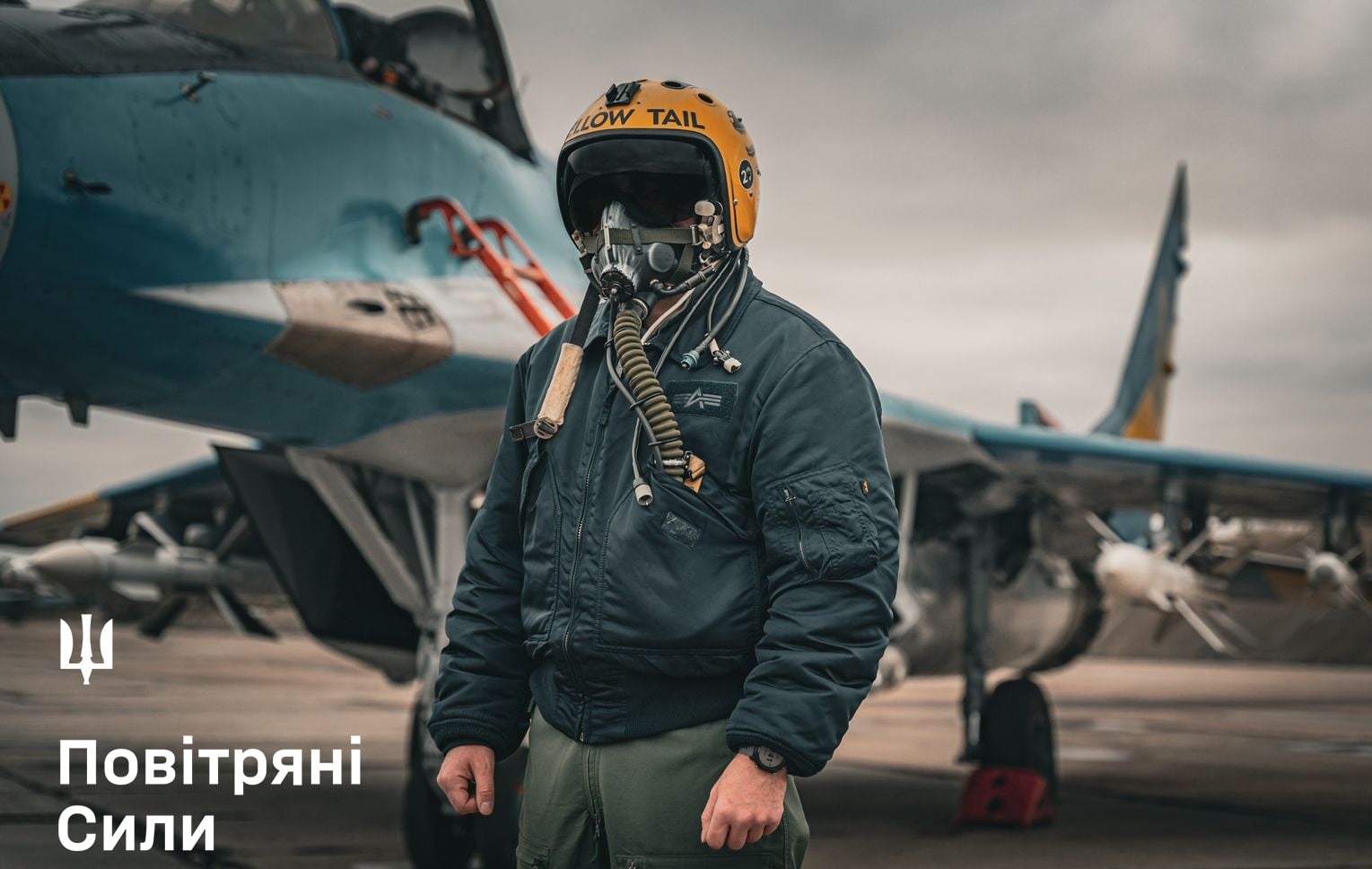
Ukraine's military pilots have warned that life-support flight equipment on MiG-29, Su-27, and L-39 aircraft is expiring faster than the aircraft themselves, raising safety concerns amid sustained combat operations, the Soniashnyk Telegram channel — closely linked to Ukrainian military aviators — reported on 18 March.
The gap between aircraft and life-support gear
Ukrainian military pilots flying MiG-29 and Su-27 fighters, as well as L-39 jet trainers, continue to rely on Soviet-era life-support systems.
"The service life of our flight equipment will expire sooner than the lifespan of the aircraft," Soniashnyk stated. "If someone is really planning to fight on MiGs until 2030, it would be good to provide flight personnel with new equipment, as this is important for carrying out daily missions."
The warning covers helmets, oxygen masks, and integrated communication systems — all critical for keeping a pilot alive and functional in the cockpit: they supply oxygen at altitude, absorb G-forces on the body, and maintain contact with ground control. The situation is particularly acute in training aviation brigades flying L-39 trainers, where the ZSh-3 helmet, ShL-82 leather flight headset, and KM-32 oxygen mask remain standard issue — all Soviet-era systems that long predate the MiG-29.
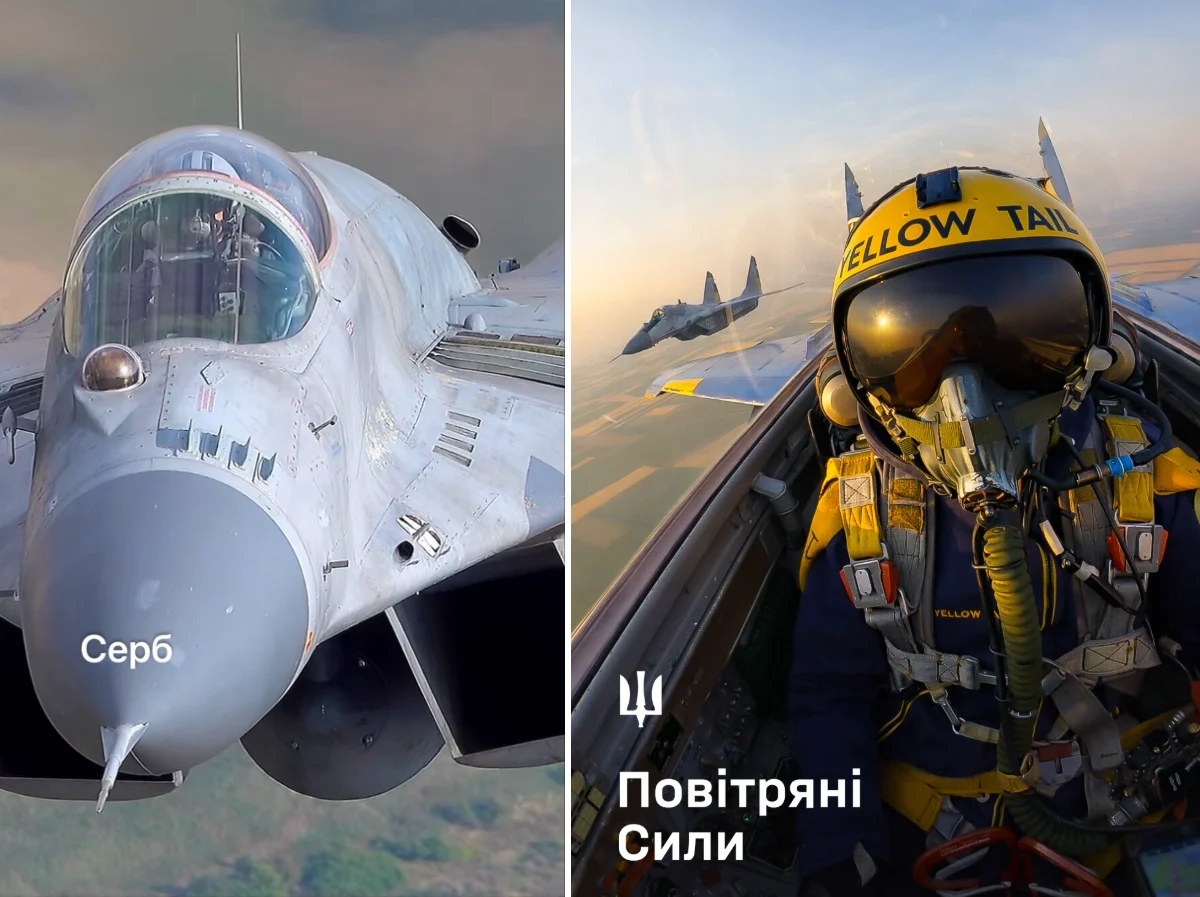
Serbia can. Ukraine in ten years couldn't.
Soniashnyk drew direct attention to a photo of Serbian Air Force MiG-29 pilots using modern oxygen masks and helmet systems — and asked why Serbia, which operates far fewer MiG-29s and faces no active war, succeeded where Ukraine has not in a decade of reform and four years of full-scale war.
"Serbs can, and we couldn't in ten years," the community wrote.
The comparison is particularly pointed given that Ukraine has been receiving additional MiG-29s from Poland to reinforce its fleet, with the aircraft taking on an increasingly important role conducting precision strikes with Western-adapted munitions alongside traditional air defense missions — making the reliability of pilot life-support gear a direct operational concern, not an administrative one.
The failed US donation and the certification barrier
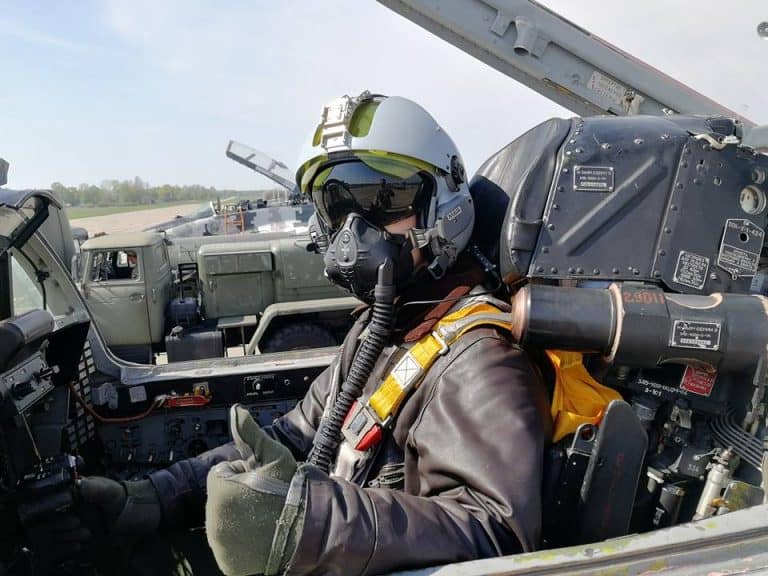
The problem has a documented history. A controversy reported in 2020 revealed that modern helmets and oxygen masks previously delivered by the California Air National Guard ultimately went unused in Ukraine. The gear never made it into cockpits: Ukrainian authorities determined it did not comply with national military standards, and the helmets were placed in storage.
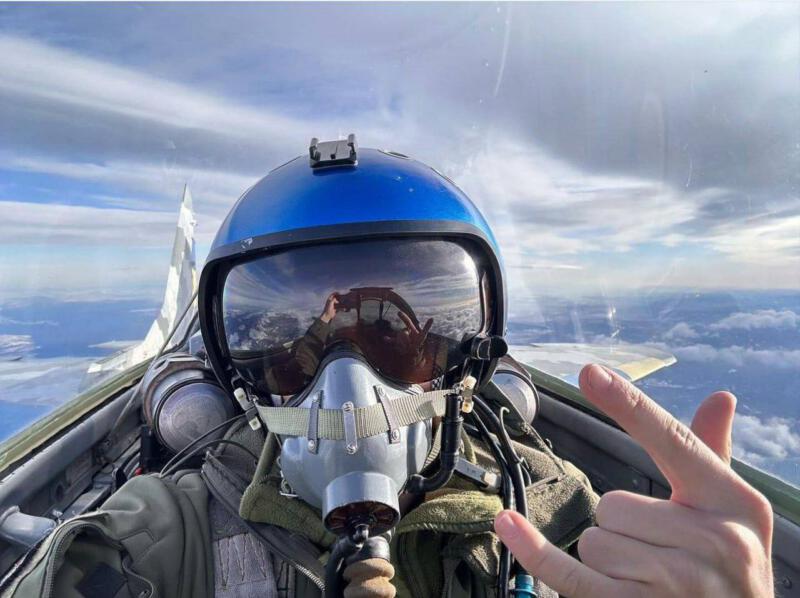
This compatibility requirement creates significant barriers to rapid modernization, even when equipment is available. The technical barrier is real: a helmet or oxygen mask designed for Western aircraft cannot simply be plugged into a Soviet cockpit — it needs engineering adaptation and formal certification before pilots can safely use it.
The only recent upgrade Soniashnyk described was a volunteer-procured ZSh-7 clone with a rubberized "European-style" oxygen mask — purchased in small numbers and transferred to pilots.
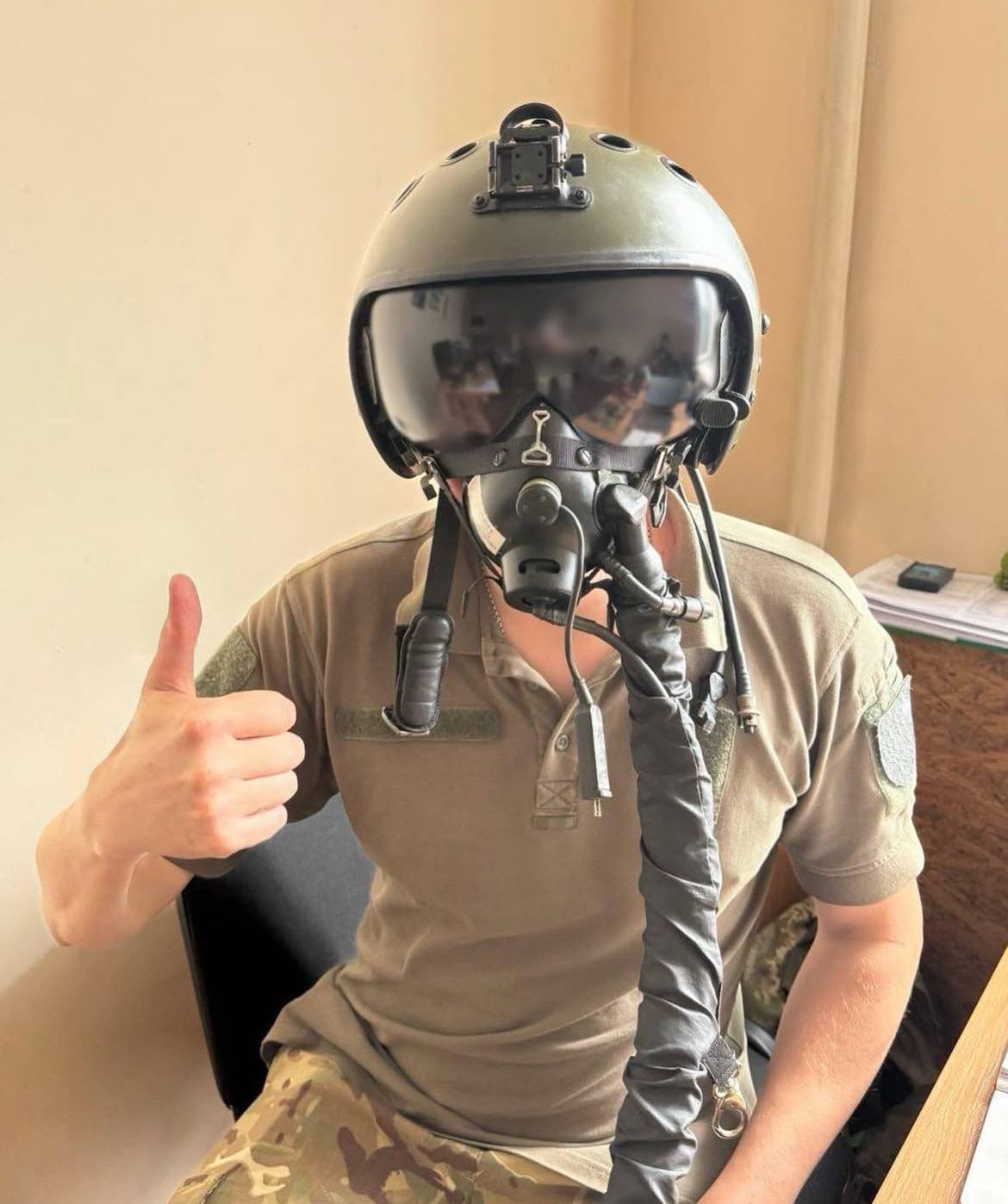
The community noted that the helmet is slightly heavier than the Soviet original, and the rubberized mask causes facial discomfort.
"A complete copy of the ZSh-7, with only some of its own developments — technically almost the same but a little heavier," it wrote at the time of the delivery.


