

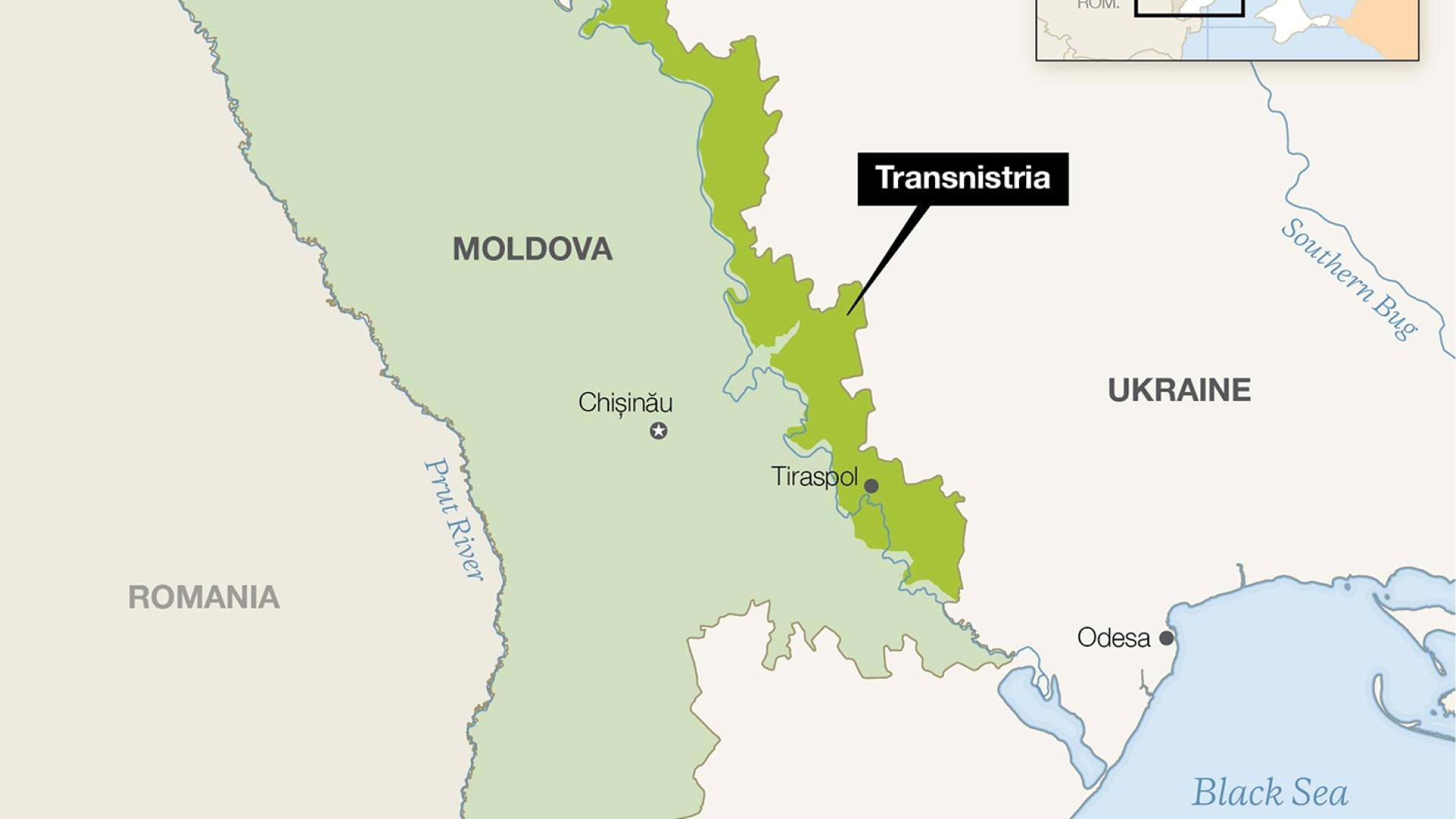
Moldova's government drafted a comprehensive plan for the reintegration of Russian-occupied Transnistria in February 2026 and presented it to Western partners in March — the first such government document since Moldova rejected the Russia-backed Kozak Plan in 2003, European Pravda reported. Deputy Prime Minister for Reintegration Valeriu Chiveri brought the non-paper to Brussels on 12–13 March, meeting European Commission Enlargement Commissioner Marta Kos and other EU officials.
What the plan proposes
The document, shared by European Pravda in Ukrainian translation, titled "Basic Approaches to the Process of Gradual Reintegration of the Transnistrian Region," centers on three main strategies. First, economic pressure: Chișinău plans to impose uniform Moldovan fiscal, customs, and trade rules across all of Moldova's territory unilaterally, without Tiraspol's agreement. A "convergence fund" financed by national and international contributions would offset the economic burden on Transnistrian businesses — but only in exchange for political concessions, including the reopening of Romanian-language schools and guarantees of free movement and human rights.
Second, the plan proposes a temporary international civilian administration to replace the Russian-backed separatist structures during a transition period, after which governance would transfer gradually to Chișinău. The document offers no safeguard against Russian participation in this transitional body.
Third, Moldova proposes joining the EU without waiting for Transnistria to be fully reintegrated — with EU law in the Russian-controlled region suspended "for a defined period" after accession, to prevent Russia from using the conflict to veto Moldova's European path.
The plan also declares, for the first time, that Transnistria will receive no status at all within a reunified Moldova — neither special nor ordinary.
What the plan cannot do
The document openly acknowledges that Chișinău has no tools to force Russia to withdraw its troops illegally stationed in Transnistria and calls on European and transatlantic partners to apply international pressure for demilitarization. It also notes that a just peace settlement in Ukraine "could create conditions favorable" for Russian troop withdrawal — tying Moldova's territorial integrity to Ukraine's war outcome.
In 2024, Chișinău cancelled decades-old tax exemptions for left-bank businesses. Tiraspol protested — but businesses complied, because Transnistria has no other trade route since Ukraine's border with the region has been closed since February 2022, and Russia cannot rotate troops or supply the region by air.
The non-paper is not official government policy and remains subject to change. It exists only in English, written for Western partners, not for the domestic Moldovan debate. The EU has been pushing for Russian troop withdrawal from Transnistria as part of broader European security demands.
Read also
-
Russia bombed Ukraine’s dam, poisoned Moldova’s river — and now claims Ukraine did it with a fuel truck
-
Russia offered $100,000 per kill: Joint Ukrainian-Moldovan operation dismantles assassination network targeting public figures
-
EU wants Russia to hold free elections and withdraw troops from Belarus, Georgia, Armenia, and Transnistria— as part of a Ukraine peace deal, leaked paper shows


