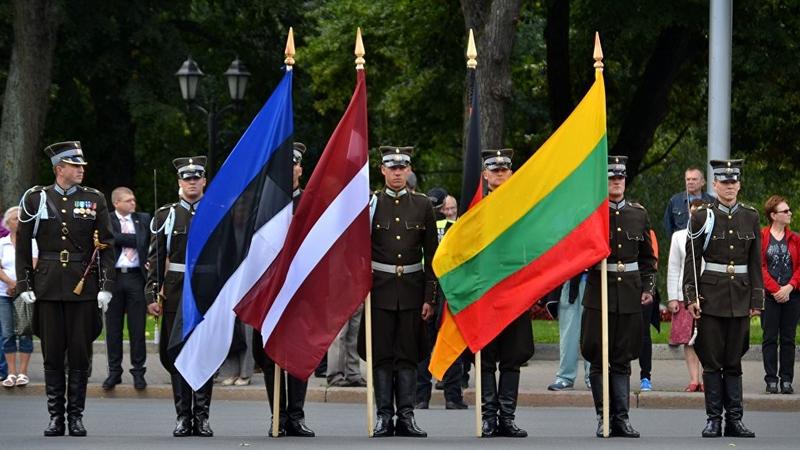
Russia plans a lightning-fast occupation of the Baltics, exploiting NATO bureaucracy and energy and communications disruptions. According to Yegor Brailian, the associate Professor at Luhansk National University, Russia can consider hybrid attacks on energy and communications, without an open invasion at the first stage of the war, as per Priamii.
Particular attention can be focused on provocations in border areas, especially in the city of Narva. This border city has a population of 50,000, about 90% of whom are Russian-speaking.
“Russia could already seize Estonia there within a few days,” warns the analyst.
However, he expresses doubt that NATO allies would reach a consensus on a response before the territory could be occupied.
Kremlin coordinates actions with China’s ambitions regarding Taiwan
The analyst explains that Moscow’s strategy aligns with Beijing’s plans for Taiwan in 2027.
Russian President Vladimir Putin aims to deepen global chaos, restore lost political influence, and test NATO’s weak points.
Meanwhile, Estonia has established a territorial defense system, integrating the male population into paramilitary structures to serve as a trained reserve.
Russia increases ammunition production
Estonian intelligence reports that in 2025, Russia increased ammunition production in preparation for a new offensive operation outside Ukraine.
The Center for Countering Disinformation notes that Russia is using diplomatic facilities in Vienna to conduct radio-technical intelligence. At least eight antennas have been installed on the roof of the Russian embassy, including one that can intercept signals not intended for Russian use.
Read also
-
“Safe Moscow” is no more – drone strikes are eroding the sense of security felt in Russia’s capital, SBU unit says
-
UK to fund 150,000 Ukrainian-made drones and 350 air defense missiles in £752 million package funded by Russian assets
-
Ukraine, Germany to jointly develop anti-ballistic air defense system amid increased attacks