


Ukraine's state-owned Oschadbank has launched a two-track international legal campaign to recover assets still held in Hungary after the 5 March convoy seizure, the bank stated. The seven detained employees have returned home, but the vehicles and their full cargo remain in Hungarian custody. Simultaneously, Russian-linked bot networks flooded Hungarian social media with AI-generated disinformation to frame the seizure in Orbán's favor.
Oschadbank's two legal tracks
The bank is pursuing two parallel actions, its statement confirmed.
The first targets the rights violations against its staff. Hungary's migration service imposed restrictive measures on the seven employees and held them for over 24 hours without access to legal assistance or consular support. Oschadbank will challenge those measures and examine the full circumstances of the detention.

Hungary abducts Ukrainian state bank employees along with cash-in-transit vehicles amid pressure over Russian oil
The second track targets the assets. The bank is taking formal legal steps to recover two armored cash-in-transit vehicles, $40 million, €35 million, and 9 kg of banking gold. To support its legal position, it will commission an independent audit from a leading international firm covering all processes and contractual relations between every party involved in the transfer. The full documentation has been submitted to the National Bank of Ukraine.
Oschadbank stated it is "absolutely certain" its actions were lawful.
The convoy was routine and fully documented
The transport operated under a valid international agreement between Oschadbank and Raiffeisen Bank Austria, the statement says. All cargo was documented in compliance with international transport rules and European customs procedures. Oschadbank holds a valid international transport license issued by Ukraine's State Service for Transport Safety.

Hungary releases Ukrainian bank couriers after Kyiv calls detention “hostage-taking” and threatens sanctions
During the full-scale war, Ukrainian banks conduct cash transfers exclusively by land — on average weekly, according to the bank. The seven-person crew included staff with between 3 and 21 years of service at the bank. The deputy director of Oschadbank's cash collection department led the convoy. The money being transported from Vienna to Kyiv belonged to Oschadbank, entrusted to it by Ukrainian citizens and businesses, and was destined to replenish domestic cash circulation.
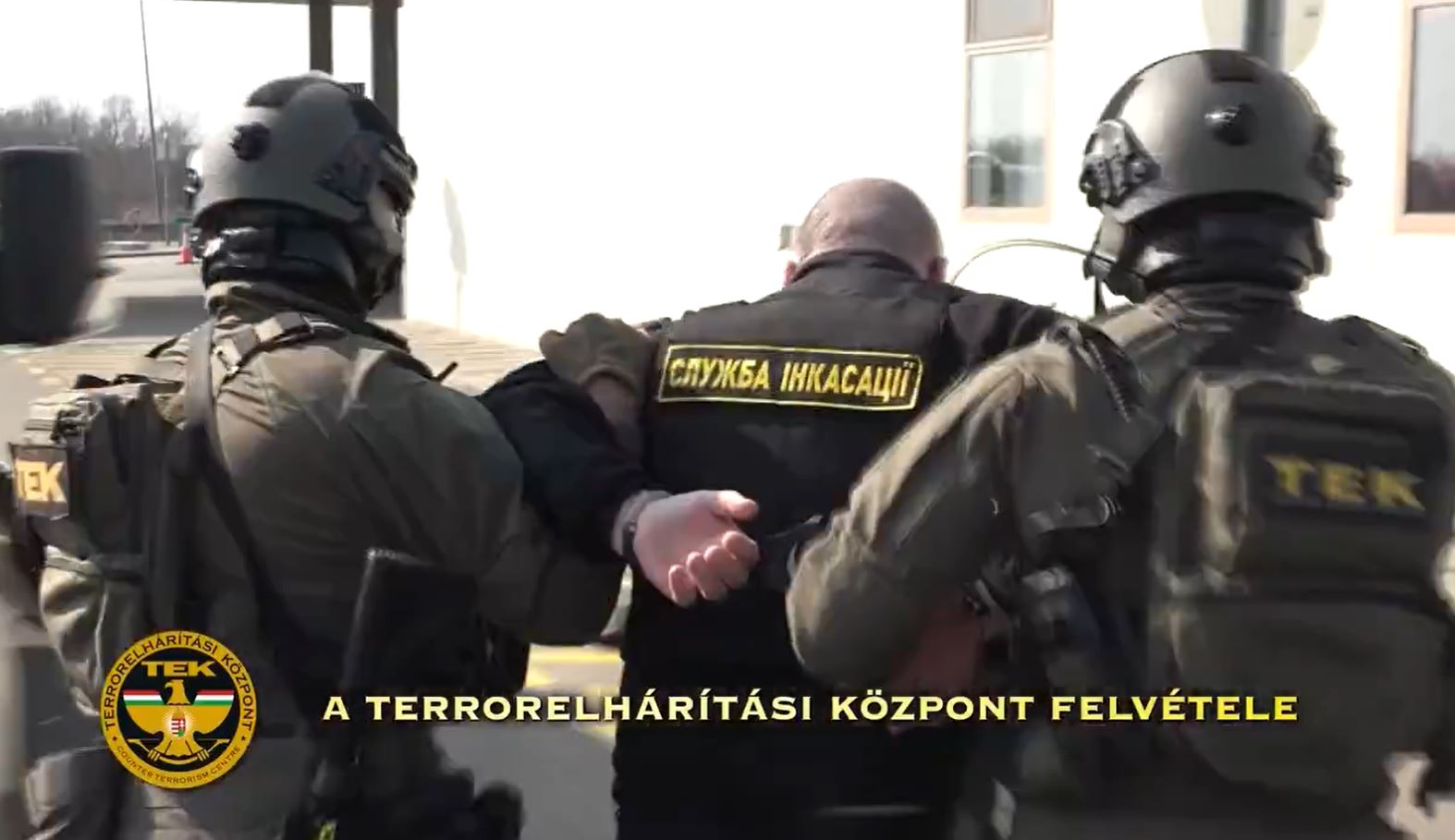
The incident occurred on 5 March, when Hungary's Counter-Terrorism Centre (TEK) — a force under the Interior Ministry regularly deployed for government political operations — intercepted the convoy and hid the vehicles on TEK's closed compound. Budapest then released the seven employees on the evening of 6 March, but the vehicles and valuables remain in Hungary.
Trending Now
Russia deploys election bots to justify the robbery
Within hours of the seizure, Russia launched a disinformation campaign in Hungary using AI-generated images to discredit Ukraine, Militarnyi reported.
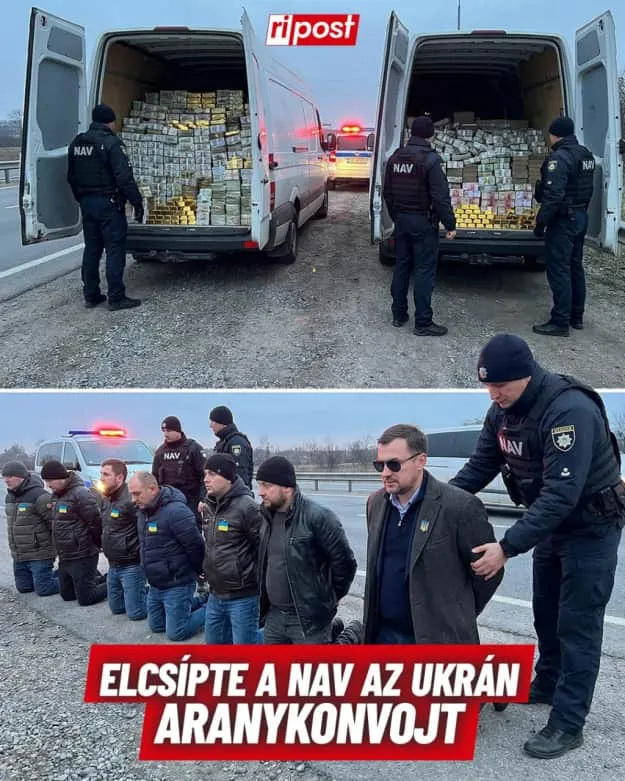
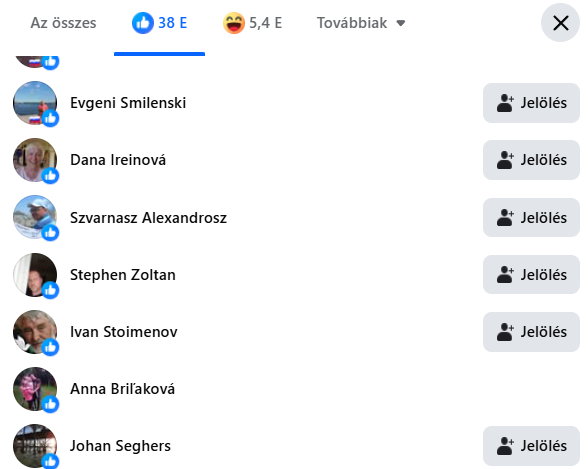
Ripost — a tabloid controlled and funded by Orbán's Fidesz party — published the fabricated images. Hungarian factcheckers Vastagbőr found that the post accumulated 48,000 reactions — against Ripost's typical 10 to 200 — with 99% identified as bots.
"The majority have Romanian or Moldovan names — so the Russians are reusing fake profiles created to influence the Moldovan election," the factcheckers noted.
The operation is part of a broader Kremlin effort. Investigative journalists working alongside European security services established that Russian ruler Vladimir Putin tasked political strategists and Russia's military intelligence with interfering in Hungary's April parliamentary elections to secure Orbán's victory. Putin assigned the operation to Sergei Kiriyenko, first deputy head of the presidential administration — the architect of Russia's political influence infrastructure at home and abroad. Kiriyenko ran Russia's 2024 interference in Moldova's presidential election, deploying vote-buying networks, troll farms, and local activists against pro-Western President Maia Sandu.
Hungarian opposition leader Péter Magyar has also accused Orbán of inviting Russian military intelligence into Hungary to shape the April vote.


