
Ukrainian attitude toward the Iranian regime has been shaped by 57,000 Shaheds sent to Russia for its war against Ukraine. Such drones are an exceptional terrorist weapon, says prominent Ukrainian war correspondent Andrii Tsaplienko.
On 28 February 2026, the US and Israel announced the start of a large-scale joint operation against the Iranian regime. President Donald Trump confirmed airstrikes on Tehran, stressing that the war is being waged against the ruling elite, not the population.
For Ukrainian society, this is not geopolitics but a matter of justice and security, but a response to terror that for years arrived bearing Iranian markings.
“Terrorist weapons came into our apartments”
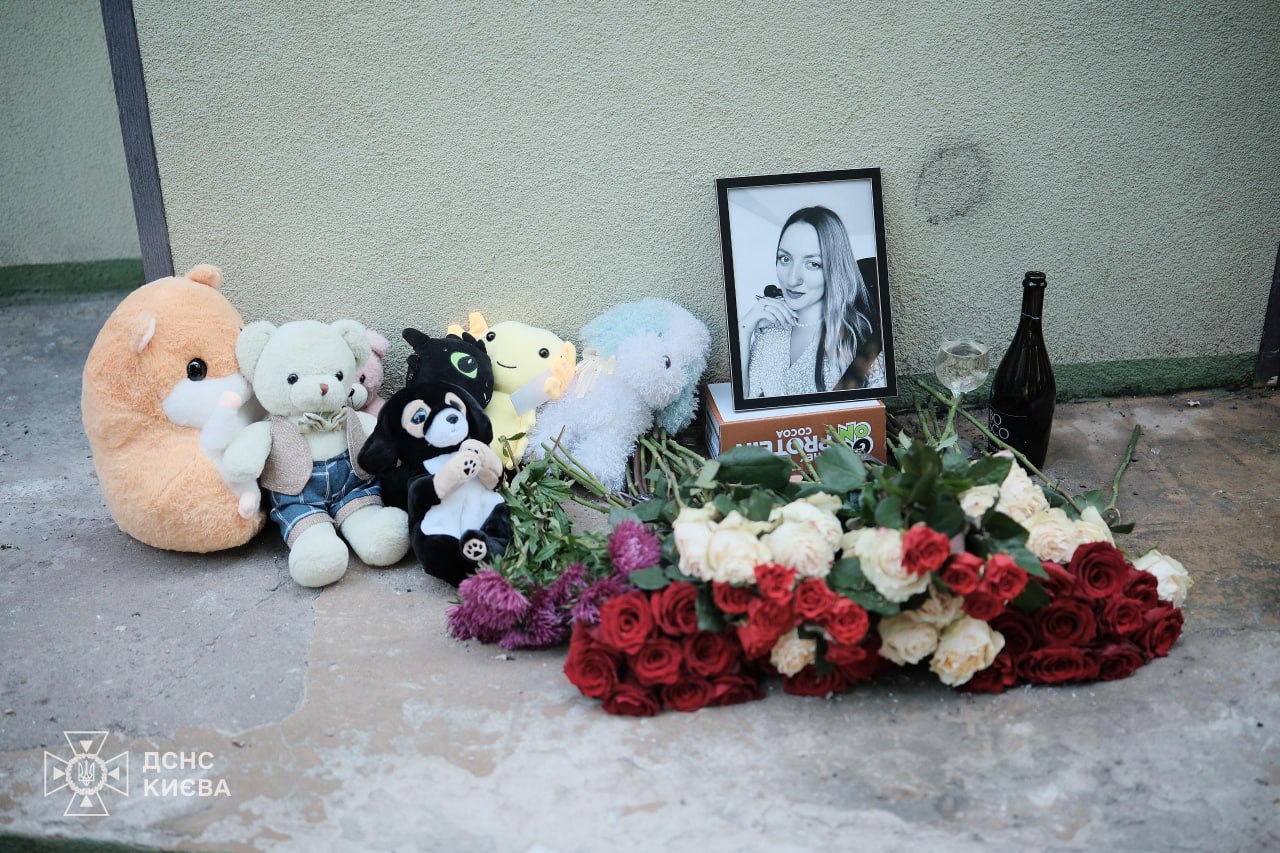
On the night of 7 September 2025, Tsaplienko was in one of the apartments when an Iranian Shahed, or its Russian copy Geran, left his relatives without a roof over their heads and took the lives of four of their neighbors.
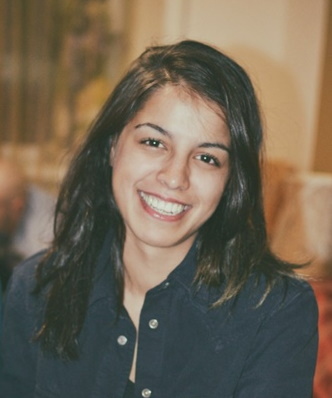
The journalist recalls that a “Shahed” drone pierced straight through Vika Hrebeniuk’s apartment, with the blast wave throwing her and her two-month-old son, Roman, outside.
"Edik was crushed by concrete slabs and could not be saved. Pregnant Tetiana Sakiian suffered 95% burns: doctors fought for the lives of mother and child, but Tetiana died," he says.
There were no military targets near the building, he adds.
“We do not wish such suffering on the Iranian people. But accomplices to Russian crimes in Iran must be held accountable,” the journalist emphasizes.
"They chose to be Putin’s accomplices themselves"
President Volodymyr Zelenskyy has already issued an official Kyiv's position on the war.
"Although Ukrainians never threatened Iran, the Iranian regime itself chose to be an accomplice to Putin and supplied ‘Shaheds’, not only drones, but technologies," he stresses.
Ukraine has publicly supported the idea of “giving the Iranian people a chance to rid themselves of a terrorist regime” and guaranteeing security for all peoples who have suffered from terror with Iranian roots.
At the same time, Kyiv has urged preserving as many lives as possible and preventing the war from expanding.


