

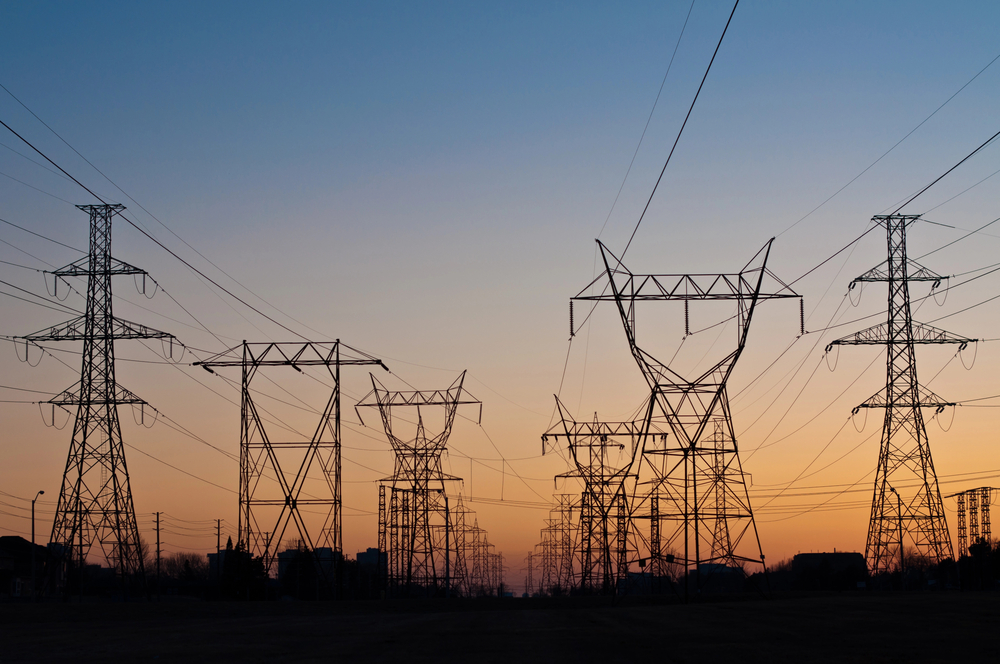
Security officials across the Nordic region raised the alarm on 26 February after a serious threat to energy infrastructure emerged. Swedish broadcaster TV4 Nyheterna—one of Sweden's largest commercial news outlets—broke the story. The actor behind the Nordic energy infrastructure threat is believed to be linked to a foreign power.
As a result, multiple authorities and police units across the region went on alert. Swedish officers received sharp orders to monitor critical energy facilities. The threat actor reportedly set a deadline before striking. "According to the threat, the actor may strike in the near future," an informant told TV4 Nyheterna. The nature and timing of the potential attack remain unknown.
Sweden's National Defence Radio Agency (FRA), which leads the country's signals intelligence, confirmed it had urged the energy sector to boost vigilance. "Poland was subjected to attacks in its energy sector at the end of December," FRA's Ola Billger told reporters. He also advised energy operators to study a Polish government report on the cyberattack.
The Swedish Security Service (Säpo) declined to elaborate. Later that day, however, officials walked the language back. They described the alert as a response to a "generally heightened threat image" rather than a specific imminent attack. Nordic governments, in other words, are threading a needle between transparency and operational security.
"According to the threat, the actor may strike in the near future." —Informant, TV4 Nyheterna
Nordic energy infrastructure threat echoes Poland's December crisis
The trigger was concrete. In late December 2025, Russian hackers launched the most serious cyberattack to date on Poland's energy infrastructure. The attack hit 30 renewable energy facilities and a cogeneration plant serving nearly 500,000 customers. Poland came "very close" to power outages, Deputy Prime Minister Krzysztof Gawkowski said. Investigators traced the attacks to a Russian intelligence-linked hacking cluster. Crucially, the malware was designed to irreversibly destroy data—an escalation from surveillance to sabotage.
For Nordic grid operators, the attack was a warning shot. The Nordic power grid is deeply integrated, so a disruption in one country cascades across the entire region.
Russia's infrastructure war reaches Scandinavia
This alert fits into a broader pattern—one that retired Lt. Gen. Ben Hodges, former commander of US Army Europe, told Euromaidan Press Europe keeps getting wrong. "The Russians are already at war with us," Hodges said. "They just do it in a way that makes it difficult for politicians to say, 'This is the Russians.'"
Trending Now
"The Russians are already at war with us. They just do it in a way that makes it difficult for politicians to say, 'This is the Russians.'" —Lt. Gen. Ben Hodges (ret.)
The evidence, moreover, stretches continent-wide. A CSIS database found that sabotage attacks in Europe nearly tripled between 2023 and 2024—from 12 to 34. In November 2025, Poland deployed 10,000 troops after a rail explosion damaged a key Ukraine supply route. Meanwhile, eleven undersea cables in the Baltic have been damaged since 2023, with Russian-linked vessels repeatedly implicated. The Munich Security Report 2026 documented a sharp spike in these hybrid attacks since September 2025. They span sabotage, arson, cyberattacks, and drone incursions—all designed to remain deniable while exerting maximum pressure.
As Euromaidan Press detailed in a companion analysis, the campaign serves a dual purpose. It is both probing NATO's infrastructure for a potential future conflict and pressuring European publics to abandon support for Ukraine. The Nordic nations are no longer watching from the periphery..
Read also
-
Ben Hodges: stop treating Russian sabotage like a crime scene
-
Enter the “gray zone”: Russia is already at war with Europe. Germany’s wargame missed it
-
Russia nearly shut down Poland’s power grid in December cyberattack, minister confirms
-
Poland traces December cyberattacks on 30 energy sites to Russian spy agency
-
Two Baltic cables hit in days—Russia’s sabotage war ramps up underwater


