
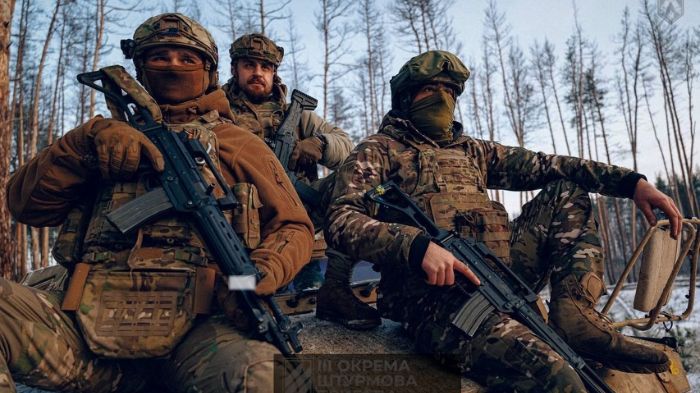
Actually, the war didn't start four years ago. It crossed the 13-year mark, beginning with the occupation of Crimea. Russia's goal is not territory or money. It is the destruction of Ukraine as a sovereign state, and, if not by military conquest, then political control over Europe.
In February 2026, a Ukrainian battalion combat medic posting under the name @hy_is_liya posed a question to Ukrainian service members on the social network Threads: "Ladies and gentlemen of the military, is there something that broke your heart in service?" Dozens of soldiers, veterans, volunteers, and military families responded.
Most of these soldiers were ordinary people who picked up weapons, learned to shoot, and now outperform NATO-trained forces on the training grounds. While the world pays in money, Ukrainians pay in lives, and no one is willing to officially stand shoulder to shoulder with them on the front line. When people say supporting Ukraine is "too expensive" or that the country is "ungrateful," below are the stories of HOW Ukrainians pay for their freedom.
Animals: when compassion becomes a death sentence
On the front line, compassion for animals often becomes a danger to life. War forces soldiers to shoot the defenseless.
There are many animals near positions, as people are forced to abandon their homes in seconds. Evacuations happen in a rush: birds, pigs, dogs, and cats are left behind. The animals try to attach themselves to people, not understanding what war is or why being close is dangerous.
The medic @hy_is_liya started by sharing her own pain. She says the hardest thing for her is "having to shoot animals on positions, because they reveal your location, so it's either you kill them, or they kill you through them."
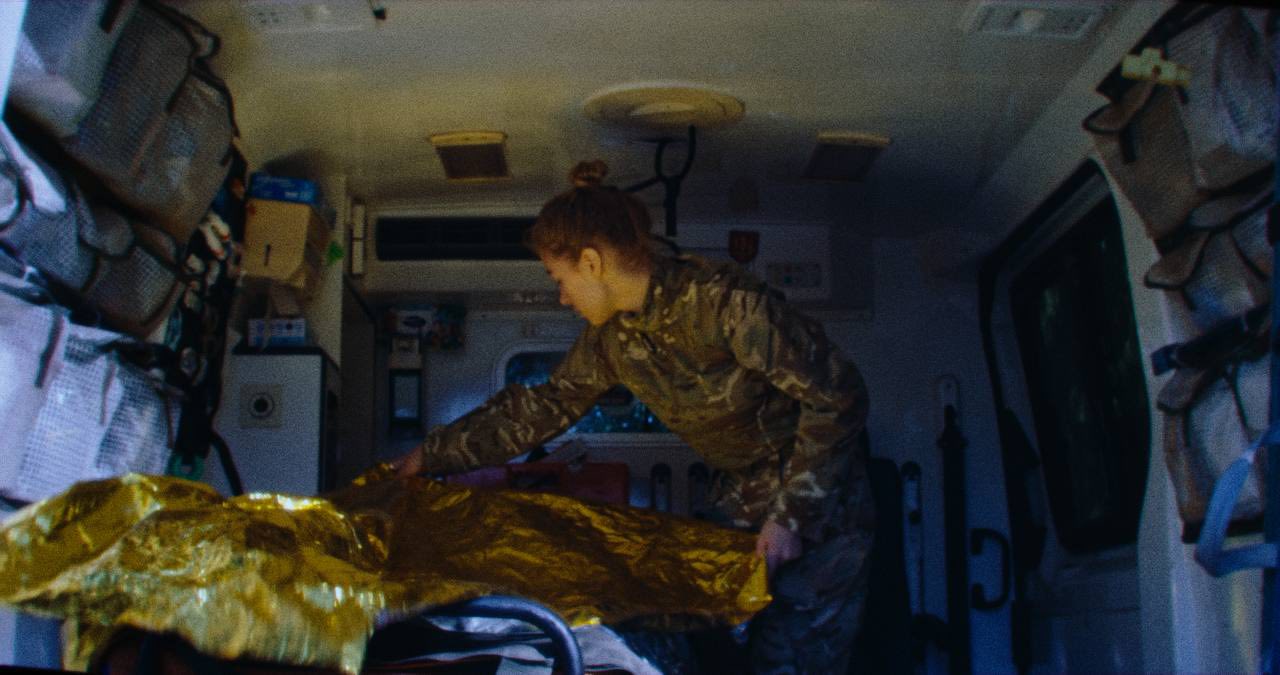
User @yarmak_d also compares soldiers to abandoned creatures, saying that "over time you start to understand that nobody needs you."
"Your surroundings don't understand you. Building relationships in these conditions seems impossible to me. And of course I'm glad people in civilian life are having a good time, but you want that too—not just on leave, but a normal life, like before. All this stress, this environment suffocates you and doesn't let you develop normally," he says.
Veteran @tarantinosssssss describes the moment he first saw a brother-in-arms cry.
"In 2023, a concussed and wounded dog found us, scared and a bit aggressive. We fed her and gave her a place to live. A major, the bastard, shot her with a pistol... because she 'scared' him... We named the dog Toto. It was the first time I saw a brother-in-arms cry over a dog. That brother is gone now, too," he said.
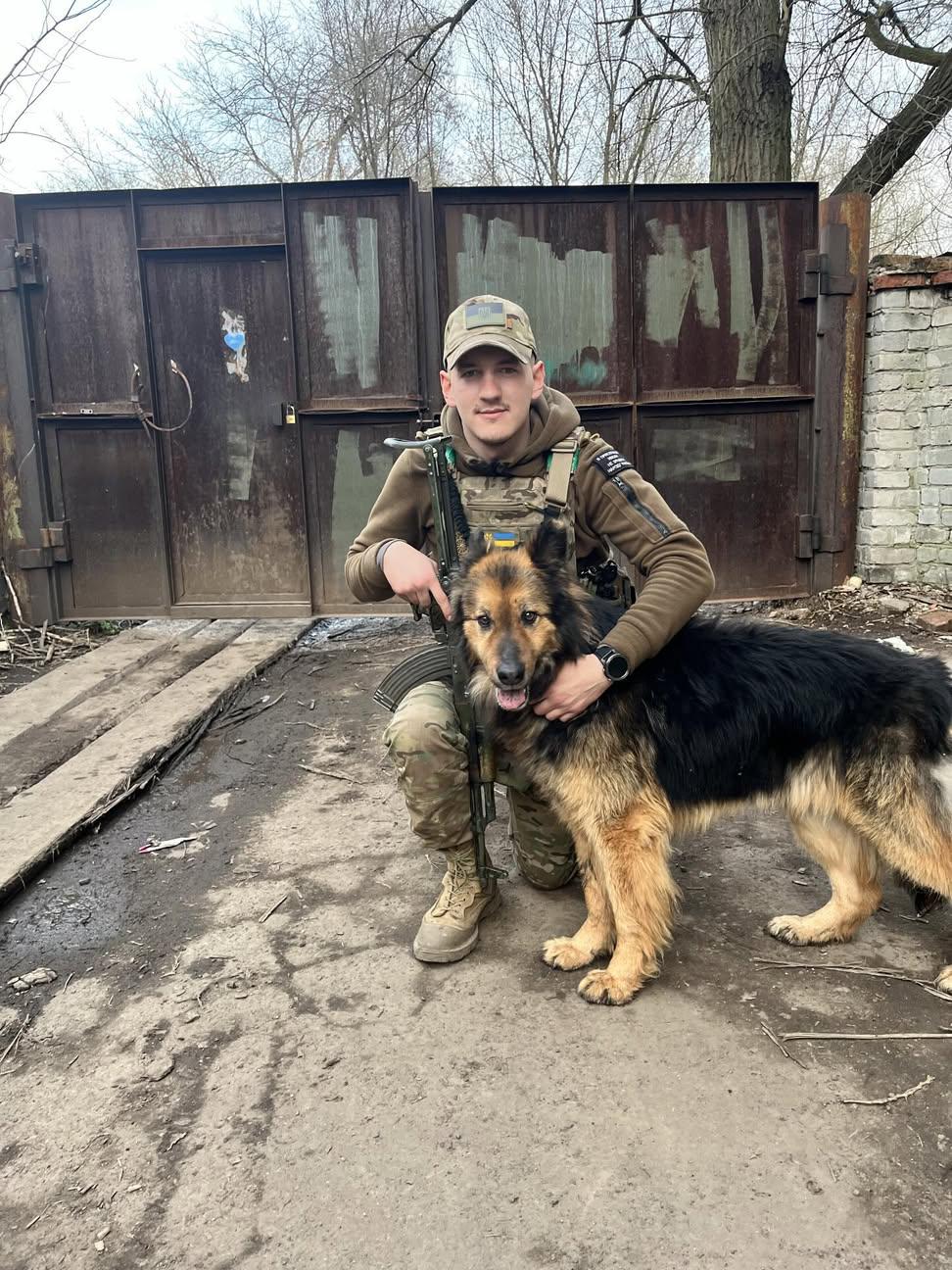
The user @mariia_volia_ says animals want to trust people, but in Mariupol, one dog nearly gave away their position.
"When we were leaving Mariupol, a white dog came with us, a Labrador mix. He walked half the route with us, then the guys realized he had to be killed because he kept running into the field instead of staying by us. We tied him up a couple of times, but he chewed through the rope and caught up. He trusted us and wanted to be with us, but..." she recalls.
Another danger is mines and shells. Russia has made Ukraine the most mine-contaminated country in the world, and demining will take 80 years.
User @shostakartem1985 writes, "The poor animals blow themselves up on mines that are scattered and placed in front of positions."
The Ukrainians are an agrarian nation with deep respect for the land and its creatures. Killing animals inflicts considerable trauma on people raised with that bond.
When the only choice left is sacrifice
In war, heroism rarely looks like the movies with happy endings. Often, it looks like a man choosing to die so that others can keep moving, while the sacrifice happens in front of everyone's eyes.
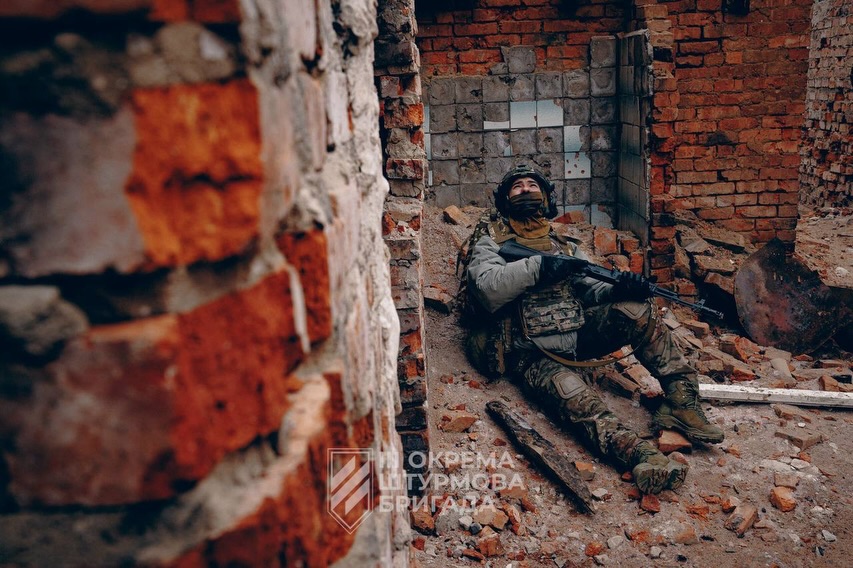
@olia___scherbiy describes two cases from her brigade. In one, a severely wounded man shot himself so he wouldn't slow down the rest of the assault group, who were also wounded. Evacuation was impossible. In the other, a wounded soldier stayed behind to cover his comrades' retreat. The last words they heard from him: "Slava Ukraini."
"These are all stories from my brigade," she writes. "We are living in the time of true heroes."
@blind_gorgona relayed her father's account from 2022. His unit was trapped in a basement under a burning hangar, as the exit was blocked. Firefighters arrived. While they were putting out the fire, a second strike hit. A 22-year-old woman firefighter was killed.
"We came out," the father told her, "and there she lay, a girl, like my own child, even younger. She was trying to save us... the tears just came," she says.
These stories reveal something rarely visible from the outside: in Ukraine's war, sacrifice is not only the choice of soldiers. Emergency workers, volunteers, and ordinary civilians die trying to save others in strikes deliberately designed to hit rescuers, a Russian tactic known as the "double tap."
The messages no one will ever answer
War doesn't just kill people. It destroys entire networks of connection between brothers and sisters, between volunteers and the units they supply, between pregnant wives and husbands who were alive ten minutes ago.
@utc1940, a soldier's sister, went months without hearing from her brother. His comrade Artur wrote her once a week: your brother is OK. He delivered food and supplies to the positions. Then came two months of silence. The brother resurfaced. Artur never did.
@oleksa1981, posting on 3 February 2026, describes a moment familiar to too many: "When your brother-in-arms' pregnant wife, who happens to have your number, texts asking how her beloved is doing, as he hasn't been in touch for a day. And ten minutes before that message, you found out a shell tore him apart. And you stare helplessly at the phone screen."
Volunteer @janebbrownn was never in uniform, but the war reached her anyway.
"What broke my heart was arranging delivery of a package—candles, netting, thermal gear—talking to the soldiers, sending it off, and then no one picks it up for a long time. Then someone calls from a different number asking to redirect it, because there's no one left to collect it," she writes.
She adds, "Same with the last fundraiser for a pickup truck. We raised the money. Later, we learned the guys we raised it for were gone. So many chat threads where no one will ever reply."
@babemariie, also not a soldier, describes the death of her friend. His command had refused to allow a position change for two years. A 1.5-ton guided aerial bomb hit their place, killing seven soldiers aged 18 to 25. Half of them were only children in their families. Most are still officially listed as missing, though everyone knows they're gone.
Ukraine’s youth fight battles far beyond their years
Ukraine's mobilization age starts at 25, but the war doesn't check IDs. Many of those fighting and dying are barely past their teenage years.
@vidmaa_a says, "When a young guy tells you what he's planning to do on leave, and eight minutes later you're recording his time of death. And unfortunately, it wasn't just once."
@__tusiaaa shares the story of her friend Taras, who always had a sense of humor. The soldiers in his unit called all Russians "Seriozha" after hearing them search for one over comms. Once, her friend sat in a dugout next to a dead Russian soldier and said, "Well, Seriozha, you're done running." Taras was killed in October 2025. He is forever 22.
"His mother's and grandmother's screams are still in my heart," she writes. "And the words 'Tarasyk, you're still so young' will break my soul into pieces forever."
Trending Now
@shansonye's story is about a father and son. His father fought for three years in the Aidar battalion as an anti-tank soldier, regular infantry, and in assaults. He went through every hot spot. He seemed indestructible.
"I learned to pilot FPV drones and taught him, so we could transfer to pilots together. While I was going through basic training, his position was hit by a guided bomb. I still feel like I hadn't interfered, he'd still be doing what he was so good at," he says.
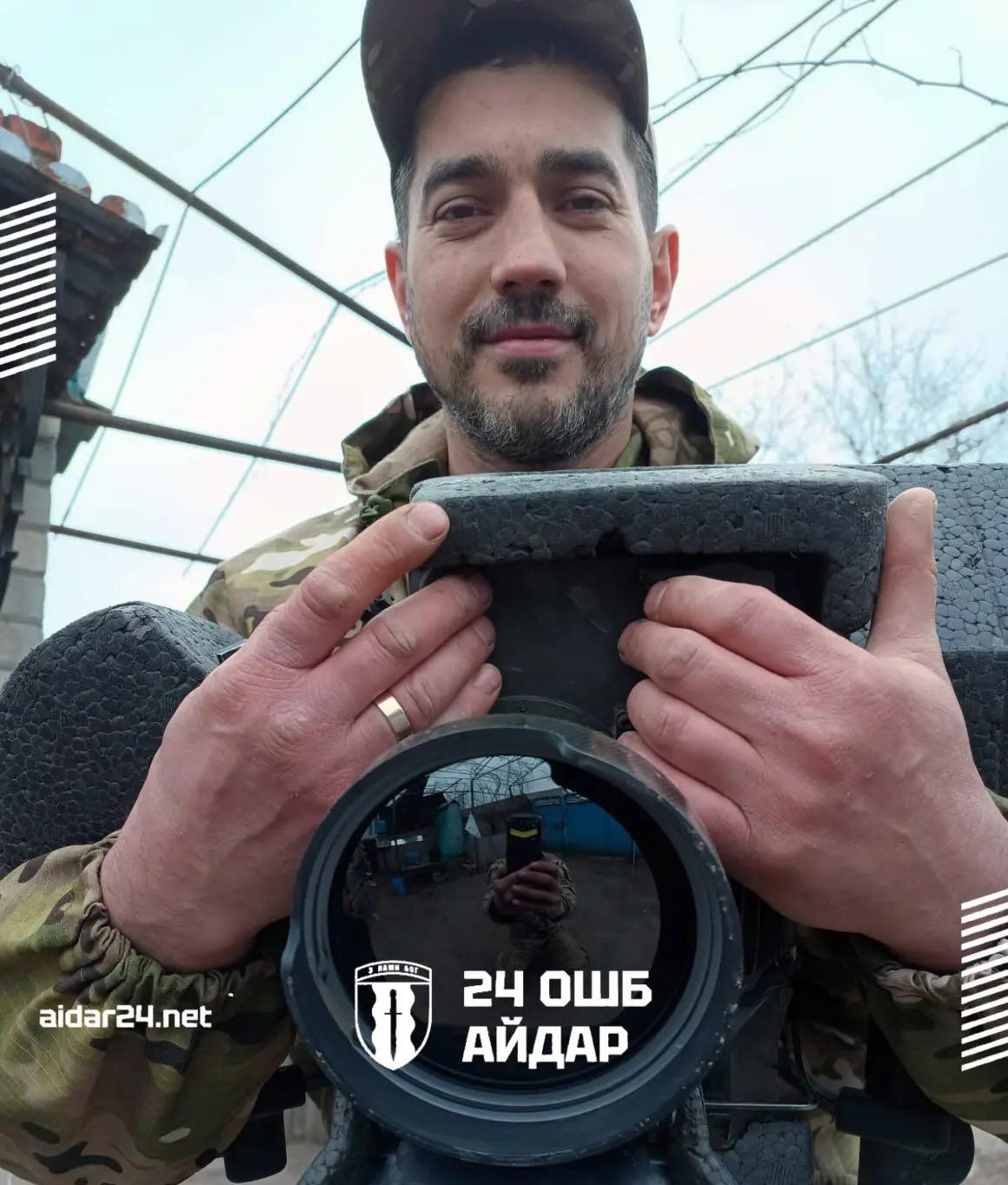
The guilt of survivors, especially when a decision made with the best intentions led to loss, is one of the war's heaviest invisible burdens.
When you can see them but can't reach them
Some of the most devastating moments in this war are not about death itself, but about being forced to witness it helplessly from meters away.
Military medic @eugenelata, also a mountaineer, ultratrail runner, and marketer in his other life, describes the most precise form of cruelty modern warfare has produced: "When you're lying in a foxhole looking into the eyes of a wounded man five meters away on the street. A drone hovers above him, waiting for someone to crawl out to him, or for him to crawl to cover.
"You both understand this, so he doesn't crawl. He just lies there, bleeding, looking at me... He died. And I never got to give him aid," she describes.
This is the reality of drone warfare in 2026. Russian FPV operators use wounded soldiers as bait, hovering above them for hours, waiting for medics or comrades to expose themselves. The wounded man understood this. So did the medic. They looked at each other until one of them died.
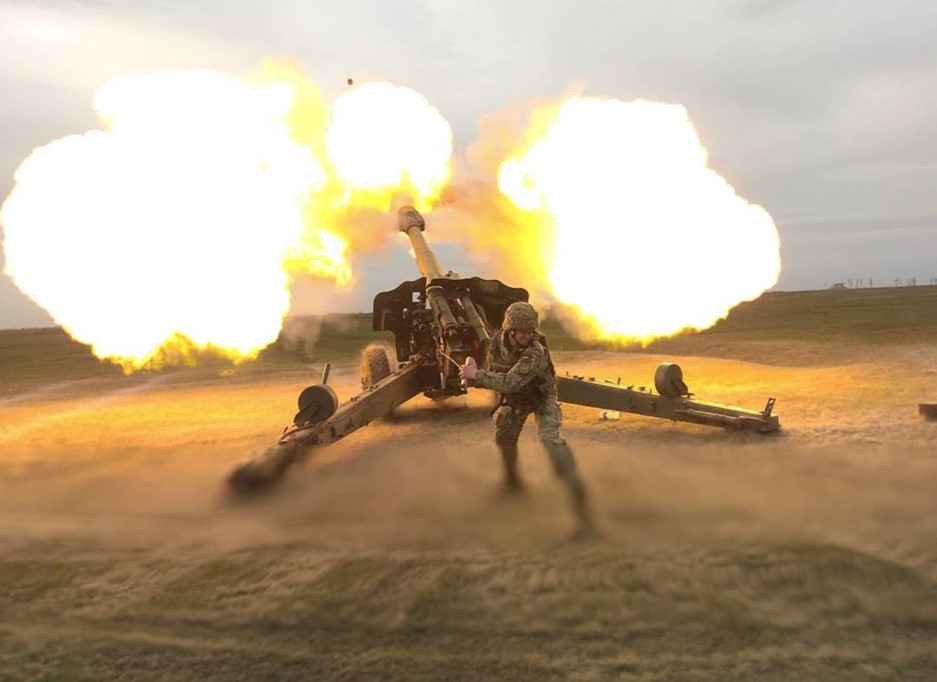
@saga_b reveals what the most heartbreaking thing in Russia's war was: "When you hear on the radio from an infantry position that they ran out of water a day ago and they're drying out, and you need to drop water to them by bomber drone, but you've run out of drones."
@mankyedal lists what broke him in fragments: "1. When a person dies in a vehicle before reaching the stabilization point. 2. Waiting for the one that finally hits your dugout, because you don't have the strength to endure hours of shelling landing nearby. 3. Washing blood and remains of bodies out of the vehicle. 4. Before an assault, your gaze fixes on those who won't come back."
@traveler_filmmaker adds that the most crashing thing for him was the Bucha mission.
"I saw dead and wounded civilians in 2014, too, but not in those numbers," he says.
@kastetius wrote just one line: "When assault groups only go one way..."
Flowers from the dead—war delivers grief in cruel, everyday ways
The war doesn't end at the front line. It comes home in nightmares, in silences, in children who understand too much.
@maraua418, a soldier's wife says, "What breaks my heart most is when my husband wakes up at night. You know why. At first, he stared at one spot for a long time. Silent."
"Then he started crying. Through tears, he told everything, as if in a confession. He talked until morning. That was once, in 2016. Now he just wakes up, smokes a cigarette, and goes back to bed," she reveals.
That single detail—2016—reveals how long this has been going on. Not four years. Not since the "full-scale invasion." A decade. The psychological wounds of the Donbas war never healed before the next wave hit.
@nava_staleva tells a story so precise it reads like fiction, except it isn't. She sent her mother-in-law flowers on Mother's Day without knowing her husband had already been killed. Her mother-in-law knew. She received flowers from her dead son. The wife kept asking for a photo of the bouquet, wanting to show her husband when she saw him.
"Only days later did I find out what pain those flowers and my messages caused... Her family just wanted to wait until I got out of encirclement before telling me. Everyone around me knew, except me," she says.
@nadiia.chybir, a former military wife, "Every time it tears my heart apart, when my 6-year-old daughter asks why the Russians destroyed her father's life, and I look into those eyes, barely holding back tears, because I don't know what to answer... when she screams in hysterics that daddy died. She knows."
@helen.bels shares a memory of her late godfather, who served in the ATO in 2015-2016, a year and a half without rotations. When he came to visit, he lay on her lap. She stroked his hair while he spoke in a monotone, without any emotion, about the hell he'd lived through. About shelling. About how the commander would bring black bags with the words: "Collect your people... an arm, a head, a dog tag, a toy."
"I wept out loud, and he kept speaking in the same calm voice. His psyche had turned to stone to survive. And I was the place where he could finally just exhale," she recalls.
Drone footage of survival, phone screens of horror
Not every story ends in loss. Some defy explanation.
@ann.podduieva: "My husband was severely wounded in the lung—the shelling was filmed from a drone, so I know every detail. The order was to fall back. He started walking but lost consciousness and collapsed in the middle of a field. The field was under fire. Craters all around him. He survived and walked another four kilometers to the evacuation point. A real miracle. But what I saw broke my heart."
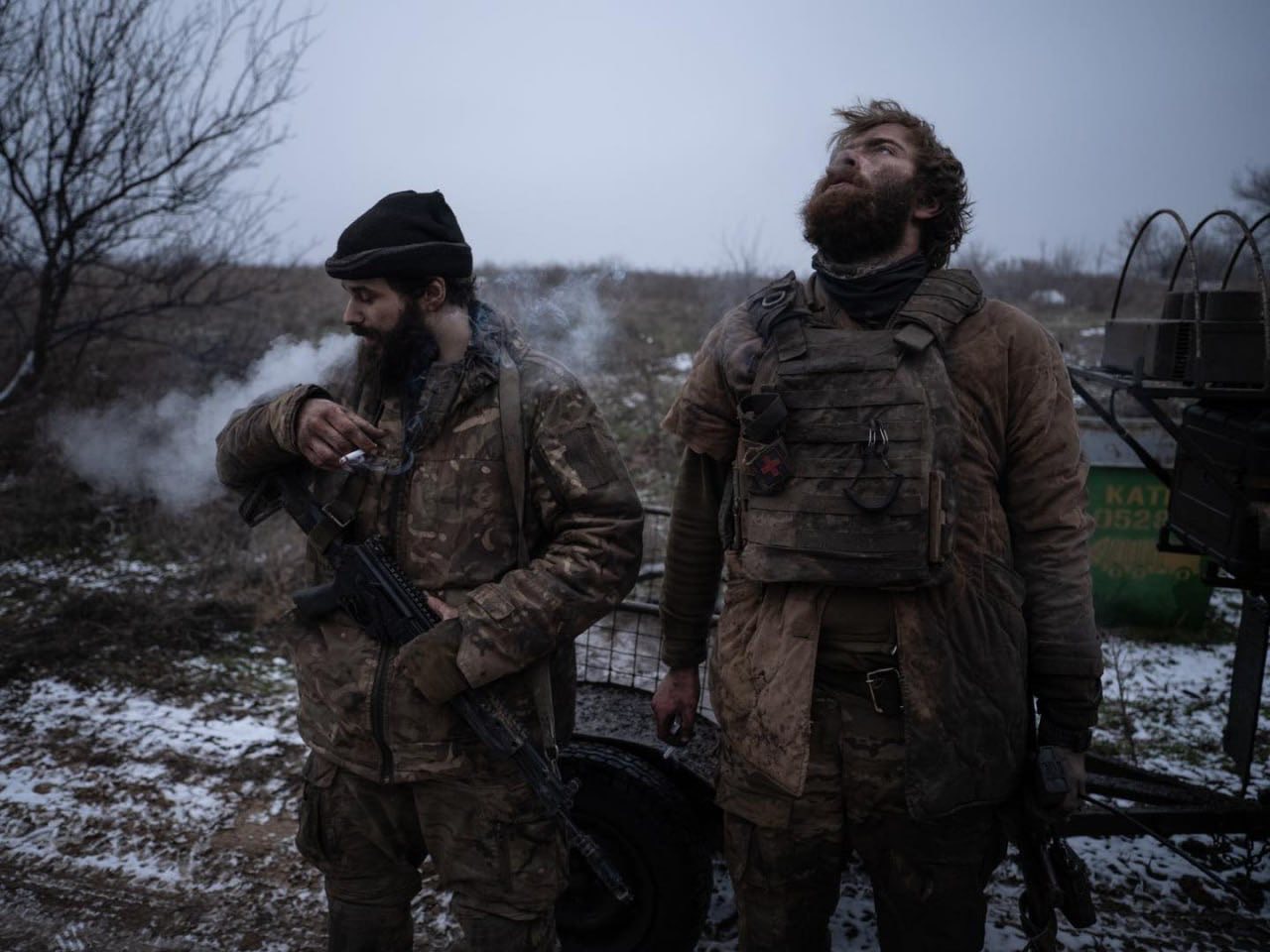
@viktoriia.kubrak.buhrova: "My father got a concussion during shelling. The guys spotted him and pulled him out from under a pile of corpses. His helmet had blown off his head, and everyone assumed he had no chance, but the helmet saved his life."
These miracles also entail a cost. The families who witnessed them on drone footage, on phone screens, in hospital wards, as they carry images that no peacetime therapy was designed to treat.
One user, @sashenyaka_82, estimated that what she read in the thread was "5% of what actually exists." She is almost certainly right. The original posts were written from positions, hospitals, kitchens, and beside graves.
When people say this war is "too expensive"—these are the receipts.