
- Human infantry are still critical in the age of drone warfare
- But ground robots may have the edge in some conditions, especially at night
- Thermal cameras help armed ground robots see when most human infantry are blind
In a one-on-one clash, a human infantryman has some clear advantages over a gun-armed ground robot. The infantryman has all his senses, is more nimble on rough terrain, doesn't require redundant command and control systems to function and—perhaps most importantly—is capable of creative problem-solving.
But all those advantages can disappear at night if the ground robot has a thermal sensor ... and the infantryman doesn't. Unassisted by technology, human beings are all but blind on an overcast night.
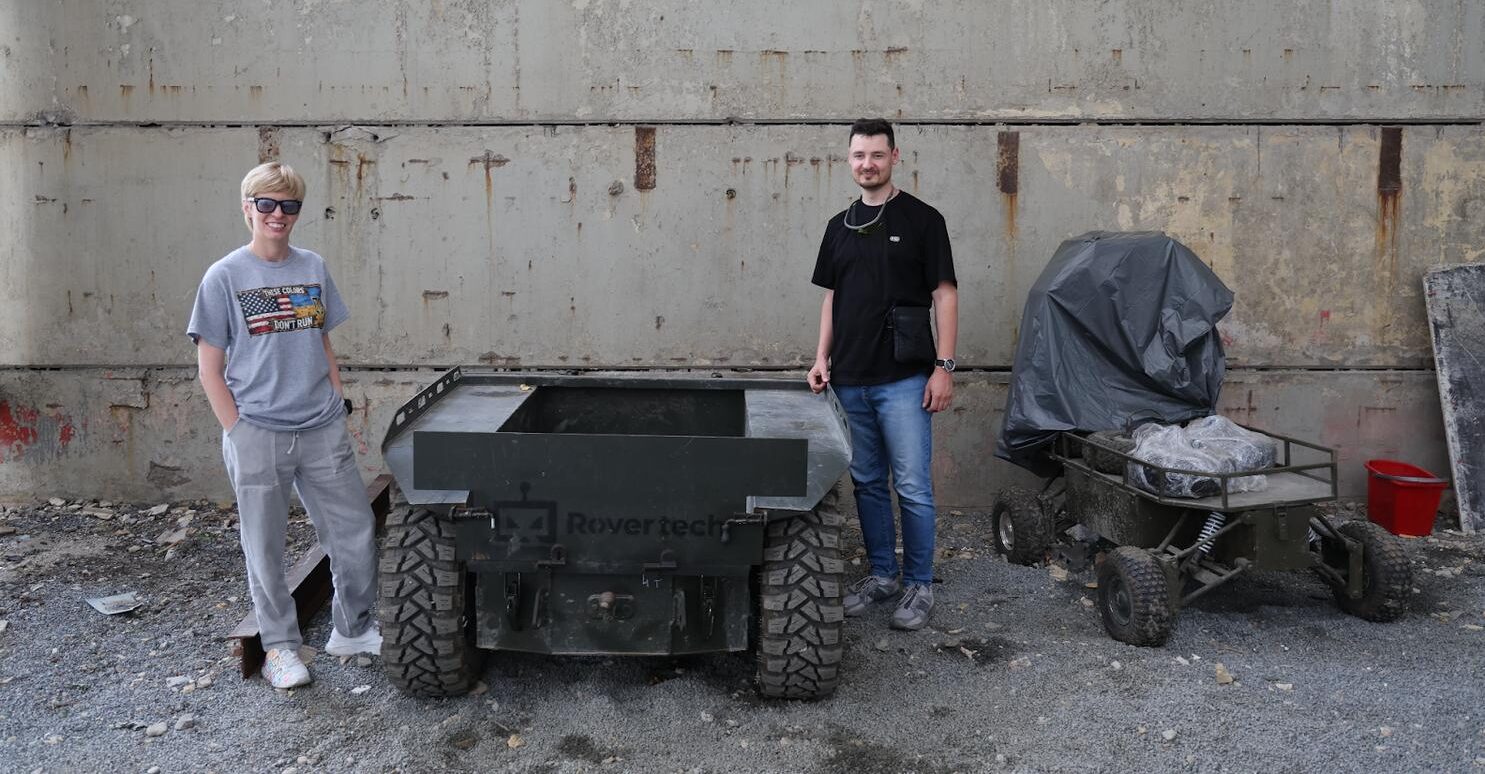
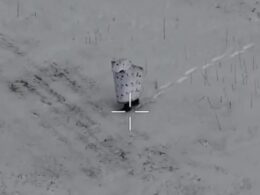
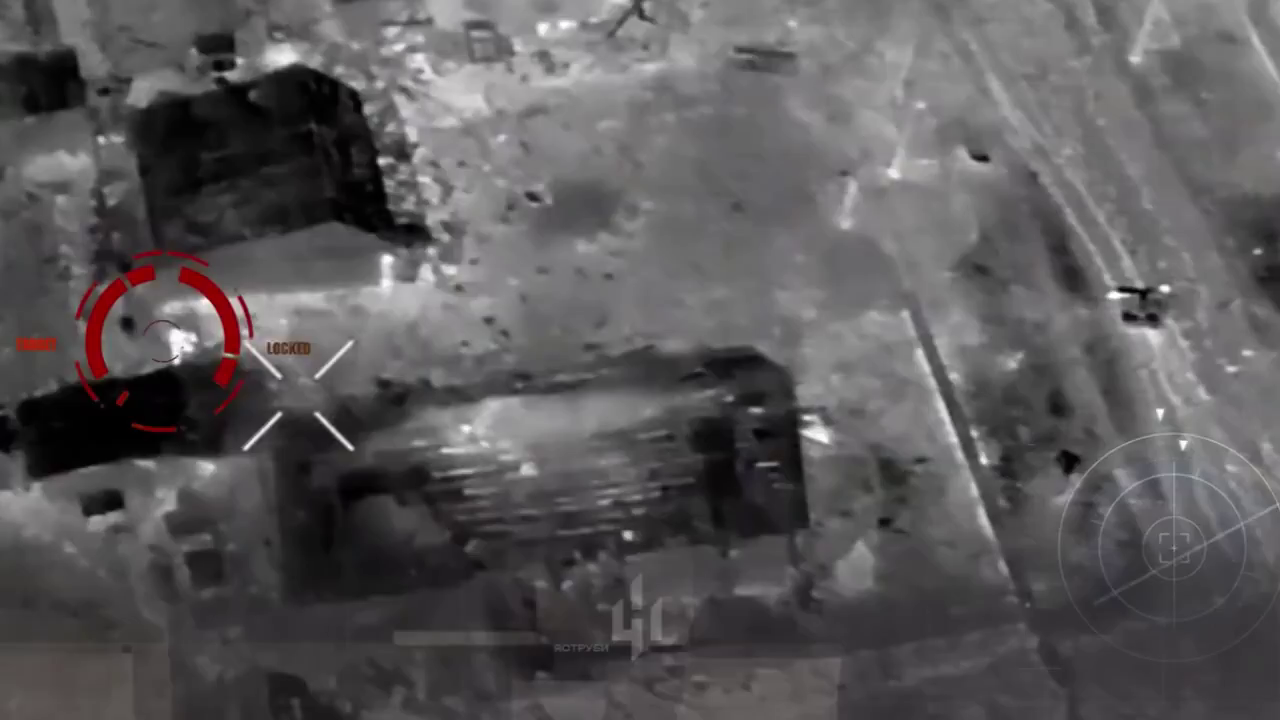
It's apparent, when a Ukrainian unmanned ground vehicle closed with a Russian infantryman under the cover of darkness somewhere along the 1,200-km front line of Russia's 48-month wider war on Ukraine some time recently, that the UGV could see in the dark—and the Russian couldn't. See the video below.
The robot got the jump on the man. With a few bursts from its .50-caliber M2 heavy machine gun, the UGV apparently killed the Russian. It was just the most recent in a series of actions by Ukraine's armed UGVs. The Russians deploy armed ground robots, too, of course—but the Ukrainians may still have the edge in this fast-evolving class of remote ground weaponry.
There are a lot of reasons why some Ukrainian brigade might send a UGV on patrol in place of human infantry. Ukraine is still struggling to recruit enough fresh infantry to keep its front-line units fully manned.
Ukraine keeps droning Russia’s “penguins”—same unit, same mistake, six days straight
A ground robot, while expensive at potentially tens of thousands of dollars, is a useful substitute for some missions—although, to be clear, the 'bot still requires human operators. The benefit is that more Ukrainian recruits may be willing to volunteer for drone duty than for riskier infantry duty.
A UGV doesn't tire the way a human soldier does. A team of operators could keep a 'bot on patrol for as long as the 'bot's battery lasts—and quickly recharge and redeploy it when the battery does run out.
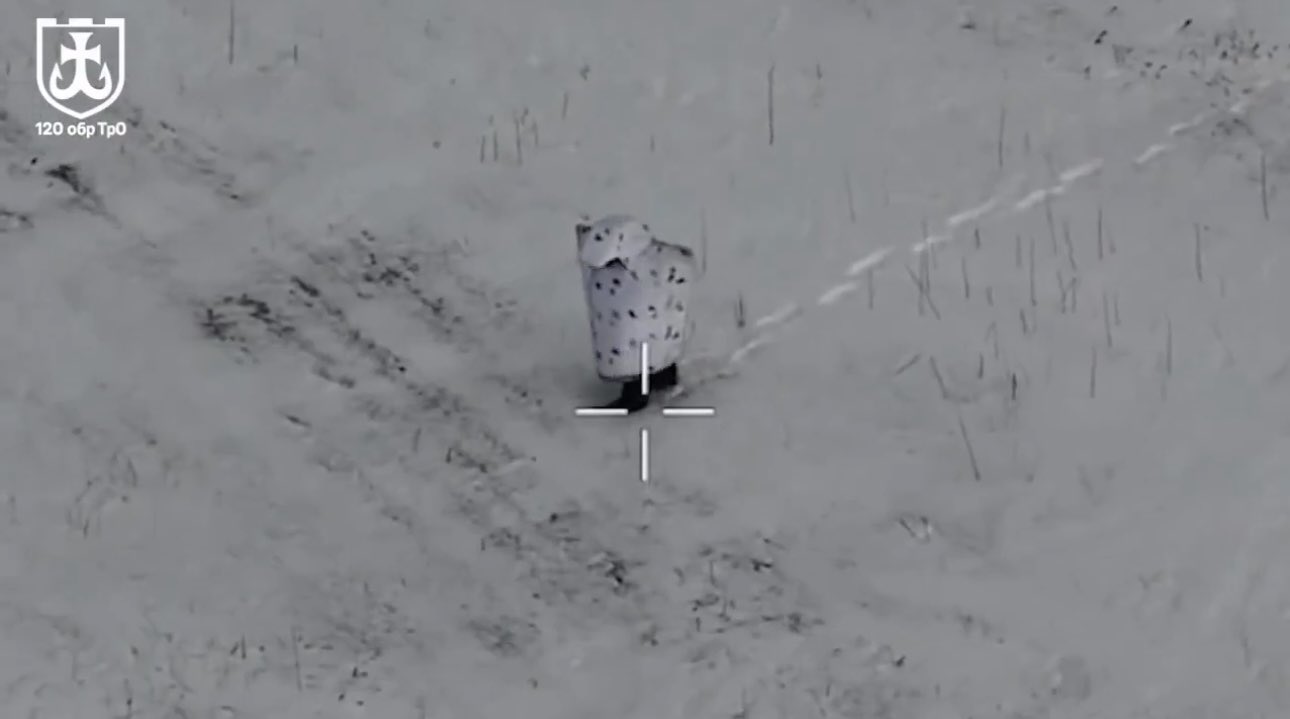
Moreover, a UGV is a stable platform for a thermal camera that might not be wearable by a human being. Rolling along darkened roads at night, a thermal UGV can spot Russian infiltrators by their telltale body heat. Even the best thermal camouflage tends to leave feet and faces uncovered. Some part of the wearer is likely to shine bright white on a thermal camera.
Trending Now

FPV drones get all the attention. Ukraine’s reusable heavy bombers are doing the real killing
Thermal vision proliferates
It's likely at this point that most Ukrainian UGVs have thermal cameras. By contrast, only elite Russian troops wear night-vision goggles. At night, the 'bot has the edge. Especially when an unmanned aerial vehicle flies overhead, spotting targets from above that the UGV can't see from ground level.
The night of the manned-on-unmanned skirmish, the thermal UGV had help from a thermal UAV. It's unclear which robot spotted the Russian first as he cowered in an alley. It's equally unclear whether the UAV was armed. In any event, the UGV took the first shot, peppering the Russian with 50-gram bullets.
It wasn't the most dramatic or impactful clash at a time when Russian forces are advancing in eastern Ukraine's Donetsk Oblast and Ukrainian forces are extending a limited counteroffensive in southeastern Ukraine's Dnipropetrovsk and Zaporizhzhia Oblasts.
However, it was yet another sign pointing to a new era in ground warfare, one where infantry are still critically important. But not all infantry are flesh and blood.