


The third round of US-brokered trilateral talks between Ukraine, Russia, and the US saw the political group get "stuck" on 17 February in Geneva, two sources told Axios, even as US Special Envoy Steve Witkoff claimed "meaningful progress." The military track continued to advance, but the political discussions stalled over positions by Russia's new chief negotiator, Vladimir Medinsky.
Political track stalls after Russia swaps delegation chief
The sources pointed to the positions presented by Medinsky as the cause of the deadlock, Axios journalist Barak Ravid wrote on X. The Ukrainian delegation rejected Moscow's demands as unacceptable, though specifics have not been disclosed.
Zelenskyy told Axios he feared the switch was designed to drag out negotiations. One source also told Axios the Russian side complained about Zelenskyy's recent public statements, claiming the Ukrainian president was trying to boost his domestic popularity ahead of possible elections rather than negotiate seriously.
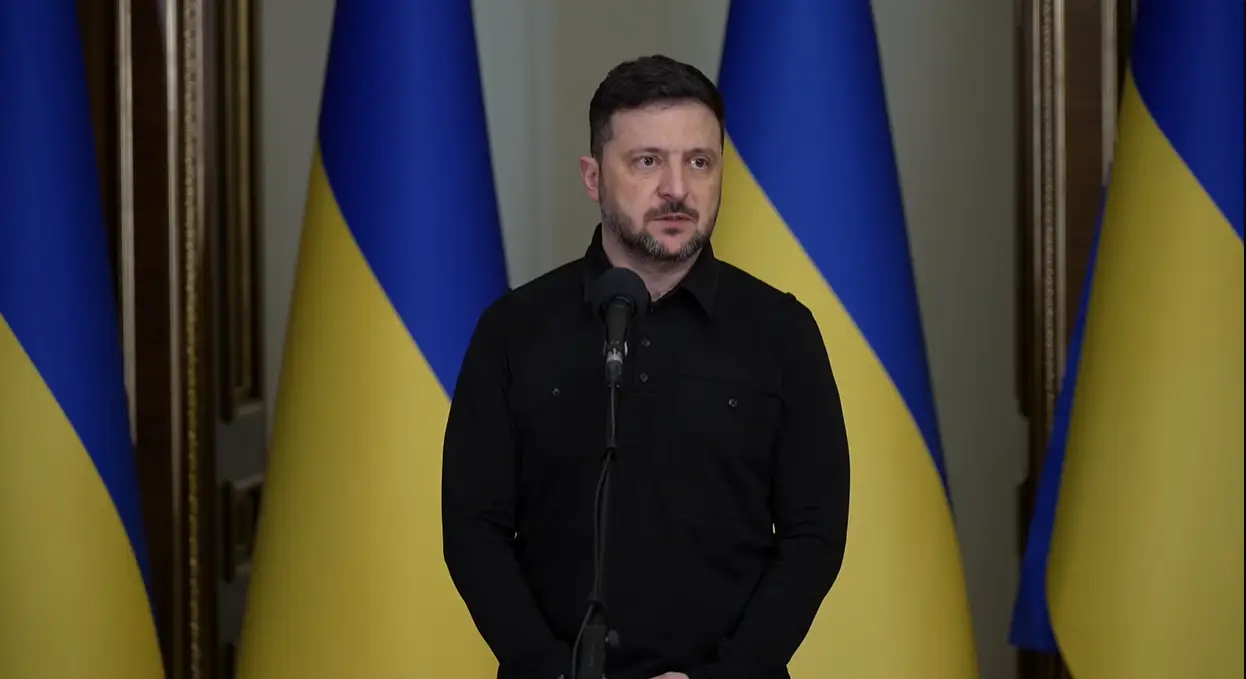
It’s easier for Trump to publicly pressure Ukraine than the much larger Russia, Zelenskyy says
Witkoff's "meaningful progress" contradicts deadlock reports
Witkoff posted on X that "President Trump's success in bringing both sides of this war together has brought about meaningful progress" and that "both parties agreed to update their respective leaders and continue working towards a deal." The post offered no specifics on what that progress entailed.
Russia's territorial demands remain central
Ukrainian chief negotiator Rustem Umierov said the groups focused on "practical issues and the mechanics of possible solutions." Russian media quoted a delegation source saying the six-hour first day was "very tense."
Zelenskyy told Axios that military-to-military talks had been more productive, with sides largely agreeing on a US-led drone-based mechanism to monitor a future ceasefire. The political track — covering territorial disputes and security guarantees — has proven far harder. Russia continues to demand that Ukraine cede the remaining portions of Donetsk Oblast it still controls.
Zelenskyy has signaled openness to discussing a demilitarized zone with reciprocal troop withdrawals but rejected Russian sovereignty claims.

Russia offered Ukraine a one-day ceasefire to hold a national vote. Zelenskyy called it “absurd”
He also called it unfair that Trump kept publicly pressuring Ukraine, not Russia, to make concessions.
Hours before the talks, Trump told reporters: "Ukraine better come to the table fast."
On 17 February, Umierov also held a separate meeting with European partners and the US in Geneva. National security advisers from the UK, France, Germany, and Italy were also observing the talks. Discussions are set to continue today, 18 February.
Read also
-
Third round of Ukraine-Russia-US talks opens in Geneva with European presence
-
21,400 disinformation posts in three days: Russia returns “ungrateful Ukraine” narrative to Europe ahead of Geneva talks
-
Russia’s election demand for Ukraine comes with a catch — only a pro-Kremlin result will do, ISW says


