

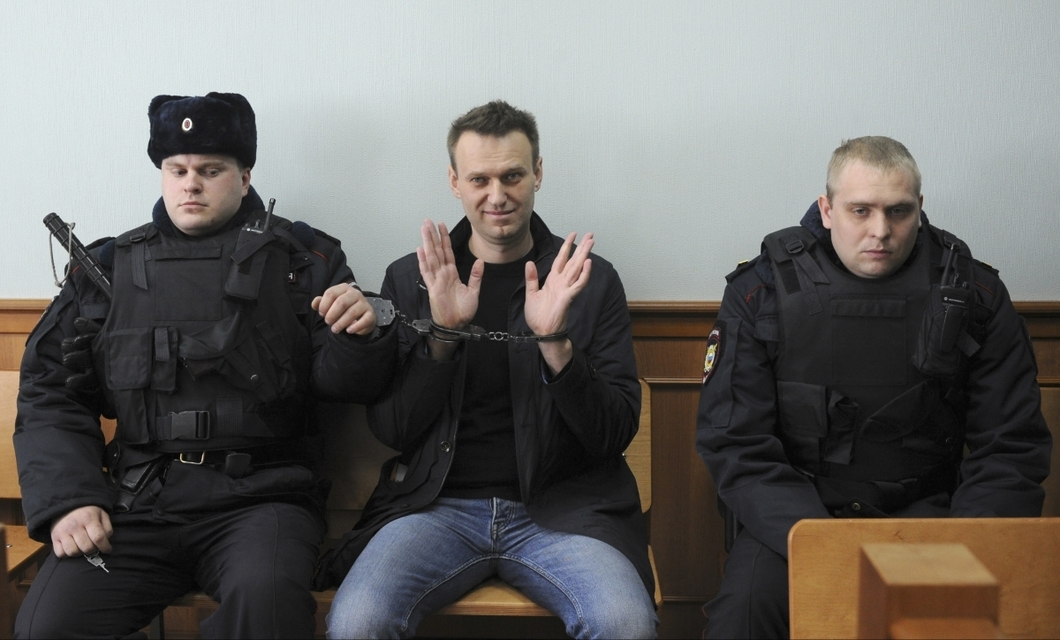
Russian opposition politician Alexei Navalny’s biological samples have tested positive for the highly toxic substance epibatidine. This was confirmed by laboratories in five European countries — the UK, Sweden, France, Germany, and the Netherlands, according to The Insider.
Navalny was imprisoned in 2021 and sentenced to over 20 years following multiple trials. In February 2024, he died in prison. The Russian opposition believes his death was the result of a deliberate assassination, while Russian authorities claimed he died due to a heart rhythm disorder.
Ukraine has generally viewed Navalny critically, considering him not a genuine fighter against the Putin regime but rather a nationalist with pro-Russian views on Ukraine.
Between 2014 and 2017, Navalny used the metaphor “Crimea is not a sausage sandwich” to openly state that the peninsula could not be “thrown back and forth,” that it remained part of Russia, and “in the foreseeable future” would not return to Ukraine.
Small dose — high risk: how epibatidine affects the body
Several independent laboratories have analyzed the samples and detected the presence of the toxin, which is found in the skin of the American tree frog and is considered extremely dangerous.
According to The Insider, representatives of the five countries plan to issue a joint statement during the Munich Security Conference.
Resuscitation doctor Oleksandr Polupan, who previously treated Navalny after his Novichok poisoning, has noted that the published symptoms of the politician correspond to known data on the effects of epibatidine.
“Even minimal doses can cause convulsions, respiratory paralysis, and be fatal," he said.
Epibatidine acts on nicotinic acetylcholine receptors in the nervous system. In very small doses, it may have an analgesic effect, but exceeding the threshold dose is critically dangerous.
In vitro studies show that the substance is poorly metabolized in the human body, and the maximum concentration in the brain is reached approximately 30 minutes after administration.
Read also
-
“Targeted attack”: President Aliyev says Russia struck its diplomats in Kyiv three times after Azerbaijan began strengthening ties with Ukraine
-
“Putin does not live like ordinary people”: Russian ruler consults more with Tsar Peter and Empress Catherine than with any living person — Zelenskyy at Munich


