


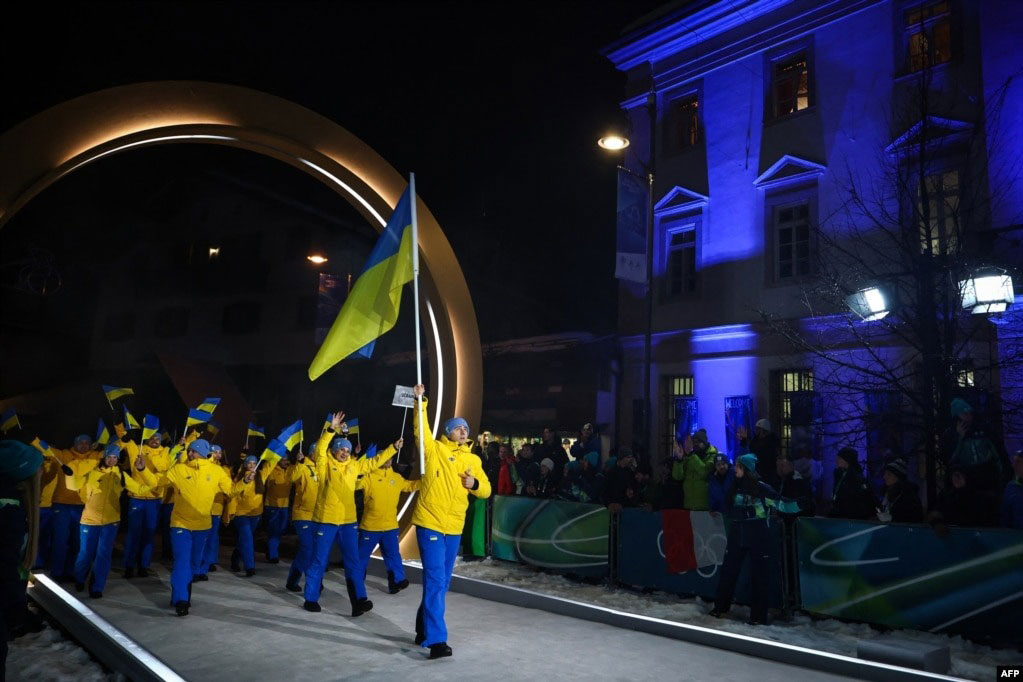
The International Olympic Committee disqualified Ukrainian skeleton racer Vladyslav Heraskevych from the 2026 Winter Olympics on 12 February for refusing to remove a helmet depicting 22 Ukrainian athletes and sports figures killed by the Russian forces during the ongoing all-out war.
Heraskevych, Ukraine's flag bearer, refused to remove the portraits and told IOC President Kirsty Coventry, the former Zimbabwean swimmer, that her decision "serves Russia's narratives."
The 22 faces on the helmet range from Olympians who fell defending Bakhmut to children killed by Russian strikes in Mariupol, Mykolaiv, and Dnipro.
The Russians have killed 660 athletes and coaches and destroyed more than 800 sports facilities, including 20 Olympic, Paralympic, and Deaflympic training centers.
While 13 Russian athletes compete as Individual Neutral Athletes at the Winter Olympics, the disqualification of Heraskevych for honoring the dead has drawn widespread condemnation from Ukrainian officials, fellow Olympians including Oleksandr Usyk and Olha Kharlan, and international commentators.
"The IOC doesn't have enough black ribbons"
Skeleton is a winter Olympic sport in which athletes race headfirst down an icy track on a sled at speeds up to 120 km/h. The helmet is a central, highly visible piece of equipment.
Heraskevych wore his "helmet of remembrance" during practice runs in Cortina d'Ampezzo, where he recorded the second-best and then the best time. The IOC ruled the portraits violated its ban on political statements during competition and offered a black armband as a compromise. Heraskevych refused.
"I believe IOC doesn't have enough black ribbons to honor all the athletes killed by Russia," he said at a press conference.
IOC President Coventry personally met Heraskevych on the morning of 12 February, just before his first official run. After a roughly ten-minute conversation, the IOC confirmed his disqualification.
"I am disqualified from the race. I will not get my Olympic moment," Heraskevych said. "They were killed, but their voice is so loud that the IOC is afraid of them." He added: "I sincerely believe that it is precisely because of their sacrifice that these Olympic Games can take place at all today."
Below are the stories of the 22 athletes whose faces Heraskevych carried down the Olympic track.
Children and civilian athletes killed by Russian strikes
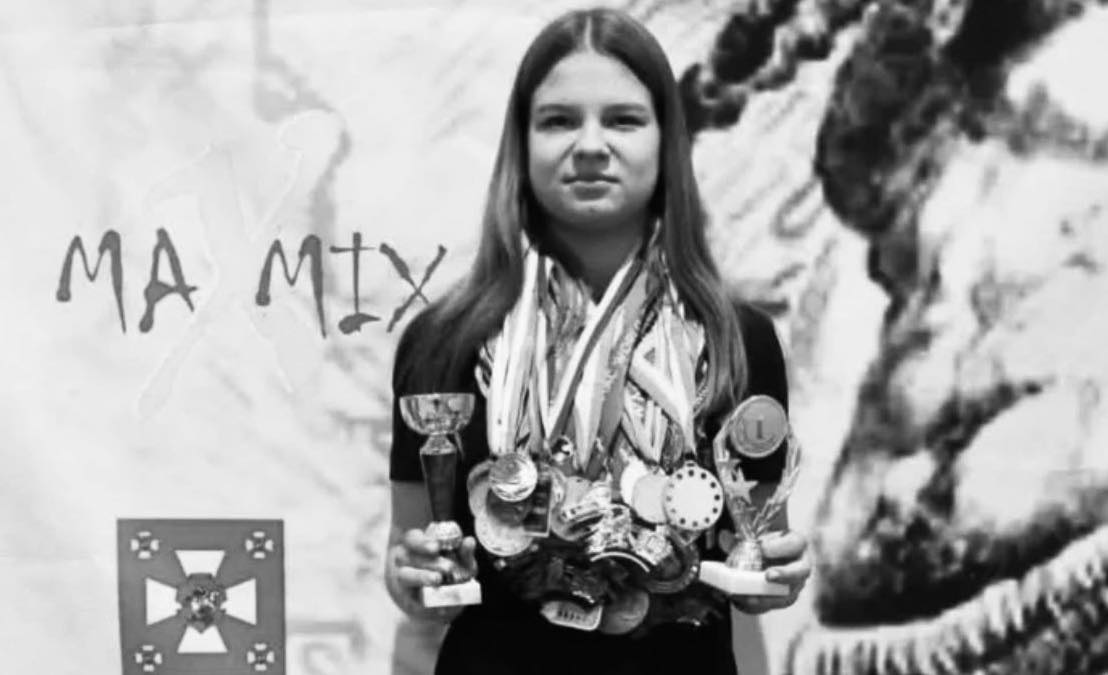
Karyna Bakhur, kickboxer, 17. A champion of Ukraine and Europe in kickboxing (2023 and 2025), Bakhur also medaled at the 2023 World Championships and the 2024 European Championships. She earned her Master of Sport title in 2025 and was coaching a group of children aged 6-7 while studying at a pedagogical college. Russians struck her home area of Berestyn in Kharkiv Oblast. Shrapnel hit both Karyna and her father. Her father survived with wounds to the leg and chest; Karyna died on the operating table. She would have turned 18 on 5 December 2025.
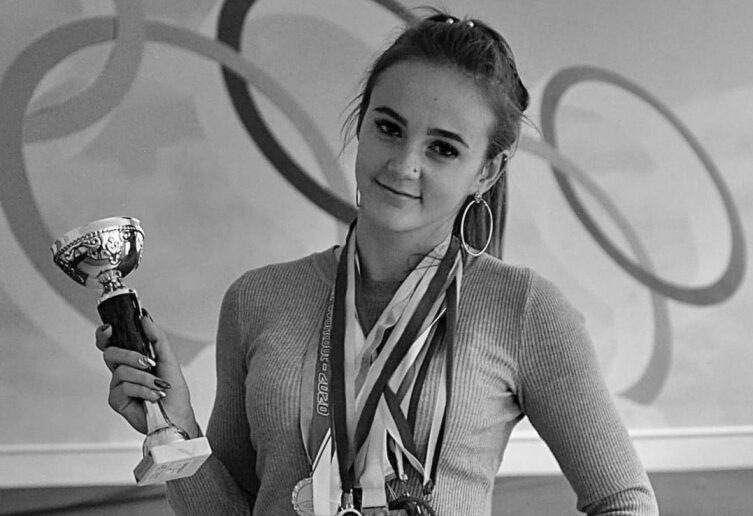
Daria Kurdel, ballroom dancer, 20. A champion of Ukraine in sport dancing and winner of international competitions, Kurdel was training on a sports ground with her father when a Russian MLRS strike hit. Shrapnel wounded her in the liver and heart area. Doctors could not save her. She died in Mykolaiv on 9 July 2022.
Alina Perehudova, weightlifter, 14. Perehudova was a gold medalist at Ukraine's U17 championship in 2021 and a candidate for the national team. She went outside with her mother in besieged Mariupol when a Russian strike hit them. Her brother, who ran out after them, was shot by a Russian sniper.
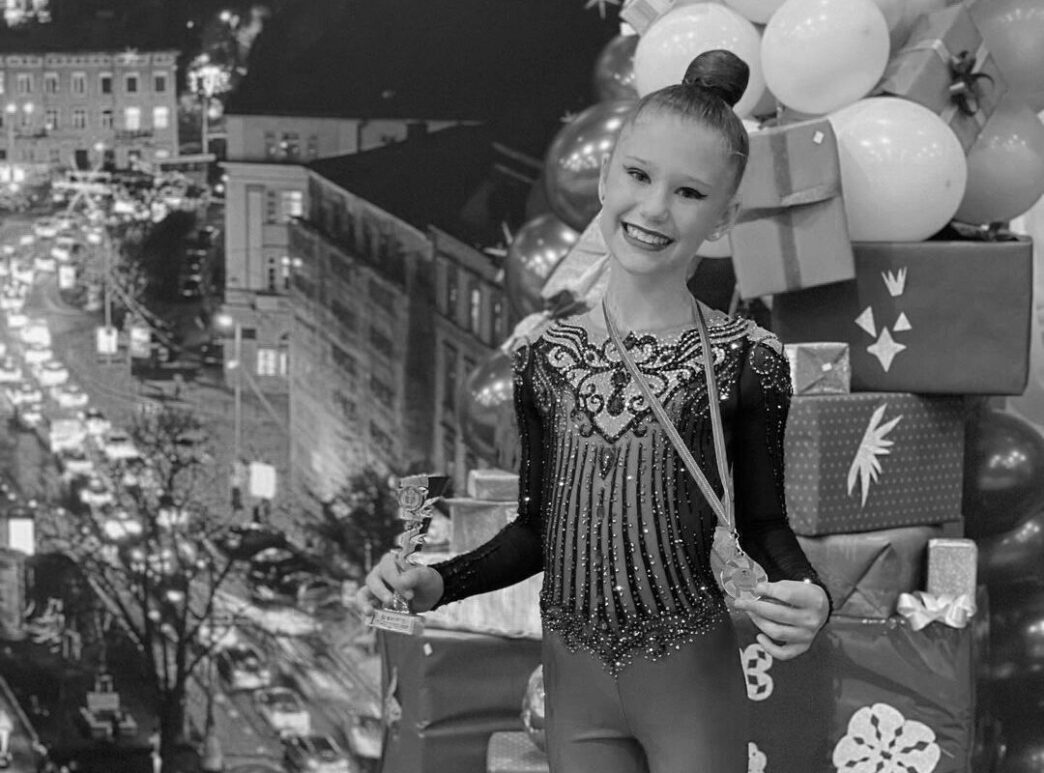
Kateryna Diachenko, gymnast, 11. In the early hours of 10 March 2022, a Russian bomb fell on the building where Diachenko lived in Mariupol. She and her father died instantly. Her mother and brother were taken to a hospital, which a Russian airstrike later destroyed. The entire family perished. Organizers of a World Cup rhythmic gymnastics event in Sofia, Bulgaria, honored her memory in April 2022.
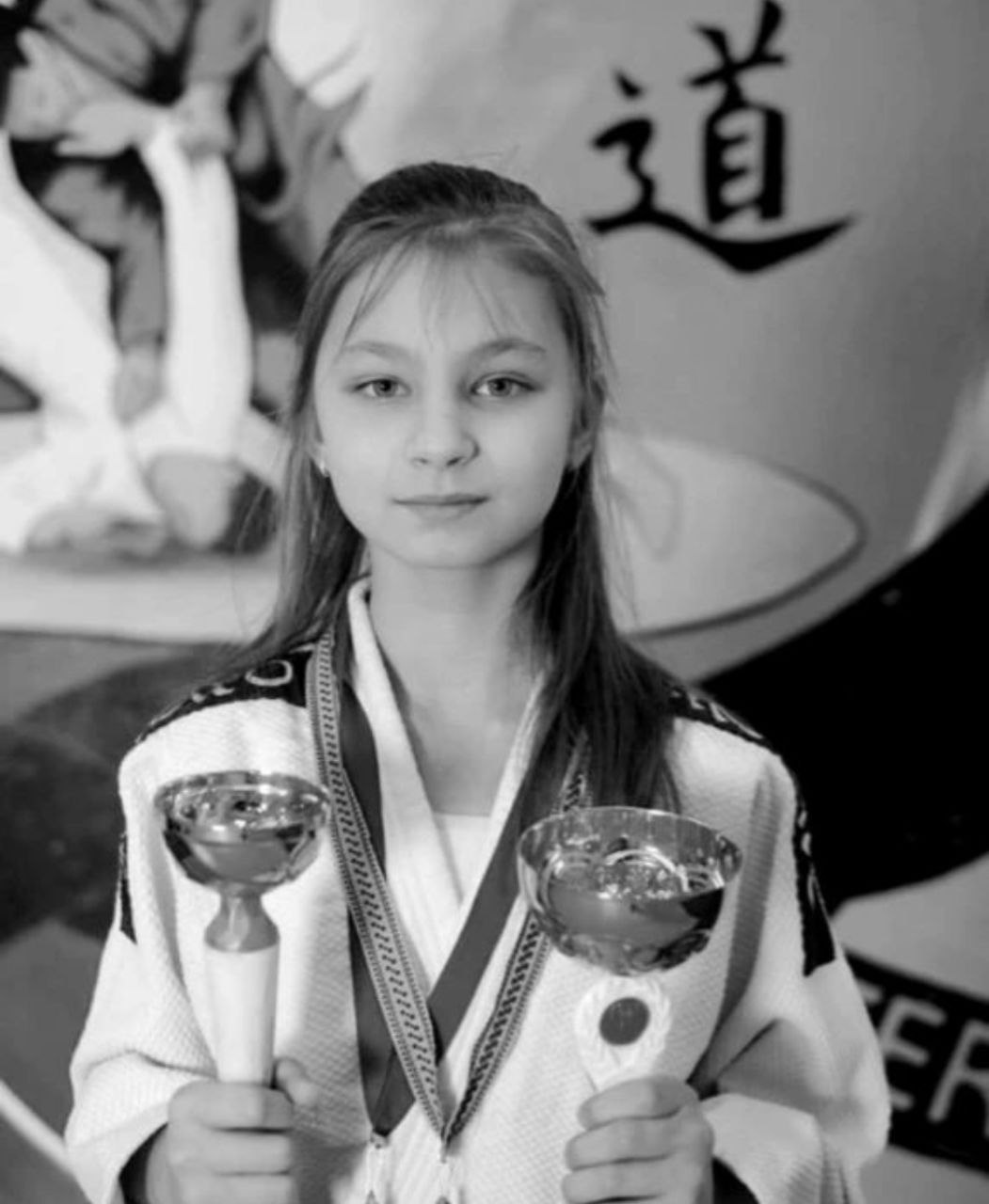
Viktoriia Ivashko, judoka, 9. Ivashko died alongside her mother on 1 June 2023, International Children's Day, during a Russian missile and drone attack on Kyiv. She practiced judo at the Judo Master sports club and had competed on the tatami just days before her death.
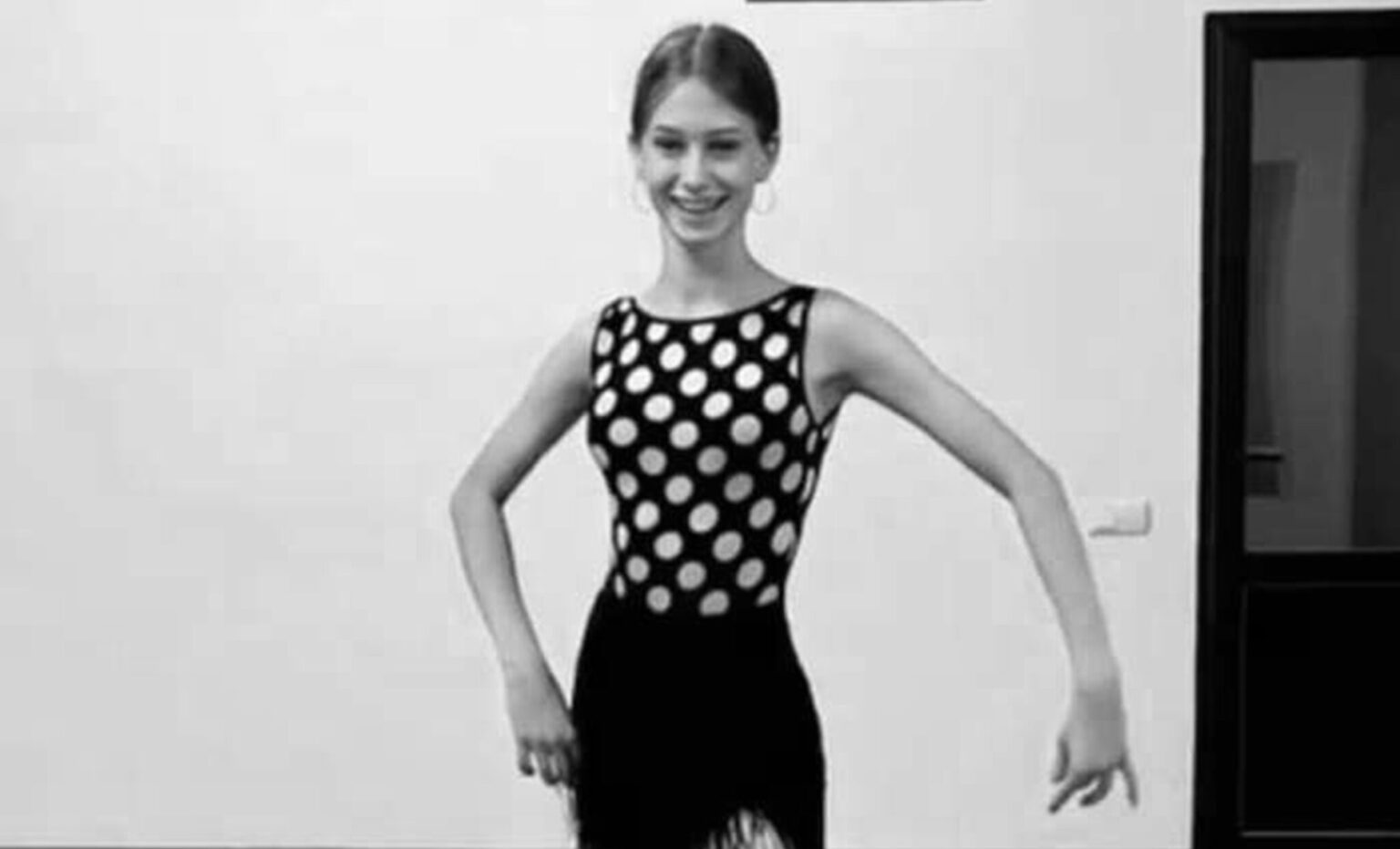
Mariia Lebid, ballroom dancer, 15. Lebid, a ninth-grade school student, died when a Russian missile struck her apartment building in Dnipro. She was home alone. She studied ballroom dancing, music, and English. Running for her school's student council presidency, she described herself as "goal-oriented, friendly, and hardworking" and said she tried "to approach life with humor and positivity."
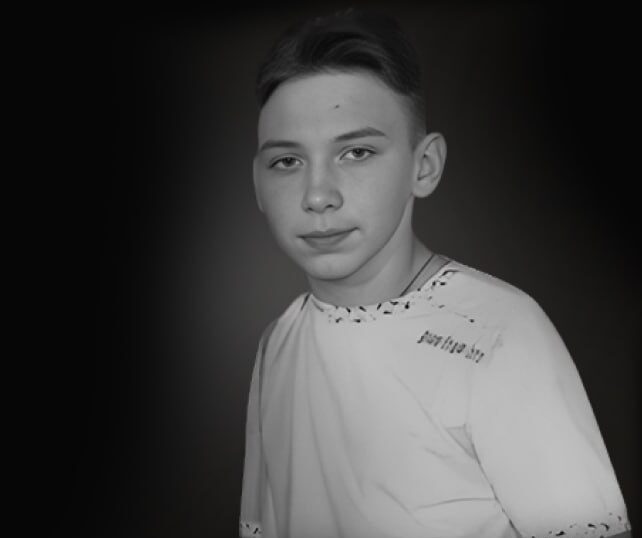
Nazar Zui, footballer, 13. Originally from Makiivka in Donetsk Oblast, Zui began with boxing before taking up football in Mariupol. On 6 March 2022, Russian shelling forced his family from their apartment. They took shelter in the basement of a residential building. On 11 March, around 6 a.m., Russian forces dropped a bomb from a plane onto the building. Nazar, his mother Iryna, and his father Serhii died instantly.
Athletes who enlisted and died in combat
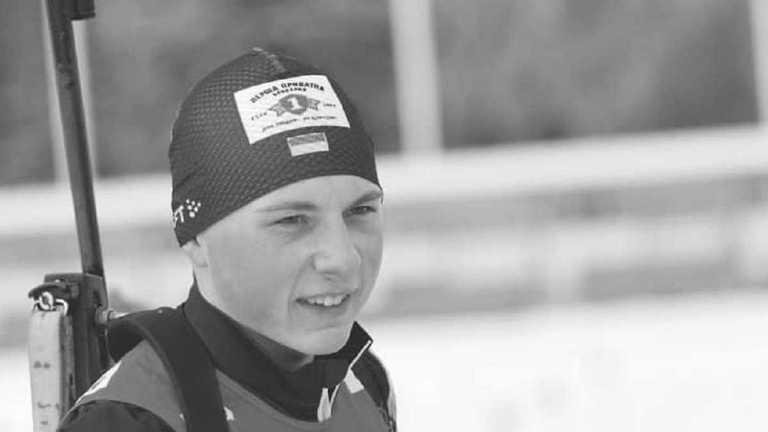
Yevhen Malyshev, biathlete, 19. Malyshev competed on Ukraine's junior biathlon team in 2018-2020 and took part in the 2020 Youth Winter Olympics in Lausanne, Switzerland. He then signed a contract with the Armed Forces. Malyshev died defending his native Kharkiv on 1 March 2022, a week before his 20th birthday.
Trending Now
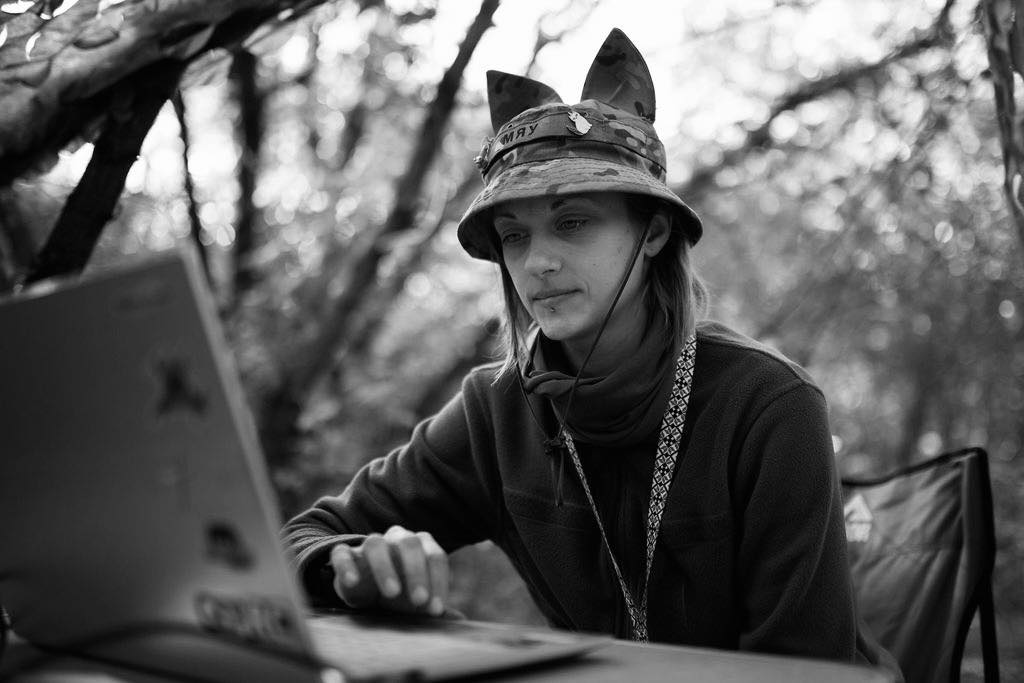
Kateryna Troian, track athlete, 32. Troian trained under coach Iryna Pustovoiit alongside Ukrainian high-jump stars Yuliia Levchenko and Iryna Herashchenko. After the invasion, she volunteered, then enlisted in the 82nd Separate Airborne Assault Brigade in spring 2024. Known by her callsign Meow, she completed over a thousand combat drone sorties in Vovchansk, and on the Kursk and Pokrovsk fronts. She also reprogrammed drones and soldered equipment, using her IT background to help older comrades with technology. Troian was killed on 5 June 2025 on the Pokrovsk front.
Dmytro Sharpar, figure skater, 25. Sharpar was Heraskevych's teammate at the 2016 Youth Olympics in Lillehammer, Norway, where he placed tenth in pairs skating with Anastasiia Pobizhenko. The pair also won silver at the Ukrainian championships. After his competitive career, Sharpar worked as a performer in the Grand ice show. He died fighting near Bakhmut in Donetsk Oblast.
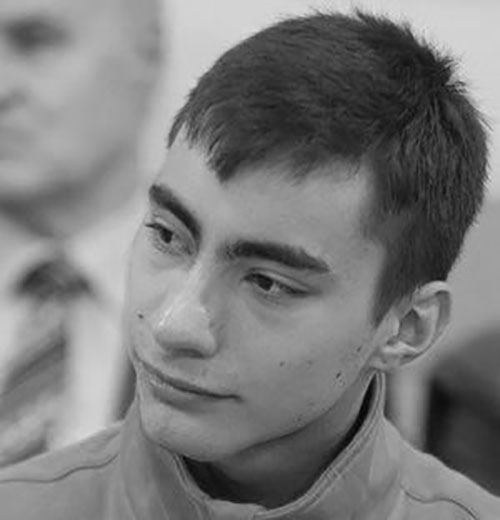
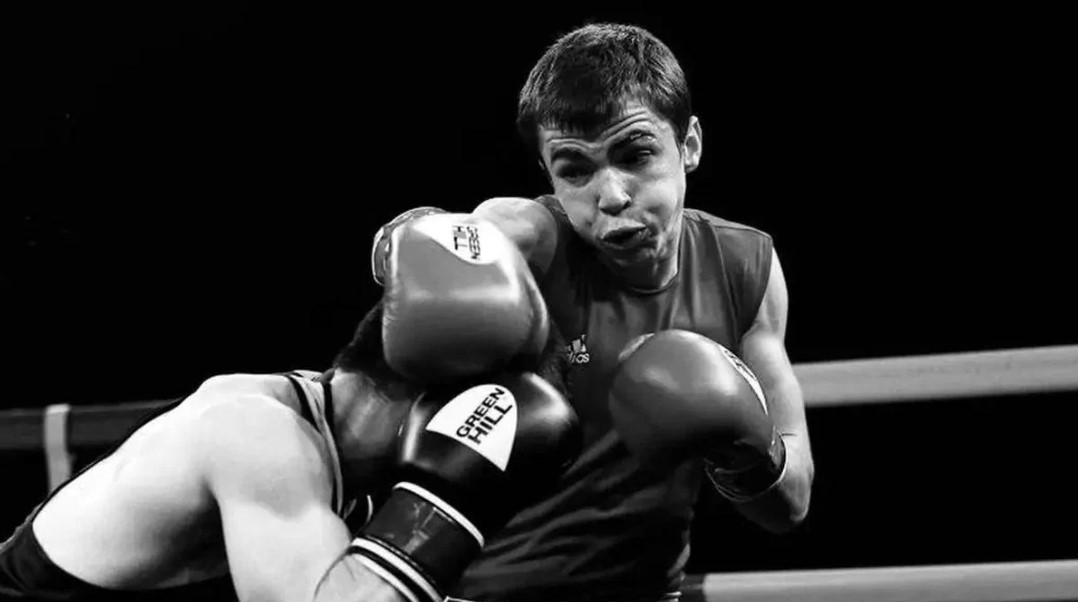
Maksym Halinichev, boxer, 22. Halinichev won gold at the 2017 European Youth Championships, silver at the 2018 Youth Olympics, and second place at the 2021 European Under-22 Championships. In spring 2022, he turned down the European Championships and volunteered for the airborne assault forces. He was wounded twice but returned to the front each time. Halinichev died on 10 March 2023 near Chervonopopivka in Luhansk Oblast.
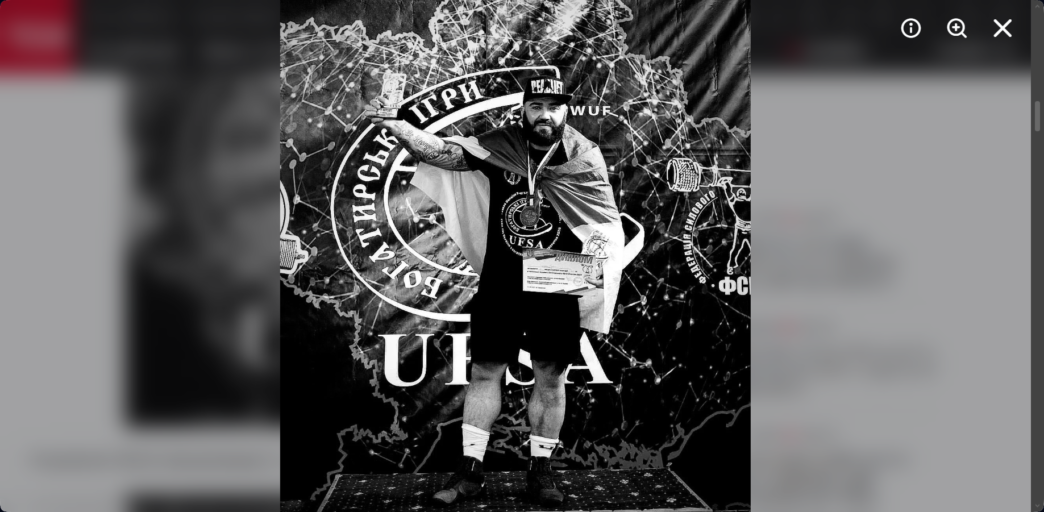
Pavlo Ishchenko, strongman, four-time champion of Ukraine. A world and European champion in powerlifting, Ishchenko became a legend in Ukrainian strongman athletics. After the full-scale invasion, he enlisted but never stopped competing. He won the title of Ukraine's strongest man four consecutive years, from 2022 through 2025, while serving on the front. He died in combat.
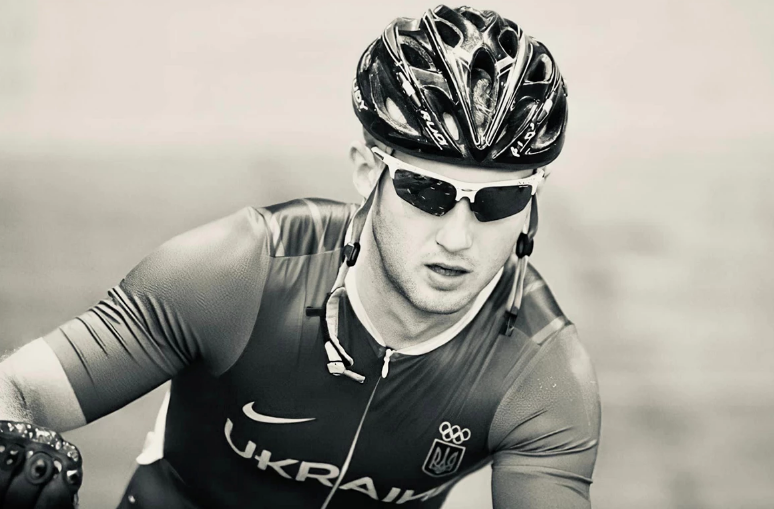
Andrii Kutsenko, cyclist, 34. Kutsenko represented Ukraine on the national cycling team for a decade, competed at European and world championships, and held the title of International Master of Sport. He was living in Italy when Russia launched its full-scale invasion and immediately returned to enlist. He served in the 47th Separate Mechanized Brigade Magura and fought on the most active front sectors for over two years. He died in his last battle on 3 July 2024.
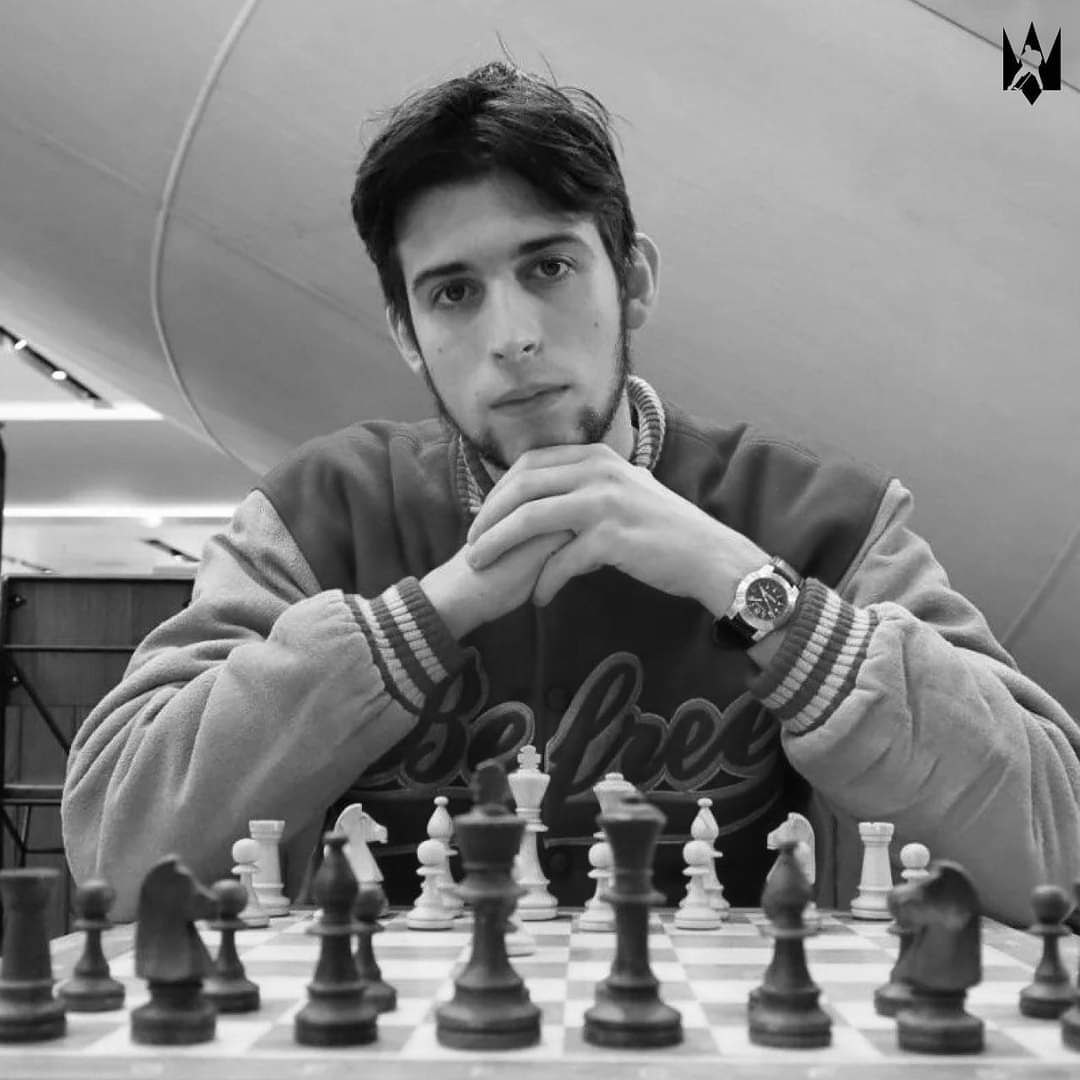
Oleksii Loginov, hockey player, 23. Loginov started in the Sokil Kyiv hockey school and won bronze at Ukraine's U17 championship in 2015. He later earned gold in Ukraine's youth league and bronze in the adult league. Loginov graduated from the Taras Shevchenko National University of Kyiv and worked as a geography teacher. He volunteered for the National Guard after the full-scale invasion. On 8 November 2023, in the Sievierodonetsk district of Luhansk Oblast, Loginov ran to help a wounded comrade when an artillery shell exploded nearby. He died days before his 24th birthday.
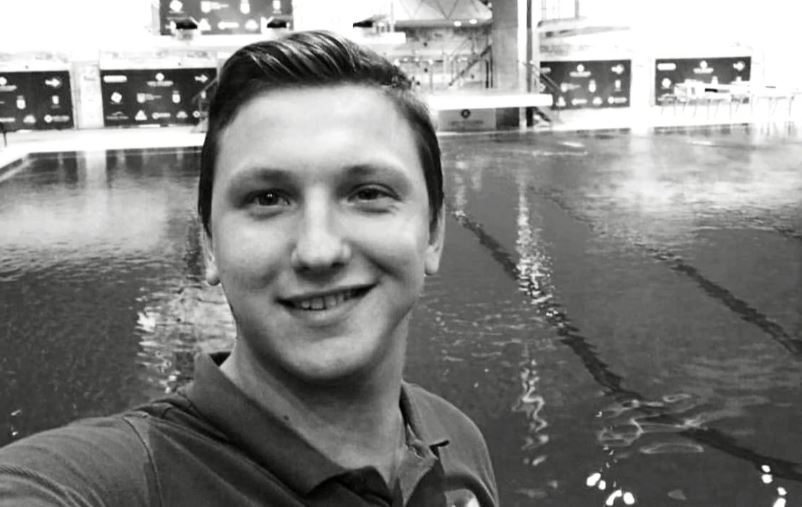
Mykyta Kozubenko, diver, 31. A Master of Sport from Mykolaiv, Kozubenko worked as a diving coach after graduating from Petro Mohyla Black Sea State University. He joined the National Guard and died in combat on the front line.
Roman Polishchuk, high jumper. A track and field athlete trained by renowned coach Iryna Pustovoiit, Polishchuk volunteered from the first days of the invasion. He served in the 206th Battalion of the 241st Brigade on the Bakhmut front, where he was killed.
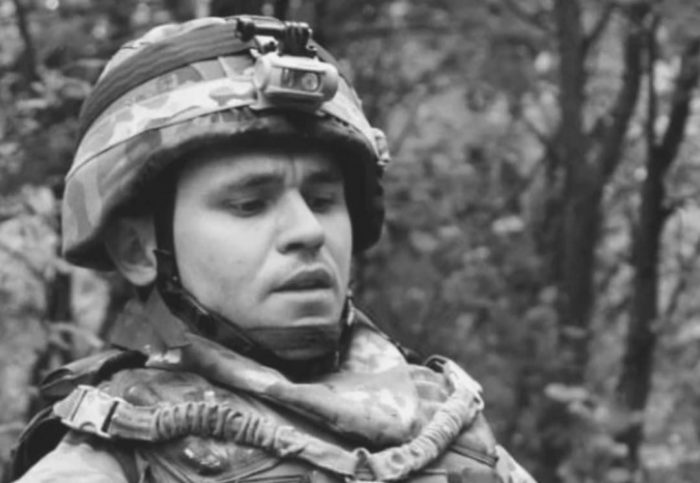
Andrii Yaremenko, Greco-Roman wrestler, 25. A multiple medalist at Ukrainian championships and Cups, Yaremenko competed on the national team and placed 10th at the World Cadet Championships. He held a master's degree in physical education from Zhytomyr's Ivan Franko State University. Mobilized in 2025, he served as a drone operator in the 115th Separate Brigade of the Territorial Defense Forces on the Zaporizhzhia front. He died on 4 December 2025, nine days before his 26th birthday.
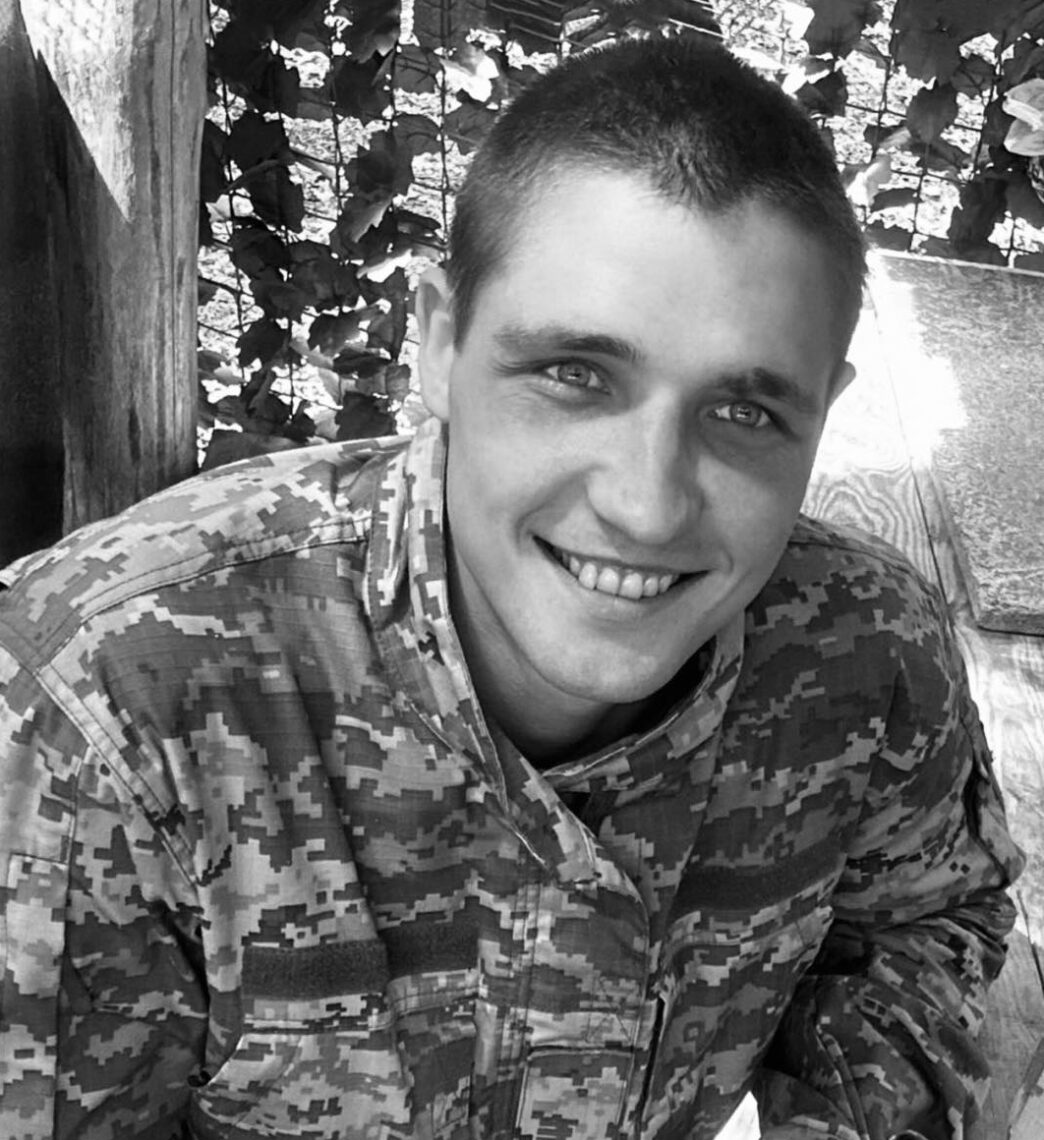
Taras Shpuk, veteran sports coach and trail runner, 34. An active participant in the Revolution of Dignity, Shpuk volunteered to fight in 2014. From 2019, he worked at the Come Back Alive foundation, where he co-founded the veterans' department and built Ukraine's veteran sports movement from scratch. Shpuk served as a long-time coach of Ukraine's teams at the Invictus Games and Warrior Games, became the country's first wheelchair basketball and wheelchair rugby coach, and organized mountain treks for veterans with disabilities. In November 2023, Shpuk returned to military service and joined military intelligence. He died carrying out a special operations mission.
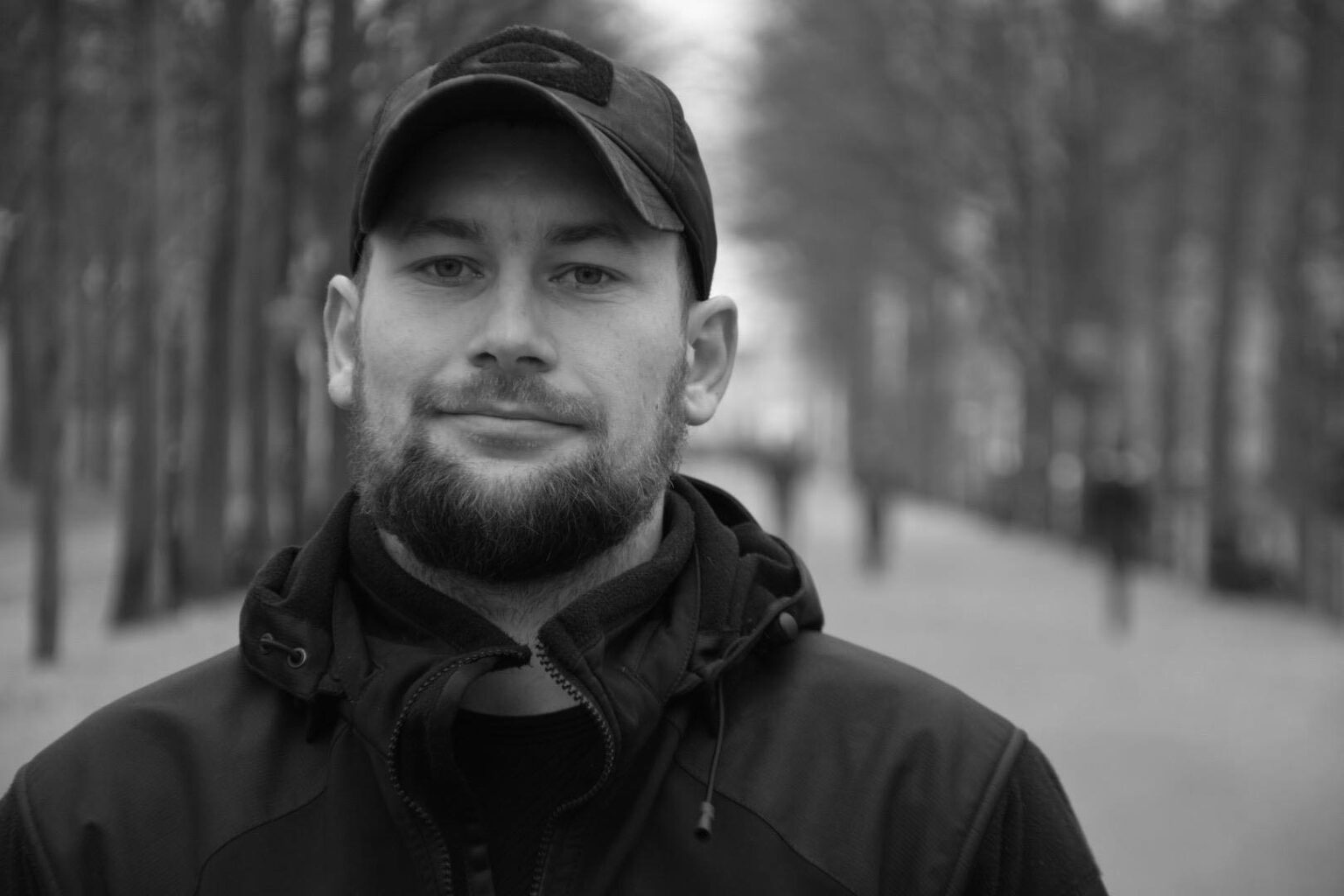
Fedir Yepifanov, fencer, 19. Yepifanov was a Ukrainian champion in foil fencing, a Master of Sport, and reached the top 16 at the 2021 World Cadet Championships in Cairo. He was studying at the Piddubny Olympic Vocational College. When the full-scale invasion began, 18-year-old Yepifanov swapped his foil for a weapon and enlisted. He died on 13 December 2023.
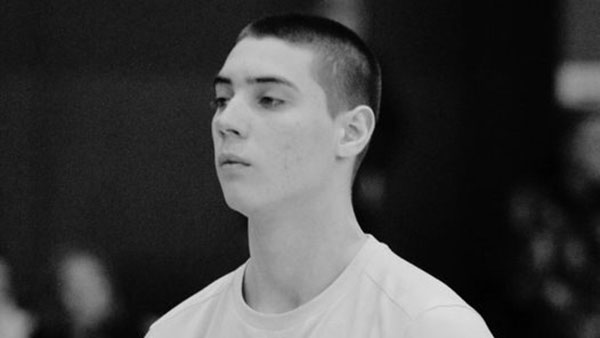
Volodymyr Androshchuk, decathlete, 22. Androshchuk represented Ukraine at the 2018 European U18 Championships in the decathlon and the 2020 European U20 Championships, where he placed sixth in the modern pentathlon. He won the 2019 Ukrainian U20 decathlon championship. He volunteered to fight and served on the Bakhmut front. His death was reported on 25 January 2023.
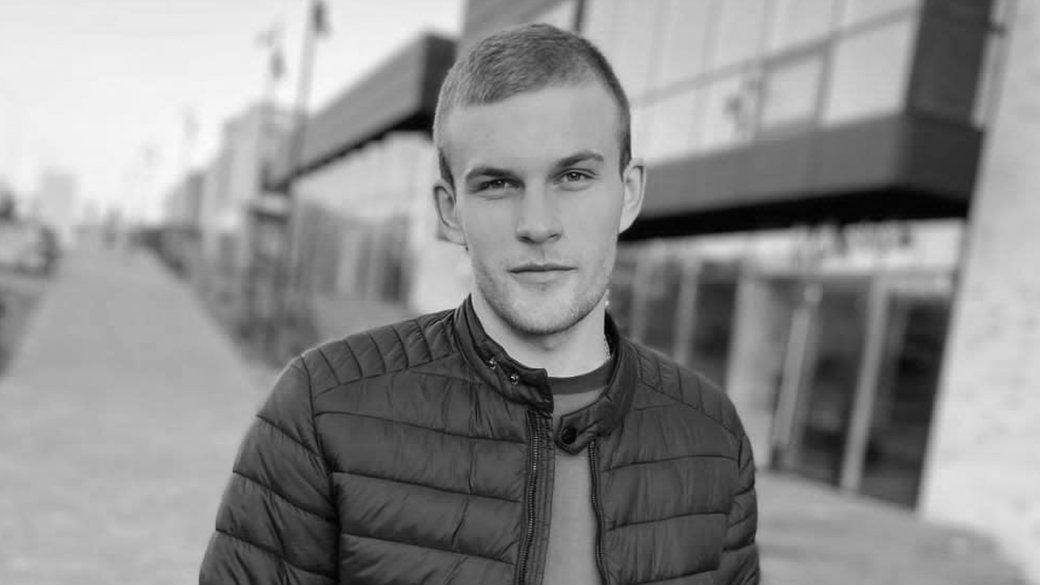
Oleksii Khabarov, sport shooter, International Master of Sport. From Horishni Plavni, Khabarov set the national record in 10-meter air rifle shooting with 248.5 points in 2017. He won multiple national championships, competed internationally, and as recently as November 2024 took silver at a tournament in Romania. Khabarov also founded the Feniks shooting club, training the next generation of athletes. In August 2023, he joined Ukraine's Defense Forces. He was killed in Donetsk Oblast.
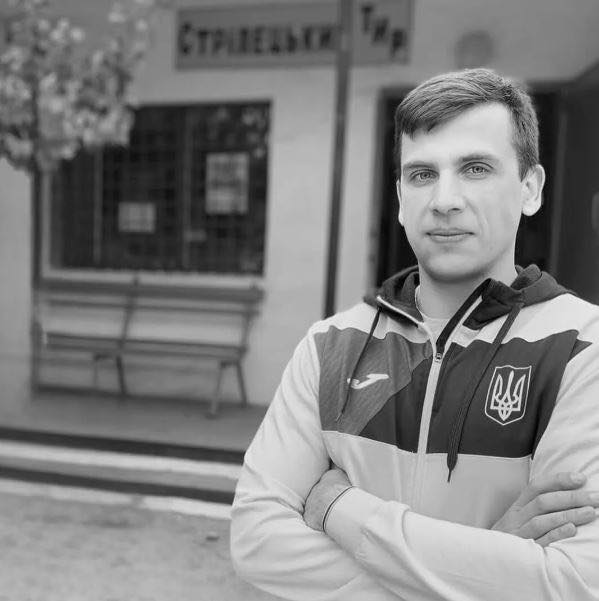
Ivan Kononenko, actor, strongman, and veterinarian, 41. Kononenko competed in strongman events on Vasyl Virastiuk's team and practiced cold-water swimming. On 24 February 2022, day one of the full-scale invasion, he joined Kyiv's Territorial Defense. He was severely wounded in November 2022, but developed his own rehabilitation program and recovered against doctors' predictions. Kononenko reenlisted, became a senior lieutenant, and led an infantry platoon. He went missing on 16 November 2024 during fighting in Kursk Oblast of Russia. His remains were recovered and returned; he was buried in Kyiv on 9 December 2025.
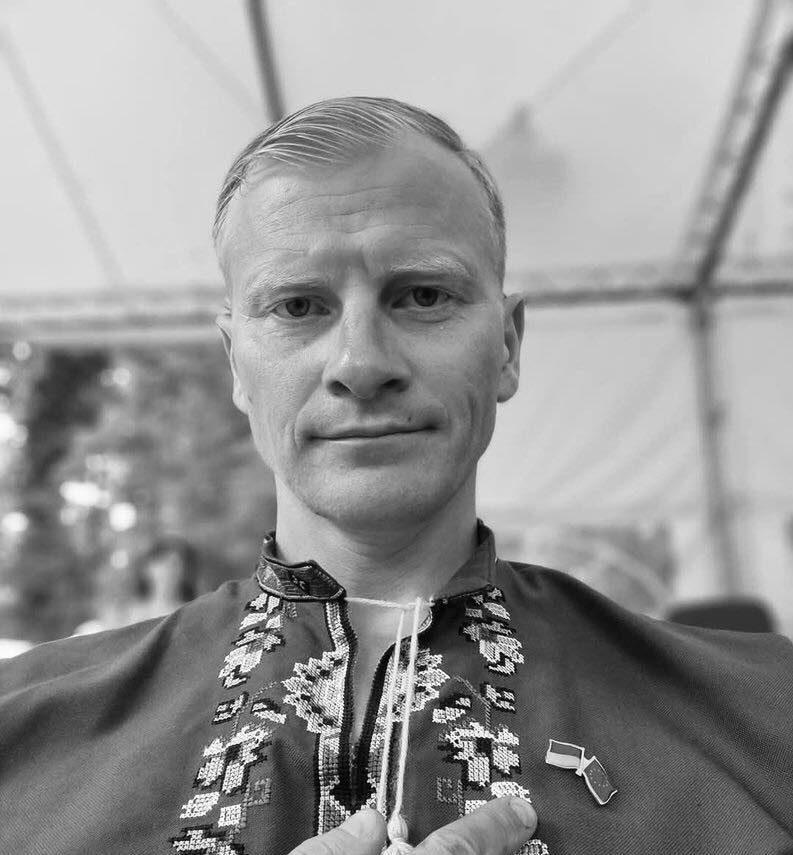
Heraskevych said he was satisfied with the two-and-a-half-hour hearing at the Court of Arbitration for Sport on 13 February but does not plan to return to Cortina even if the ruling goes in his favor, saying,
"They threw away my Olympic dream, then took my accreditation, then would give it back — for me, this is theft," Vladyslav said.


