


Ukrainian hackers and volunteer OSINT analysts say they have disrupted Russian attempts to bypass restrictions on Starlink satellite internet, according to a statement from InformNapalm.
Starlink terminals had previously provided Russian forces with reliable communications across frontlines, but technical and access restrictions imposed by operator SpaceX and Ukrainian authorities limited military use in February.
Fake activation channels turned into intelligence trap
Russian personnel reportedly sought Ukrainian civilians willing to register terminals on their behalf for small cryptocurrency payments in an effort to restore connectivity.
Ukrainian cyber specialists, working with volunteers from 256 Cyber Assault Division and MILITANT, set up channels and automated bots that appeared to offer activation services. The operation collected information on Russian units and terminals, rather than enabling access.
2,400 data packages gathered in one week
Within a week, the groups said they gathered more than 2,400 data packages on Russian-operated Starlink terminals, documented dozens of contacts from collaborators, and received nearly $6,000 in cryptocurrency from Russian personnel attempting to restore connectivity.
InformNapalm said all technical data was passed to Ukrainian authorities, and identified terminals were permanently disabled.
The Ukrainian teams said the operation demonstrates the risks Russian forces face when attempting to bypass restrictions, exposing locations, networks, and personnel.
All figures and claims are based on statements from InformNapalm and the collaborating volunteer groups and have not been independently verified.
Why Russian forces turned to workarounds
The sting operation comes as Russian forces scramble to restore connectivity after SpaceX and Ukraine's Defense Ministry blocked unauthorized Starlink terminals across the front in early February.
Defense Minister Mykhailo Fedorov introduced a "whitelist" system that shut down all unregistered terminals, and adviser Serhiy Beskrestnov called the result a "catastrophe" for Russian forces, saying command and control had collapsed in many areas.
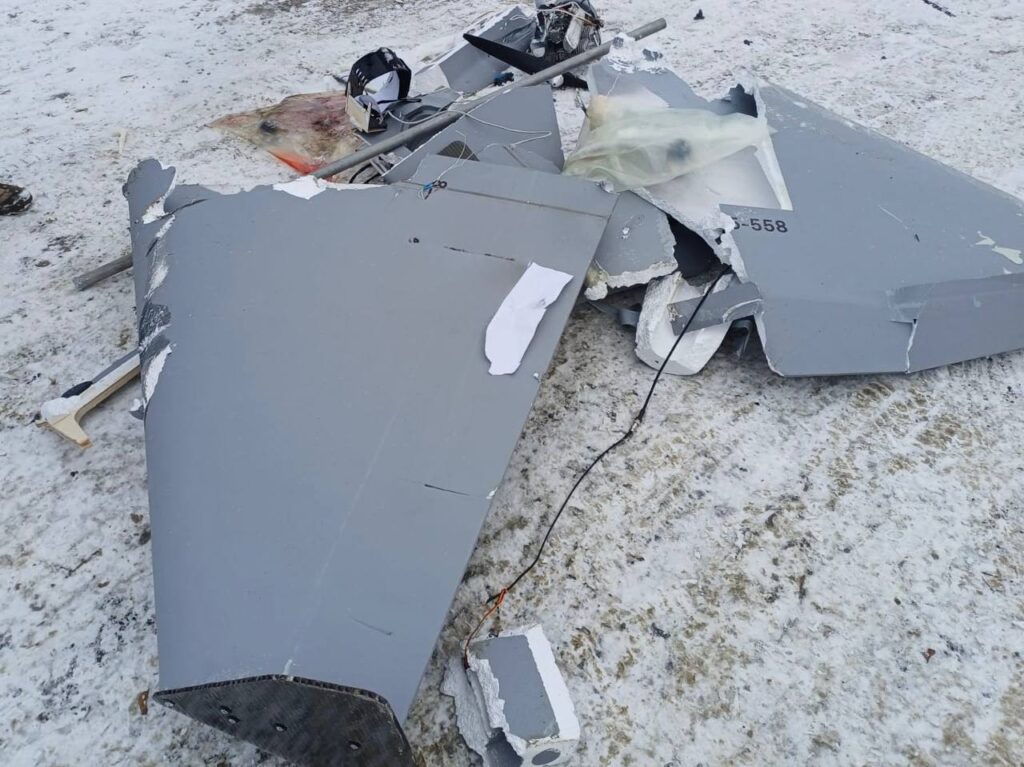
Starlink-equipped drones prompted crackdown
The crackdown followed a surge in Russian use of Starlink-equipped attack drones, including a strike on a passenger train in Kharkiv Oblast on 27 January that killed six people.
Starlink terminals made those drones nearly immune to Ukrainian electronic warfare, operating at frequencies far above conventional jamming range.
Read also
-
Ukraine is rewriting the world’s only playbook for stopping 800 drones a night
-
SpaceX begins blocking Russian drones exploiting Starlink over Ukraine
-
How Starlink made Russia’s drones deadlier—and harder to jam
-
FPV drones get all the attention. Ukraine’s reusable heavy bombers are doing the real killing


