

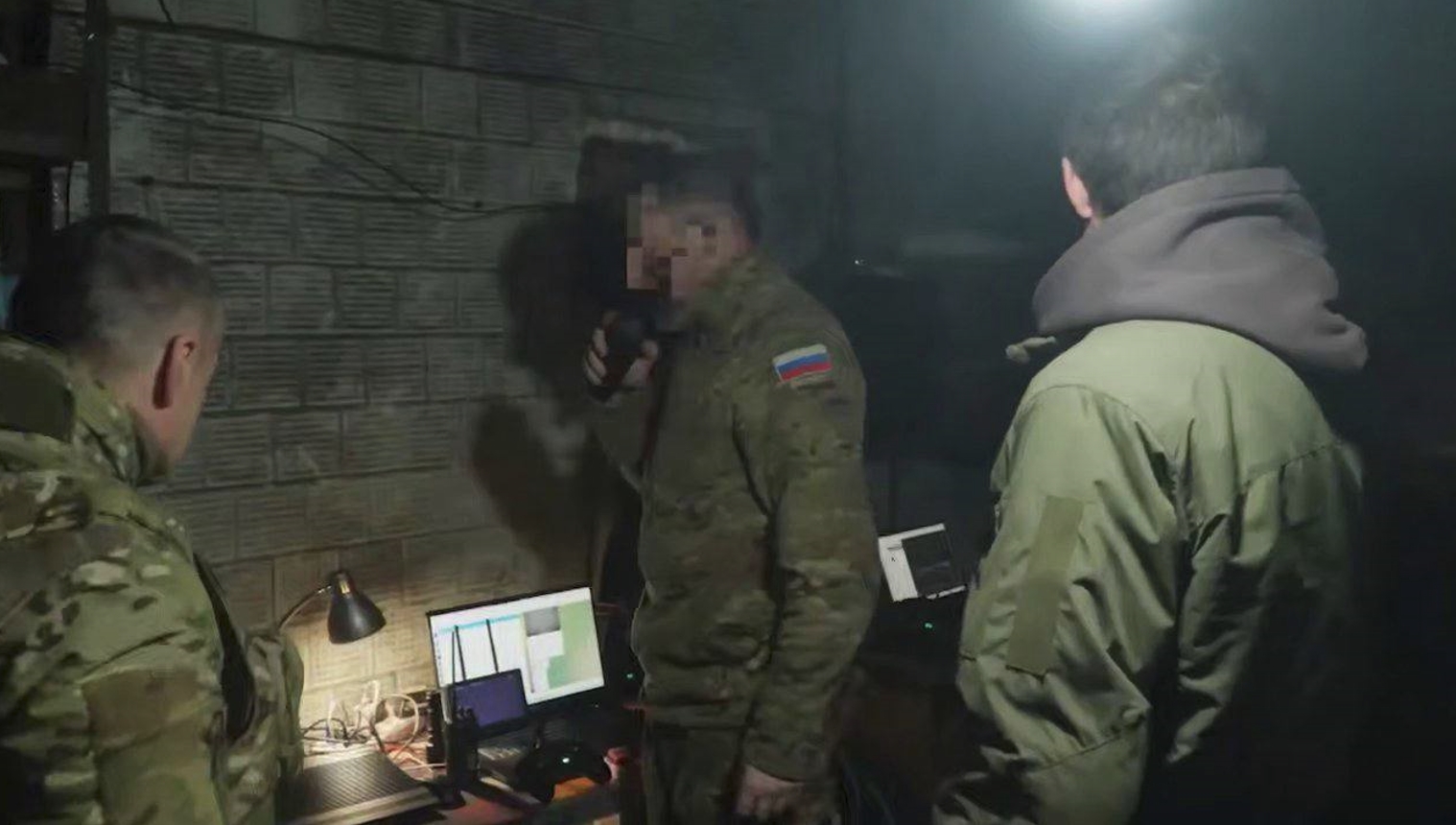
Russia's throttling of Telegram is disrupting its own military's battlefield coordination, with occupying forces warning that intelligence relay times have ballooned from minutes to hours, Russian milbloggers said. The slowdown compounds existing communication problems after Russian troops recently access to Starlink internet — which also cut off their use of Discord, since they relied on Starlink to bypass Russia's own block of the platform —stripping away yet another pillar of the communication infrastructure their frontline operations depend on.
Drone intelligence goes stale before it reaches gunners
A Russian military blogger described a concrete scenario showing how the Telegram throttling wrecks their fire-response chain, Militarnyi reports. A reconnaissance drone spots a moving target and relays the data to operational officers within a minute. Without Telegram, that same information must travel through internal military chain of command and control — first to a unit commander, then to an intelligence command post, then onward to other units for fire missions, and back again through the same chain.
"In the best case, information will take several hours to transmit instead of 1-2 minutes via Telegram," the Russian milbloggers complain, according to Militarnyi.
The problem is not just speed. Reconnaissance data loses relevance within 10-15 minutes, Russian forces say, rendering fire strikes pointless by the time orders reach the gunners. With Telegram, operational officers communicated directly, and response to a target took mere seconds.
A rollback "to the beginning of the war"
Russian Telegram channel Arkhangel Spetsnaza warned that the throttling could destroy established communication channels. Russian users began reporting widespread Telegram disruptions on 9 February. The Kremlin is using the restrictions to push citizens toward MAX, a state-controlled messaging app.
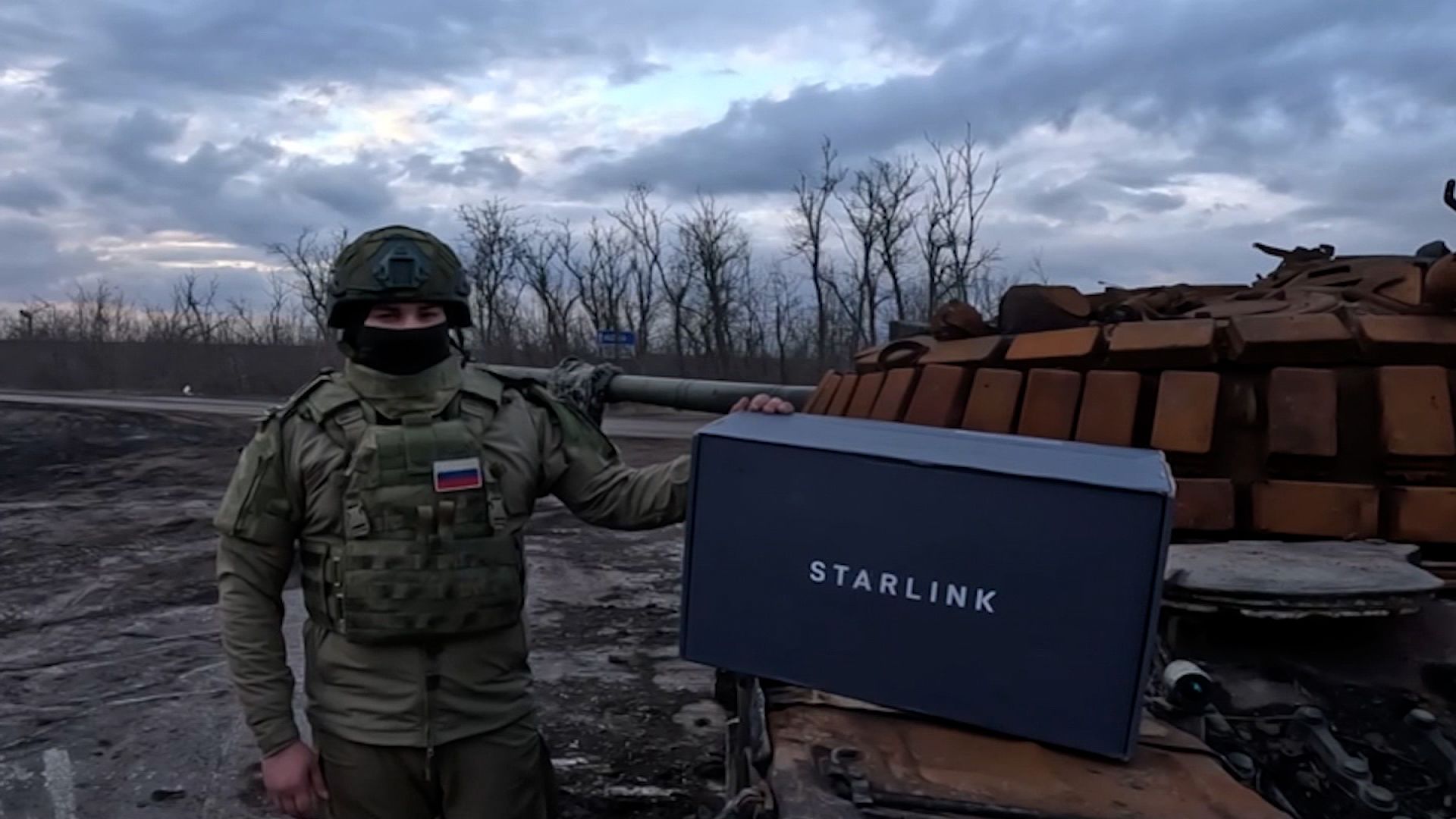
Russia used Starlink in strike drones that reached Kyiv. SpaceX’s response collapsed entire command systemic
The state-induced issues with Telegram compounds the earlier Starlink shutdown for the Russian forces on 5 February, who had been illegally using the satellite internet network in Ukraine. Without Starlink-provided internet at frontline positions, intelligence transmission had already slowed. Telegram's throttling adds another layer of delay at the command level.
"To a significant degree, this will roll us back several years — approximately to the beginning of the war. Alternative methods are already being developed, but restoring effective coordination will take a long time," the Russians stated.
Trending Now
Russian forces have built their frontline communication system largely on platforms beyond the Kremlin's control. Starlink, an American satellite system, provided internet between headquarters at the front. Discord — another American platform Russia officially blocked in 2024 — carried video feeds and real-time coordination. And Telegram, though created by Russian-born Pavel Durov, operates allegedly outside Russia's jurisdiction. The Russian military ran all three.
Kremlin denies reality, milbloggers push back
Kremlin spokesperson Dmitry Peskov stated on 11 February that he "cannot imagine" Russian forces use Telegram or other messenger platforms for frontline communications, ISW reports. State Duma Defense Committee Chairperson Andrei Kartapolov similarly claimed Russian forces "minimally" use Telegram during combat operations.
Russian milbloggers accused both officials of lying or not understanding how the military actually operates. One questioned whether Kartapolov receives "distorted" reports about the frontline situation, ISW notes. The milbloggers had already complained about Roskomnadzor's throttling on 9 and 10 February, warning it would have serious implications for Russian command and control. The Kremlin's attempt to respond only triggered further criticism.
"The milbloggers’ widespread criticisms highlight how the Kremlin is trying to balance its longer-term censorship objectives, including a possible full block on Telegram in the future, with the need to avoid domestic backlash," ISW wrote.


