

Russia is openly expressing dissatisfaction with the US, according to Newsweek. It comes despite the fact that during President Donald Trump’s new term, the US has not provided Ukraine with a single military aid package.
The trigger was sanctions imposed on Rosneft and Lukoil, introduced amid a rise in Russian attacks on Ukrainian civilian infrastructure — attacks that have not decreased but, on the contrary, intensified during the so-called peace initiatives of the White House.
“A continuation of Bidenism”
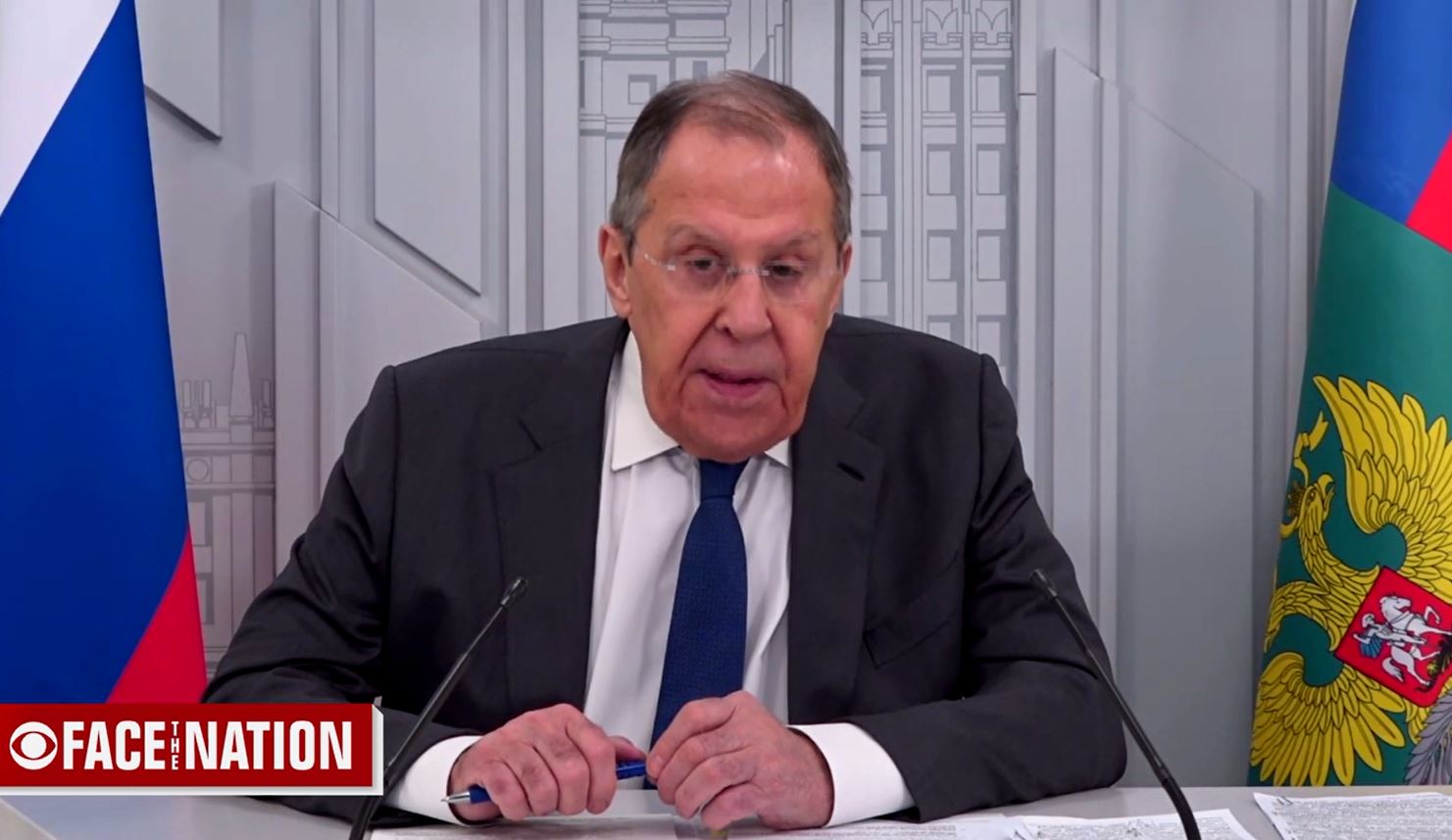
Russian Foreign Minister Sergey Lavrov, in his interview with TV BRICS, has accused the US of continuing a course that Moscow labels “Bidenism.” According to Lavrov, Washington’s actions allegedly contradict agreements reached during the Trump–Putin summit in Anchorage, Alaska, in August 2025.
Notably, after that meeting, which included a red-carpet reception for Russian President Vladimir Putin, a gesture condemned by many politicians and activists worldwide, the sides reached no decisions capable of stopping Russian aggression or bringing the war closer to an end. The war has now lasted for more than 12 years, since the annexation of Crimea in 2014.
Lavrov: Russia doesn't care what Ukraine and Europe think
Lavrov has openly stated that Ukraine’s position and the views of European countries are irrelevant to the Kremlin.
"What mattered to us was the position of the United States," he said when commenting on the negotiations.
According to the Russian foreign minister, by accepting US proposals in Anchorage, Moscow allegedly believed it had fulfilled its “task” of “resolving the Ukrainian issue” and could move on to broad, mutually beneficial cooperation with Washington.
Sanctions, tankers, and pressure on partners: what exactly angered the Kremlin
According to Lavrov, reality turned out to be the opposite of Moscow’s expectations. Instead of lifting restrictions, the US imposed new sanctions, increased pressure on Russian oil tankers, and, as the Russian side claims, is effectively waging a “war against shipping” on the high seas.
Lavrov has separately mentioned pressure on India and other Russian partners, whom the US is persuading to abandon purchases of discounted Russian energy resources.
He has also accused Washington of seeking economic dominance, using tariffs and coercive measures that, in the Kremlin’s view, have nothing to do with “fair competition.”
Oil as leverage: blow to India is painful
One of the most sensitive decisions for Moscow was the introduction of secondary punitive tariffs on India for purchasing Russian oil during the war against Ukraine. Following this, Trump has publicly stated that New Delhi was reorienting its oil purchases toward Venezuela, depriving Russia of one of its key export markets.
Russia’s war economy, weakened by sanctions, is critically dependent on oil and gas revenues and is balancing amid rising inflation and high interest rates. To a large extent, it has been sustained by purchases from China, making any changes in energy logistics extremely painful for the Kremlin.
Carrot without results: US pressure has not stopped war
The Trump administration has combined sanctions pressure with promises of future economic cooperation in an attempt to push Russia toward ending the war. Potential US investments became the very “carrot” that Washington has shown Moscow alongside financial restrictions.
However, even this combination has failed to produce results. The war against Ukraine continues, and Kremlin irritation is only growing, despite concessions, symbolic gestures, and the absence of direct US military support for Kyiv.


