


- Ukraine has the drone edge close to the front line
- But Russia may have the advantage deeper behind the front
- Russian deep strikes threaten to unravel Ukrainian logistics
- Ukrainian drone units can't shift to the deep fight until the front line stabilizes
Ukrainian drones are everywhere all the time all along the 1,100-km front line of Russia's 47-month wider war on Ukraine. They're one of the main reasons why the Russians are struggling to advance faster than a walking pace.
But first-person-view attack drones and bigger bomber drones normally range just a few kilometers (in the case of the FPVs), and around 20 km (in the case of the bomber drones). There's another, deeper kill zone just behind this nearest kill zone—and it's here that Ukrainian drones are thinner in the air.
The balance between front-line drone strikes and deep drone strikes has become one of the war's most consequential debates—because Russia's own elite drone units are already exploiting the gap, hitting Ukrainian airfields, trucks, and trains up to 200 km behind the lines.
Why Ukraine's drone advantage stops at the front line
That's why it's so encouraging to see Ukraine's special operations forces striking with Fire Point FP-2 drones that range as far as 200 km. A recent video montage depicts the FP-2s blasting Russian supply depots, maintenance centers, and troop staging areas in southern Ukraine's Zaporizhzhia Oblast, tens of kilometers behind the front line.
1/5 Ukrainian SOF strike enemy military targets in the temporarily occupied territories of Ukraine! pic.twitter.com/IXom00tazd
— SPECIAL OPERATIONS FORCES OF UKRAINE (@SOF_UKR) February 3, 2026
Yes, killing Russian infantry along the line of contact is important. But degrading Russian logistics is important, too. Ukraine's FPV and bomber drone teams focus on the former, while units operating deep-strike drones such as the FP-2 focus on the latter.
But the recent FP-2 raids belie an uncomfortable truth for the Ukrainians. A few dramatic FP-2 strikes don't change the fact that FPV and bomber drone units are getting the lion's share of resources as Ukrainian commanders scramble to stabilize the front line.
The balance between the two efforts—front-line drone strikes and deep drone strikes—is the topic of heated debate among Ukrainian commanders and friends of a free Ukraine.
Ryan O'Leary, an American who once led a volunteer company fighting for Ukraine, worries that Ukrainian leaders are effectively handing Russia the drone advantage in the deep logistical zone.
"The drone war is not about the number of killed today," O'Leary wrote. "It is about controlling the space tomorrow. Ownership of the depth means control of movement, logistics, [surveillance], communication, and decisions in the sector, not just in the trench."
"Ukrainian drones are still optimized for destroying infantry, not for changing sectors," O'Leary stressed. "This creates cool videos, but delivers weak strategic effect."
Rubicon raids
Trending Now
By contrast, Russia's own elite drone units—most infamously, the Rubicon (also spelled Rubikon) group—"is doing the opposite," O'Leary explained. Russian deep-strike drones range across the logistics zone, striking Ukrainian trucks, trains, and airfields. Rubicon recently posted a video montage depicting strikes on Ukrainian airfields as far as 200 km from the front line.
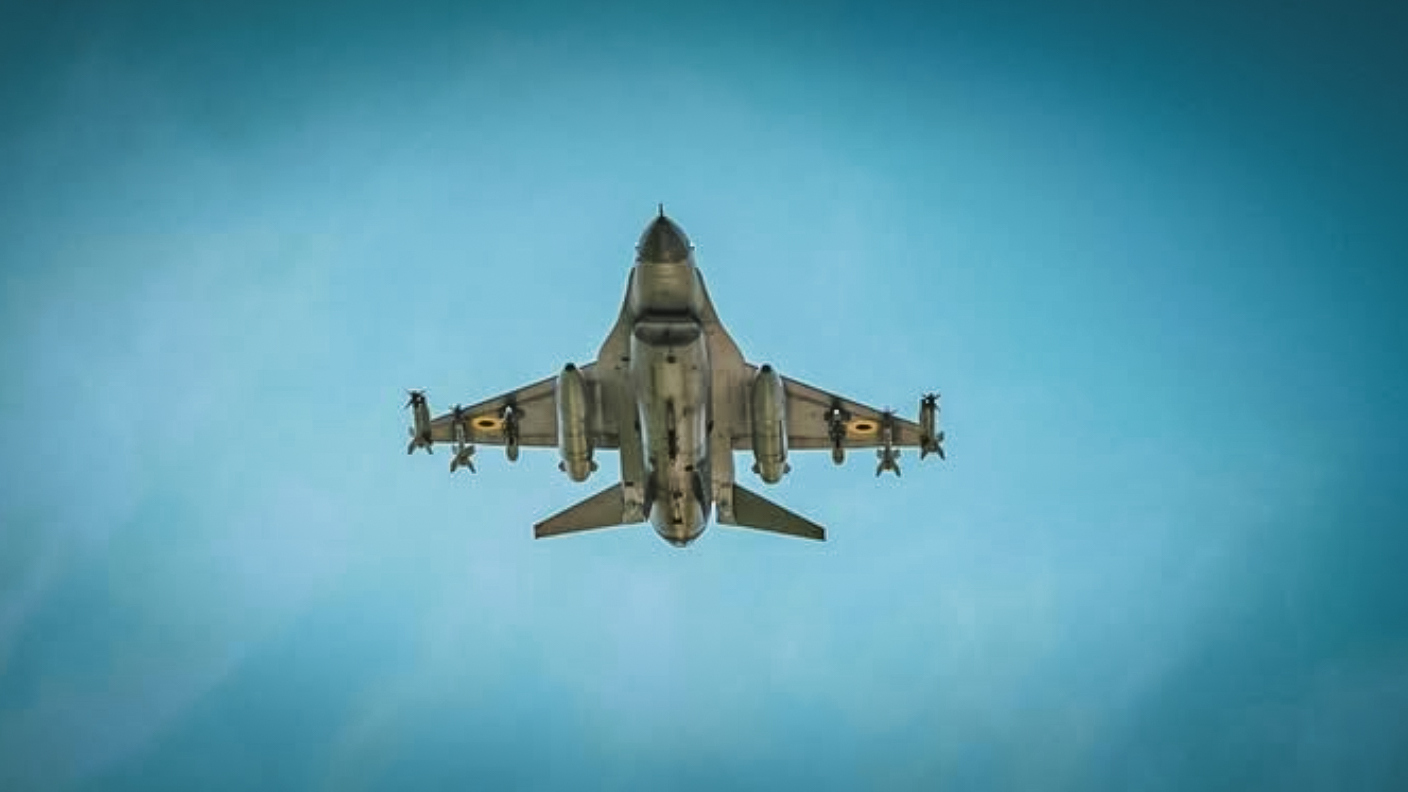
The aircraft Rubicon's BM-35 drones struck, including at least one Lockheed Martin F-16, may have been unflyable decoys. But the apparent ease with which Rubicon's drones flew so far into the Ukrainian rear area should worry Ukrainian commanders—and inspire them to strike back harder with FP-2s and similar drones.
Soldiers can't fight without supplies, and can't fight well without air support. Deep strikes can deny them both. "Operational depth decides the war," O'Leary noted.
The infantry shortage keeping drones close
Robert Brovdi, the commander of Ukraine's Unmanned Systems Forces, doesn't deny that his drones are concentrated close to the front. But he insists he's just responding to the most urgent operational needs. It's no secret that the corps overseeing the defense of front-line cities are desperately short of trained infantry—and depend on FPV and bomber drones to plug gaps in their lines.
For that reason, "no corps commander ... is prepared to release USF operations to the proper depth," Brovdi explained. So while some Ukrainian special operators are striking Russian logistics deep behind the front line, the bulk of Ukraine's drones are still busy with the near fight.
The same manpower shortage that keeps Ukraine's drone operators close to the line of contact is preventing those operators from hitting the Russians where it hurts the most: along their supply lines.
Ironically, people might be the solution to Ukraine's drone problem. A big influx of fresh infantry could free up the drones to strike deeper and harder behind Russian lines.
1/5 Ukrainian SOF strike enemy military targets in the temporarily occupied territories of Ukraine! pic.twitter.com/IXom00tazd
— SPECIAL OPERATIONS FORCES OF UKRAINE (@SOF_UKR) February 3, 2026


