

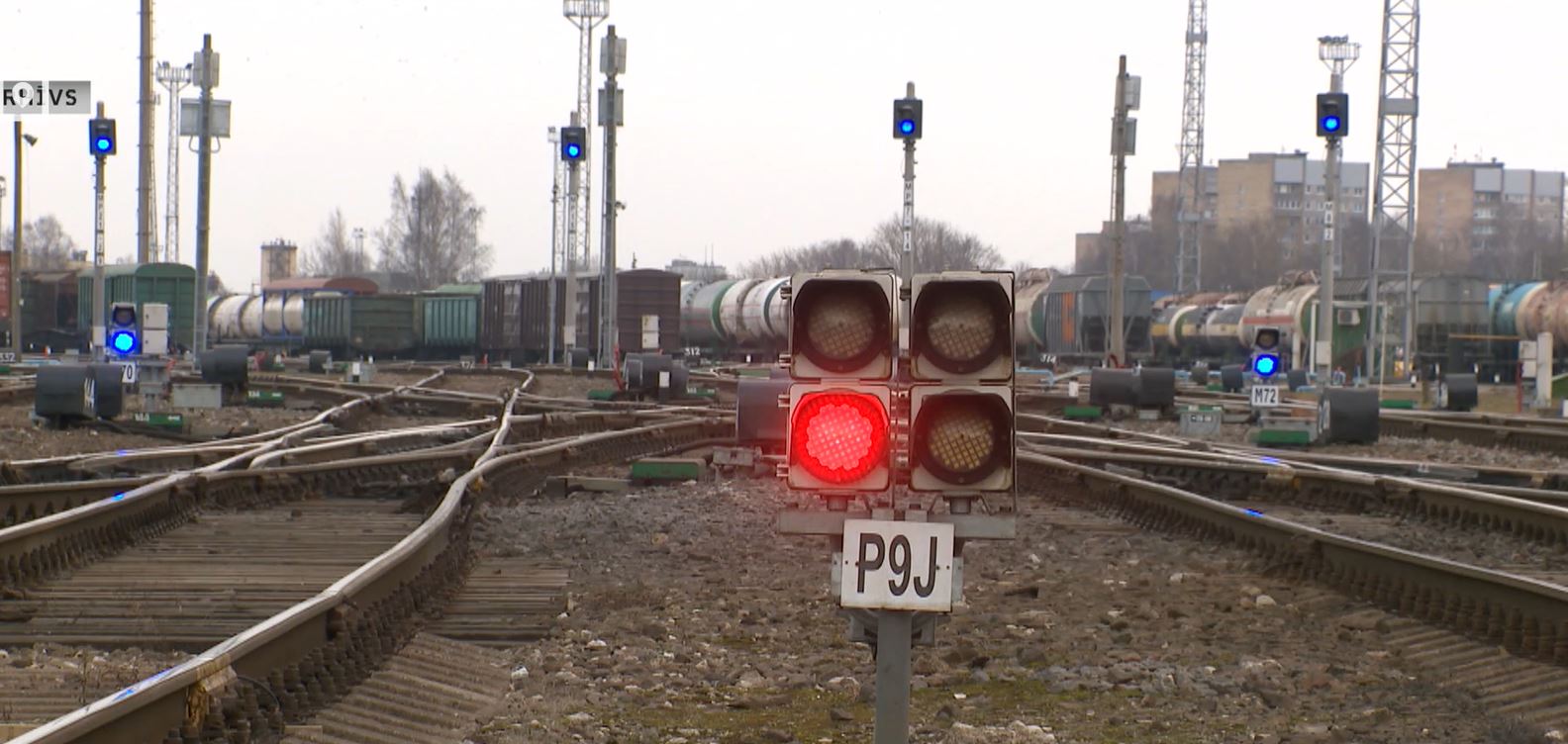
Latvia, a small Baltic nation on NATO's northeastern flank, is preparing a detailed contingency plan to immediately dismantle roads and railways near its eastern border if military threats from Russia escalate, the country's defense minister said on 28 January, according to LSM. Minister Sprūds declared that "no invader's military railcar will travel on Latvian territory," while PM Siliņa stressed that any peacetime decision on dismantling infrastructure would require a joint decision with other Baltic States.
Military Council pushes for rapid elimination of rail links
According to the public broadcaster LSM, the country's Defense Minister Andris Sprūds said on Latvian television that both the Military Council and Transport Ministry have submitted consolidated information on the issue. He confirmed that if military threats increase, Latvia will not rule out demolishing roads and railways connecting the country to Russia.
Representatives of Latvia's National Armed Forces have made their position unambiguous in closed government sessions. Railway tracks and embankments near the Russian border should be eliminated as soon as possible. Latvian and foreign military analysts consider the existence of these rail connections the most direct security risk.
PM says railways must become a defense tool
Latvian Prime Minister Evika Siliņa confirmed the government's direction after meeting with President Edgars Rinkēvičs on Wednesday. Citing the Military Council's assessment, she said "the idea is to find a way" to avoid burdening the National Armed Forces if the security threat level rises. Siliņa explained that the government wants to equip railway operators with the capability to dismantle infrastructure in a crisis, turning them into a defense tool alongside the military. However, the PM stressed that advancing this issue during peacetime requires a joint decision with Baltic states and international partners.
Lithuania exposes GRU sabotage network that targeted factories in four NATO countries – Reuters
President Rinkēvičs emphasized that Latvia views its eastern border security comprehensively. The approach encompasses not just railway tracks but also roads and anti-mobility measures the Defense Ministry is implementing. He noted that an agreement already exists among Baltic states to make any decision on potential rail dismantling jointly.
Three vulnerable corridors identified
Two railway corridors connect Latvia to Russia. The Rēzekne II–Zilupe–border line continues toward Pitalovo and Moscow. The Rēzekne II–Kārsava–border line connects the Latgale region to the Pskov direction. A third corridor, Daugavpils–Indra–border, links Latvia to Russia's ally Belarus toward Polotsk.
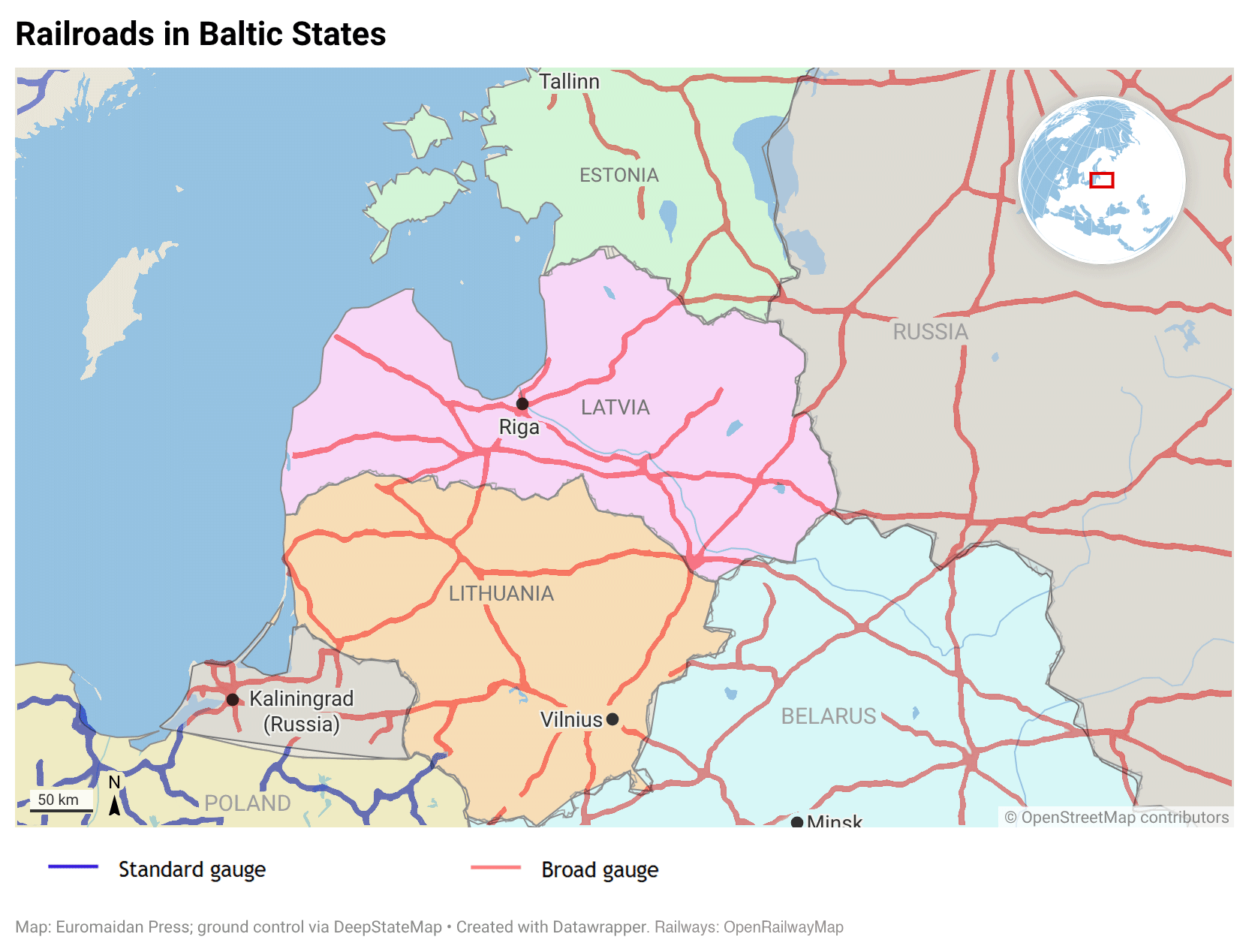
A Latvian TV program noted that one section is among the most strategically sensitive railways in the region: the track between Kārsava and the border toward Pitalovo runs directly parallel to the Russian border for kilometers.
Several ministries and security agencies had been tasked with preparing an assessment on the impact of dismantling railways near the Russian border by the end of 2025.


