

Russian aggression has changed the very nature of military threats. Even as European countries tried to build up their military capabilities to prepare for the Russian threat, this effort has proven insufficient, the Washington Post writes.
The intrusion of Russian drones into Polish airspace and the sabotage of a major railway line highlighted the inadequacy of conventional armies.
Poland as a model of Europe’s militarization, but is it the right one?
The journalists note that Poland has become a European model of militarization, actively expanding its defense capabilities in response to the Russian threat.
However, the question remains whether this form of militarization corresponds to modern, rapidly evolving risks.
“We started to prepare ourselves for a more conventional kind of war,” Polish Deputy Defense Minister Pawel Zalewski.
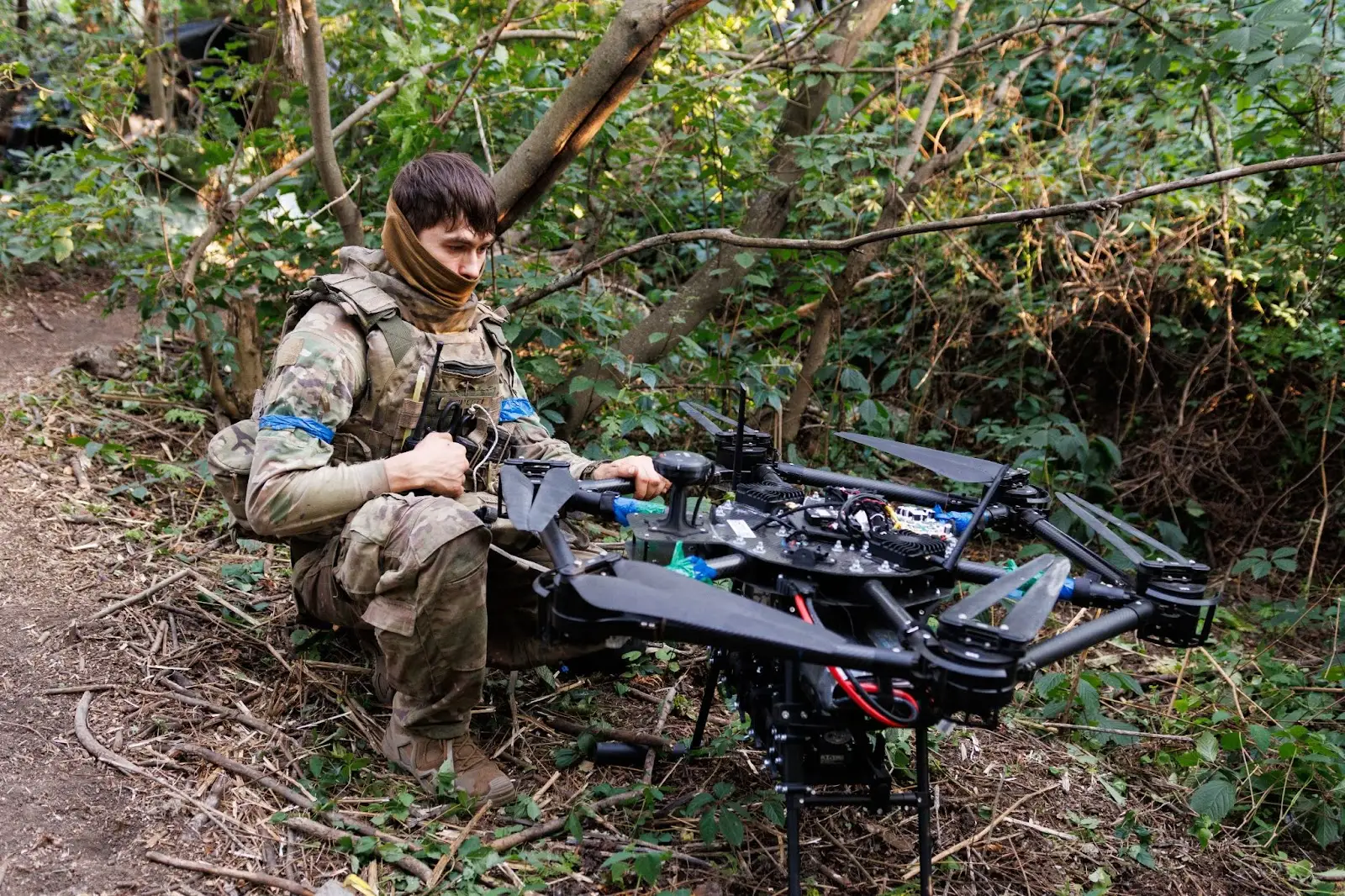
According to him, the war in Ukraine has shown that cheaper means, especially drones, can achieve decisive tactical results, often outperforming extremely expensive conventional weapons.
Russian drones over Poland: a test for NATO’s defenses
One of the most alarming signals came in September, when around 20 Russian drones violated Polish airspace. Polish forces, together with NATO, managed to shoot down only four of them in an attack that analysts viewed as a test of the Alliance’s defenses by Russian President Vladimir Putin.
By comparison, during mass attacks, Ukraine is capable of intercepting up to 500 drones in a single night. Despite this, Poland deployed its newest F-35 fighter jets, aircraft that Ukraine has not yet received, even though it is effectively carrying out the core mission for which NATO was created.
Disinformation, sabotage, and new methods of war
The situation was further complicated by the sabotage of a major railway line and a wave of disinformation on Polish social media.
Prague police investigate Ukrainian flag “installation” near anti-Ukrainian speaker’s residence
Users were pushed to believe the drones were Ukrainian, not Russian, despite the official position. According to experts, a significant portion of such posts originated from Russian actors or bots and aimed to sow internal division.
Money versus technology: Warsaw’s strategic dilemma
Experts stress that to counter new threats effectively, Poland needs not only a strategic but also a financial shift. The country is investing billions in outdated military systems that consume a large share of the defense budget.
The key question for Warsaw is how to simultaneously maintain a conventional army while transitioning to modern, flexible technologies such as drones, electronic warfare systems, and network-centric defense.
The war in Ukraine has already provided the answer: without this transformation, even Europe’s strongest armies may prove vulnerable.


