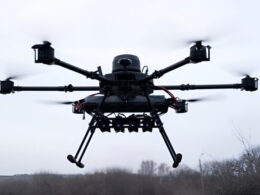

- Heat-sensing thermal drones are proliferating all along the winter front line
- To avoid detection, Russian troops are wearing any thermal camouflage they can afford
- Experimenting with toilet tents, emergency blankets, hunting ponchos and other products, troops are learning that even the silliest thermal camo is better than no camo
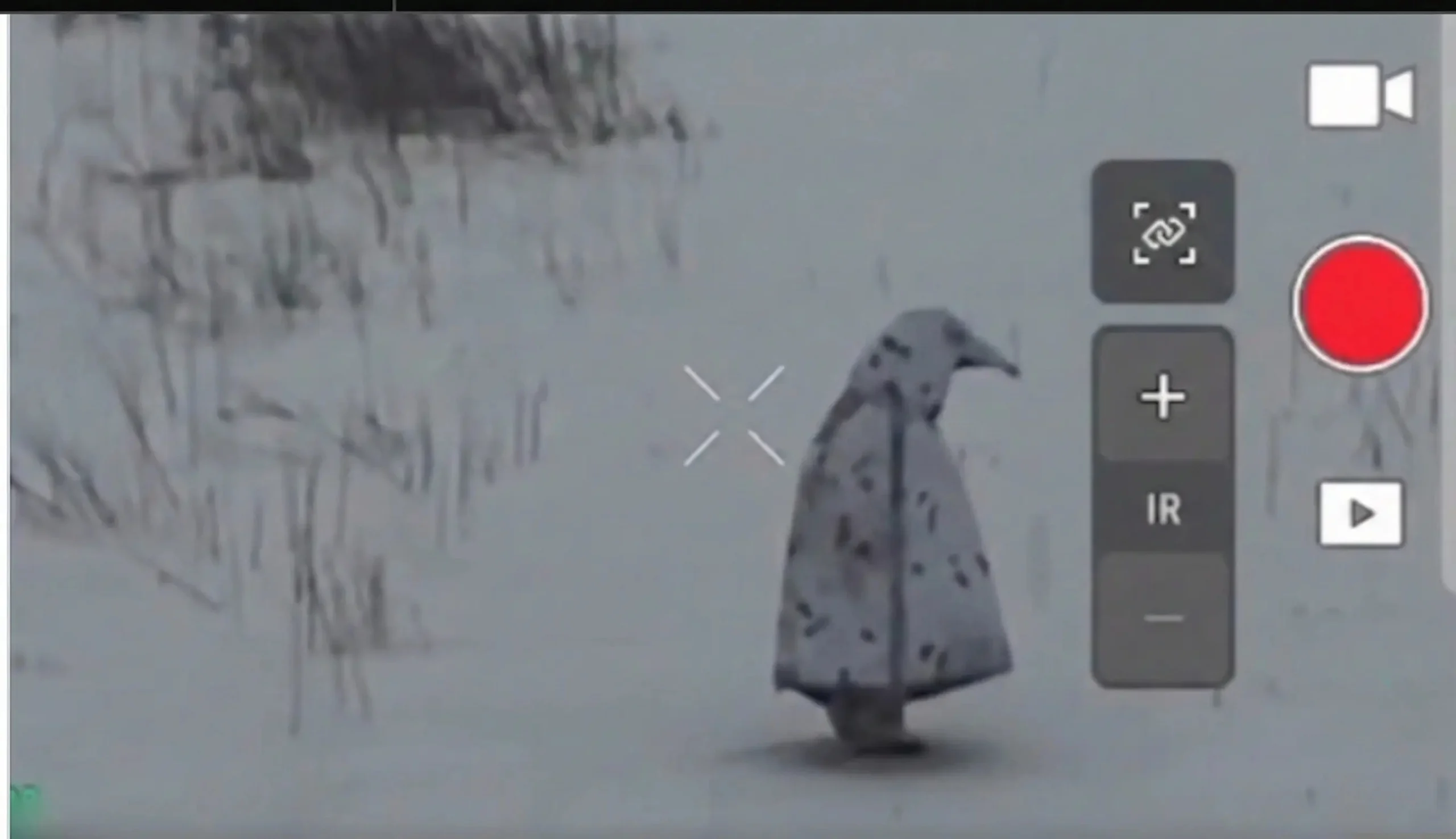
That wasn't a giant penguin marching across the treeless no-man's-land in broad daylight somewhere along the 1,100-km front line in Ukraine in a recent video posted by a drone team working with Ukraine's airborne forces. Nor was it a Russian soldier dressed as a penguin, even though it sure looked like it.
No, it was apparently a Russian soldier wearing a $75 thermal poncho, the kind that campers or hunters might wear to stay warm while outside in the harsh winter.
Made of heat-trapping fabric often embedded with metal filaments, thermal ponchos can trap almost all of a wearer's body heat. That not only keeps them warm, it also masks their infrared signature as seen from the outside. To a drone equipped with a thermal camera, a thermally camouflaged soldier should be indistinguishable from the surrounding snowy landscape.
The poncho didn't save that unfortunate Russian, however. An explosive first-person-view drone swooped in and graphically killed the Russian. But that doesn't mean the poncho didn't work. The same video that depicted the soldier's fatal droning also included a brief shot from an attacking drone's point of view.
In the drone's thermal camera, the Russian is barely visible. It's possible the Ukrainians spotted the Russian with a daylight-optimized optical camera before attacking. In other words, if the Russian had marched out at night, or had sought cover under trees, he might've avoided the drones—and survived.
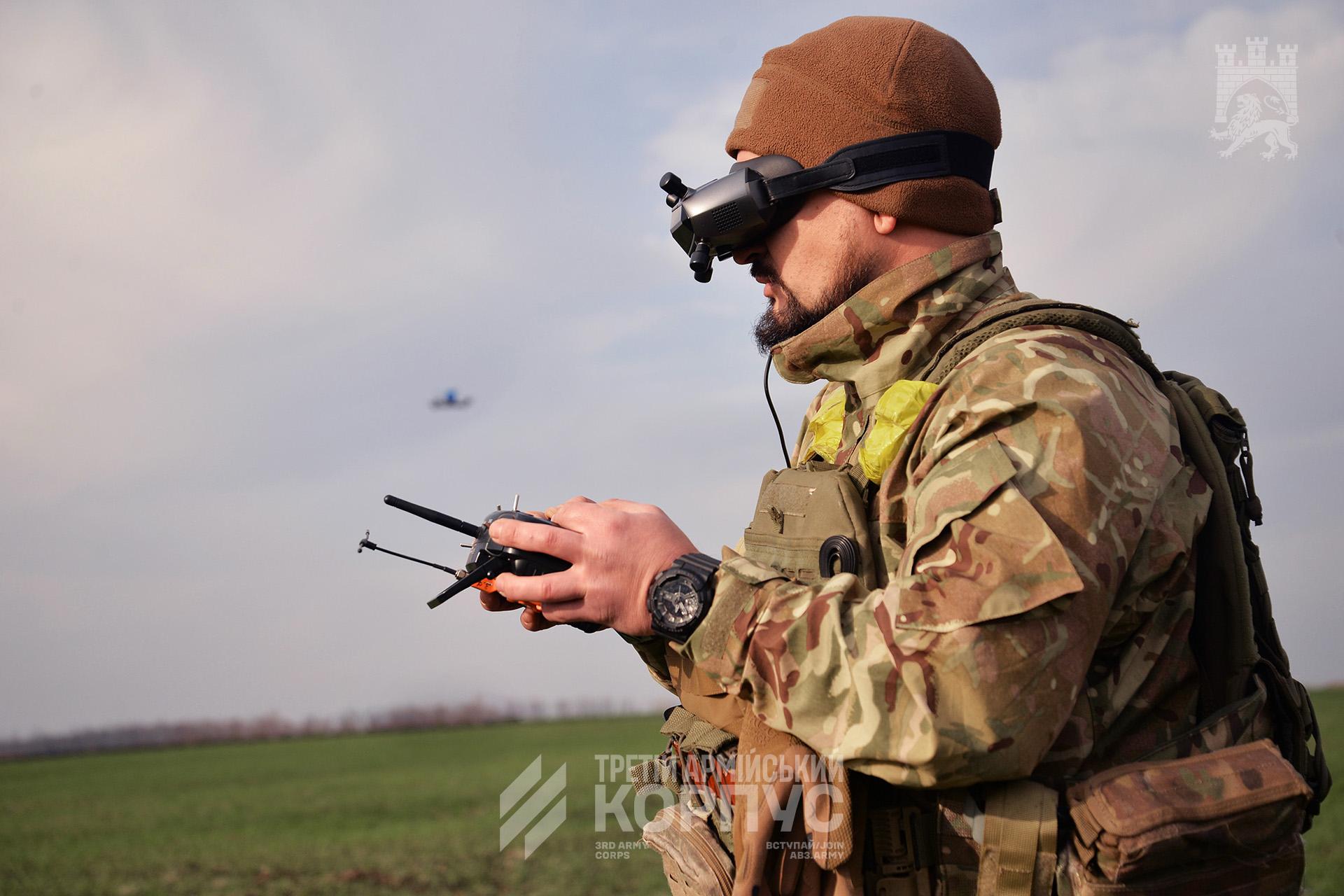
Thermal protection is critical for combatants on both sides of Russia’s 47-month wider war on Ukraine—more so in the winter. As thick winter fog blankets the snowy battlefield, the Russians and especially the Ukrainians are equipping more and more of their explosive drones with inexpensive thermal cameras.
Heat-seeing cameras
Trending Now
The cameras can peer right through fog and smoke that might otherwise obscure an assault group from overhead surveillance. The stark contrast between the cold, snowy landscape and a hot human body makes thermal surveillance even more effective in winter.
It’s not for no reason that thermal camouflage is becoming standard kit for Russian and Ukrainian infantry. But the best purpose-made thermal camo can cost thousands of dollars per outfit, making it cost-prohibitive for many units.
Thus, the widespread improvisation. The idea is to trap body heat under some kind of heat-impermeable material. The type of material hardly matters … as long as it works. Mylar emergency blankets “similar to those that are often placed in … first-aid kits,” can work, the Ukrainian government advised in a 2024 field manual. “They effectively reflect infrared radiation” inward.
More recently, at least one Russian unit has experimented with $40 thermal toilet tents that are normally marketed to campers and beachgoers seeking privacy while on vacation. Despite their silliness, these tents may also work as anti-drone thermal camo.
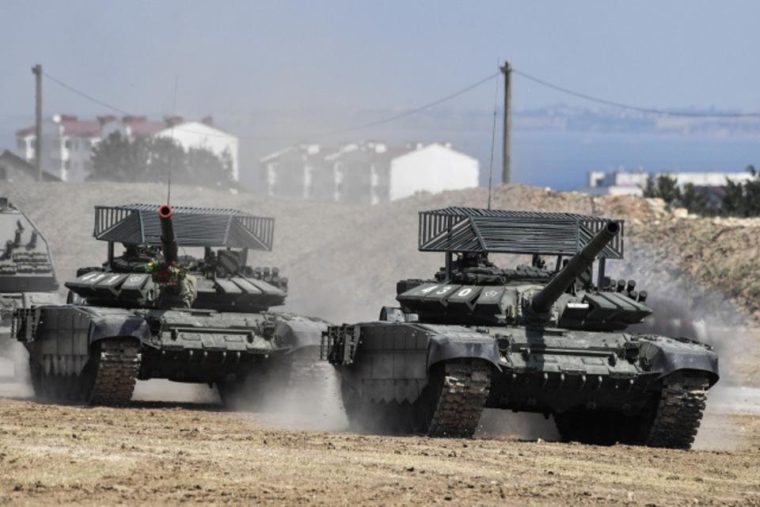
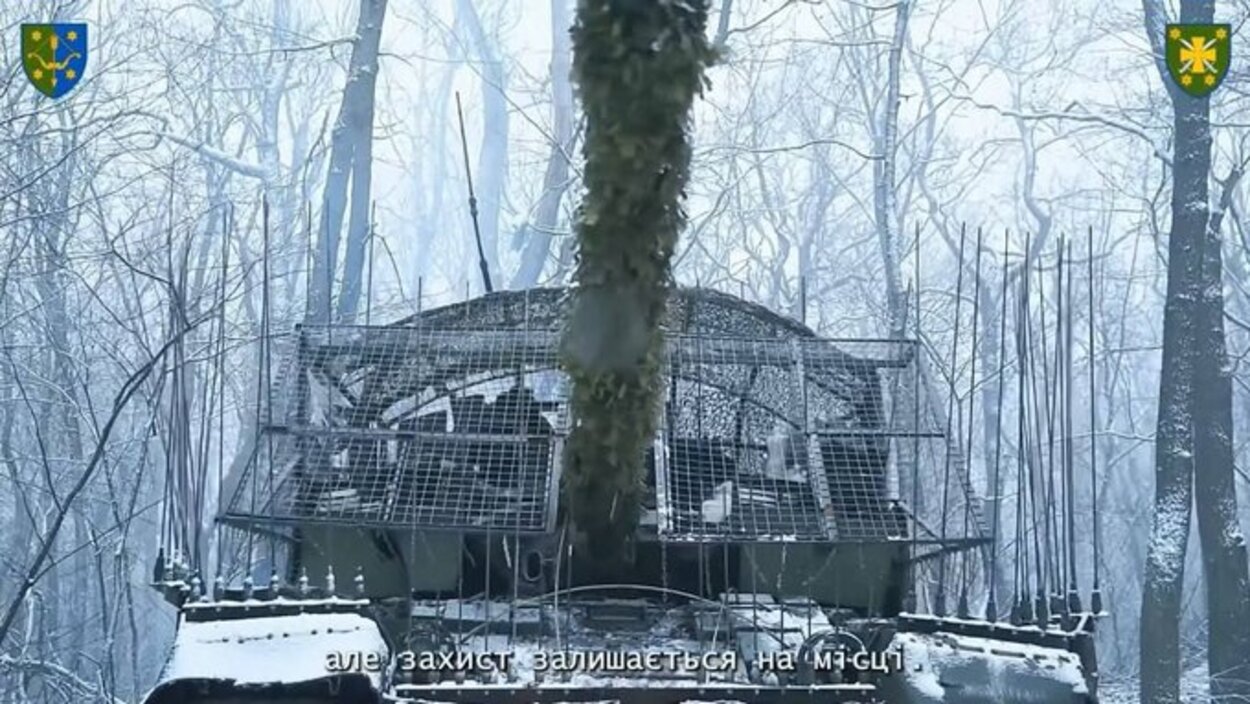
When a Russian soldier wearing some seemingly ridiculous thermal camo dies in a drone strike, don't rush to blame the outerwear. As we've learned with Russia's drone-proofed turtle, porcupine, hedgehog, and dandelion tanks, field improvisations informed by hard battlefield experience can work under the right circumstances—even when they look dumb.
The greater problem, for Russia's winter war effort, is that Ukraine's drone teams have other ways of tracking Russian infantry besides looking for the heat emitted by the infantry's own bodies. Compacted snow is warmer than loose snow, so Ukrainian drone operators are learning they can locate even the best thermally camouflaged Russians by looking for their footprints.