

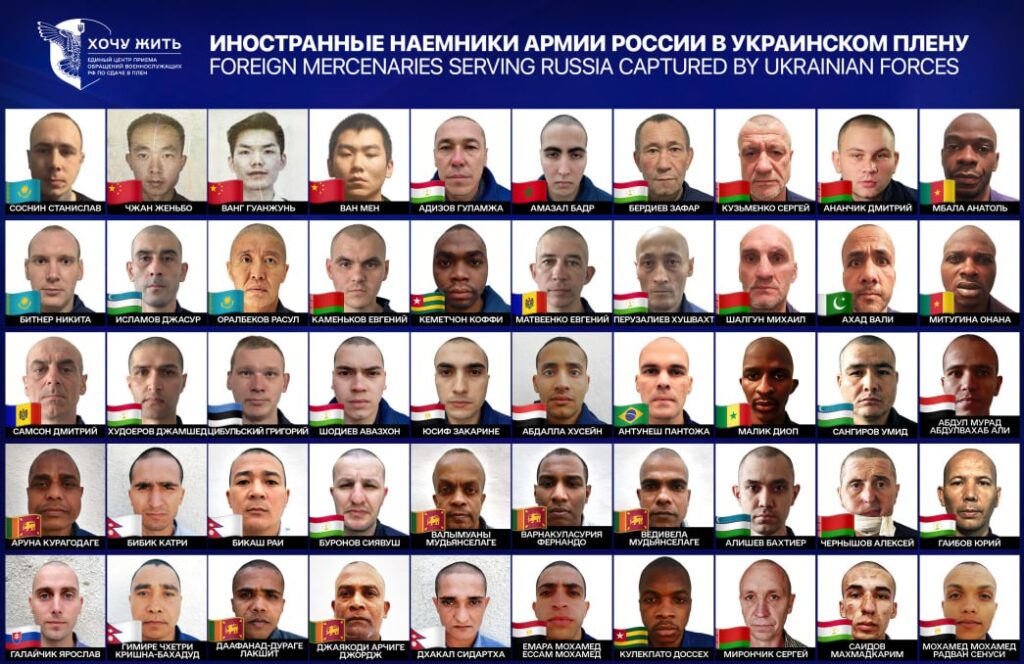
An Associated Press investigation documents how Russia traffics Bangladeshi workers to its frontlines using fake job offers. Recruiters lure the men with promises of cleaning and cooking work. Instead, they end up in combat.
Maksudur Rahman, 31, paid a broker $9,800 for what he believed was a janitor position. Within weeks of arriving in Moscow, he found himself fighting in Ukraine.
How Russia traffics Bangladeshi workers through scams
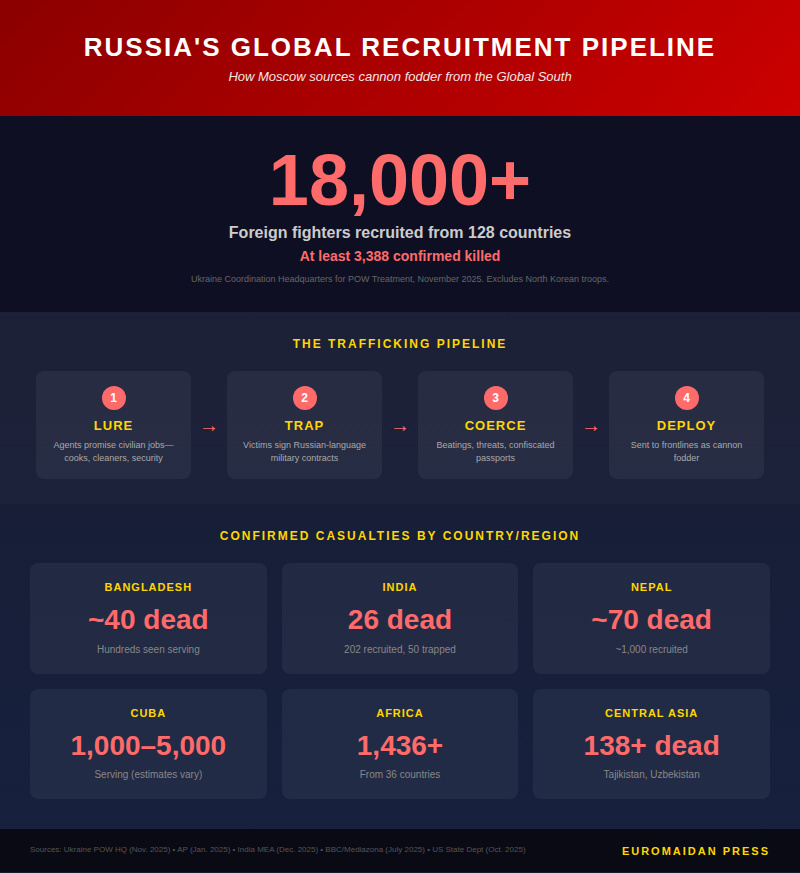
Bangladesh is the latest country caught in Moscow's recruitment dragnet. Russia faces catastrophic losses and a population unwilling to fight. As a result, it has turned to the Global South for expendable soldiers.
Russia's recruitment campaign spans several continents. For instance, Nepali men have died after paying agents for "jobs in Europe" that turned out to be frontline deployment. Similarly, India has confirmed 202 of its citizens served in the Russian army—26 killed, 50 still trapped.
Meanwhile, the Houthis have helped Russia recruit Yemenis through a company linked to a prominent politician. Cuba has supplied hundreds of fighters lured by $2,000 monthly contracts. That amount is a fortune compared to the island's $35 average wage.
In total, the BBC has identified over 500 foreign mercenaries killed fighting for Russia from 28 countries. However, the true death toll is likely far higher.
Russia's strategy for recruiting foreigners and its cost
"We bought you": Deception turns to coercion
Russia's illicit recruitment of Bangladeshis follows a similar playbook. Rahman arrived in Moscow in December 2024. Officials handed him documents in Russian to sign. He believed it was his work contract. In reality, it was a military enlistment form.
When he protested, a commander replied through a translation app: "Your agent sent you here. We bought you."
Russian soldiers beat him when he refused orders. "They'd say, 'Why don't you work? Why are you crying?' and kick us," Rahman told AP. He escaped after seven months.
Another victim, Mohan Miajee, 29, was promised electronic warfare work far from combat. At a Russian camp in occupied Avdiivka, a commander told him the truth. "You have been deceived," the commander said. Soldiers then beat him with shovels and forced him to collect bodies.
According to a Bangladeshi police investigator, approximately 40 Bangladeshis may have already died. Escapees reported seeing hundreds more still serving.
Russia erases its bloody fingerprints
Back in Bangladesh's Lakshmipur district, families cling to documents their loved ones sent home. These include Russian visas, military contracts, and dog tags.
Salma Akdar, 28, last heard from her husband on 26 March. He told her he had been "sold to the Russian army." His final message was an audio note: "Please pray for me."
Mohammed Siraj's 20-year-old son Sajjad left Bangladesh believing he would work as a chef. A drone killed him instead. Siraj's wife died shortly after learning the truth, calling out for her son.
The families have received no money or compensation. To erase its fingerprints, the recruitment agency responsible for luring many of these men, SP Global, has ceased operations entirely.
Read also
-
Nepali man paid agent for “Europe” job, then died fighting for Russia
-
India confirms 202 citizens served in Russian Army — 119 returned, 50 still stuck, 26 killed, 7 missing
-
BBC identifies 523 foreign mercenaries killed fighting for Russia in Ukraine — from 28 countries
-
Forbes: Russia hires mercenaries against Ukraine in at least 21 countries


