


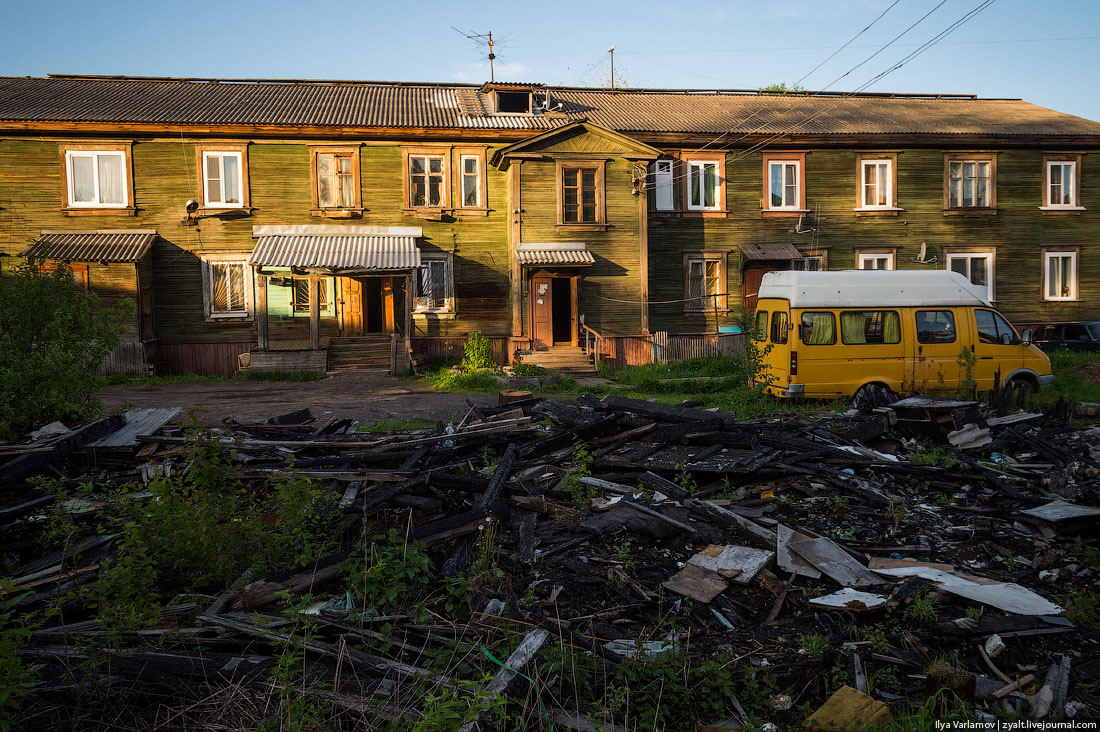
Cemros, which controls a third of Russia’s cement market, has frozen factories in Belgorod and Ulyanovsk oblasts and cut a third plant in Lipetsk to skeleton operations. In Ulyanovsk, demand for cement is now “virtually nonexistent.” In Belgorod, it dropped 13-15% in a single year.
The company blames cheaper imports from Belarus and Iran for undercutting Russian producers. But Belarus and Iran aren’t the only pressure.
Mortgage rates approaching 30% have locked ordinary Russians out of the housing market.
The Central Bank keeps interest rates at 16% to fight inflation driven by military spending. The Central Bank cut rates slightly in December—from 16.50% to 16%—but that’s still high enough to choke developers.
Nearly one in five now faces bankruptcy, Deputy Prime Minister Marat Khusnullin warned in August—a figure he said could exceed 30% if conditions don’t improve. Mortgage rates approaching 30% have locked ordinary Russians out of the housing market. Construction collapses. Cement follows.
From four-day weeks to frozen plants
In October, Cemros moved its 13,000 workers across 18 plants to a four-day work week to preserve jobs.
“This is a necessary anti-crisis measure,” company spokesman Sergei Koshkin told then. “The goal is to keep all our staff.”
Three months later, Cemros is shutting plants entirely. The company expects Russian cement consumption to fall below 60 million tonnes this year—a level last seen during the pandemic.
Belarus expands
The irony: Belarus and Iran—nominally Russia’s partners—are accelerating the collapse by flooding the market with cheaper cement. Belarus accounts for 69% of Russian cement imports, and Iran for 20%, according to the industry association Soyuzcement, which has proposed five-year anti-dumping measures.
While Cemros shuts factories, Belarus is building. In August, Belarusian producer Krasnoselskstroymaterialy announced a $100 million upgrade to its Vaŭkavysk cement plant—capacity expansion, while Russia’s largest producer goes dark.
Not just cement
Trending Now
Building materials production fell 11-12% year-on-year in late 2024. Car production dropped 61.6%. Railway machinery plunged 33.7%. Russia’s civilian manufacturing has been running nearly 5% below December 2024 levels for three months straight.
Interest payments now consume 38% of Russian company profits—a historic maximum. The trap: the more Moscow borrows for war, the less the Central Bank can lower rates.
About 20% of Russians earn income connected to military service or war production. Their wages have risen. The other 80% absorb the cost: higher taxes, higher prices, and now an economy that cannot build houses.
The IMF this week cut Russia’s 2026 growth forecast to 0.8%. The cement plants going cold in Belgorod and Ulyanovsk are what that number looks like when it hits the ground.


