
Russia's intentions to target Ukraine's power substations of nuclear power plants could lead to a disaster on the scale of Chornobyl. The plans, combined with the inaccuracy of Russia's missiles may affect not only Ukraine but all of Europe, says expert Serhii Beskrestnov, also known as Flash.
On 17 January, Ukraine's Defense Intelligence reported that Moscow was considering strikes on electricity substations supplying Ukrainian nuclear plants. The goal is coerce Ukraine into accepting capitulation demands to end the war amid the US-initiated peace talks.
"Nuclear plants as the country's last energy shield"
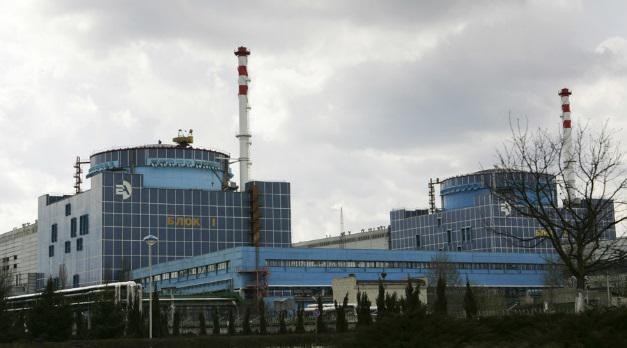
"I really hope the Russians have enough sense not to attempt attacks on nuclear power plants, because a miss by an Iskander or Kinzhal missile could turn into a second Chornobyl," Beskrestnov stresses.
The proximity of the nuclear plants to the EU, Belarus, and Russia means that any potential radioactive contamination could impact the entire continent.
Kremlin weaponizes fear of a new nuclear disaster
Beskrestnov adds that nuclear power plants currently serve as Ukraine's main sources of electricity generation.
To achieve a total blackout, the Russians would likely target the substations located near each plant, which transmit electricity from the reactors to the wider grid.
These substations are sometimes just a few hundred meters from the reactors, and sometimes up to a kilometer away.
"While Russia claims its weapons are extremely precise, we see that is not the case. Kinzhal missiles hit randomly, and the accuracy of cruise and ballistic missiles is far from perfect," Beskrestnov says.
Accordingly, Russia is using the fear of a new Chornobyl-like disaster as a tool of psychological and political pressure on Ukrainian leadership, society, and international partners.