

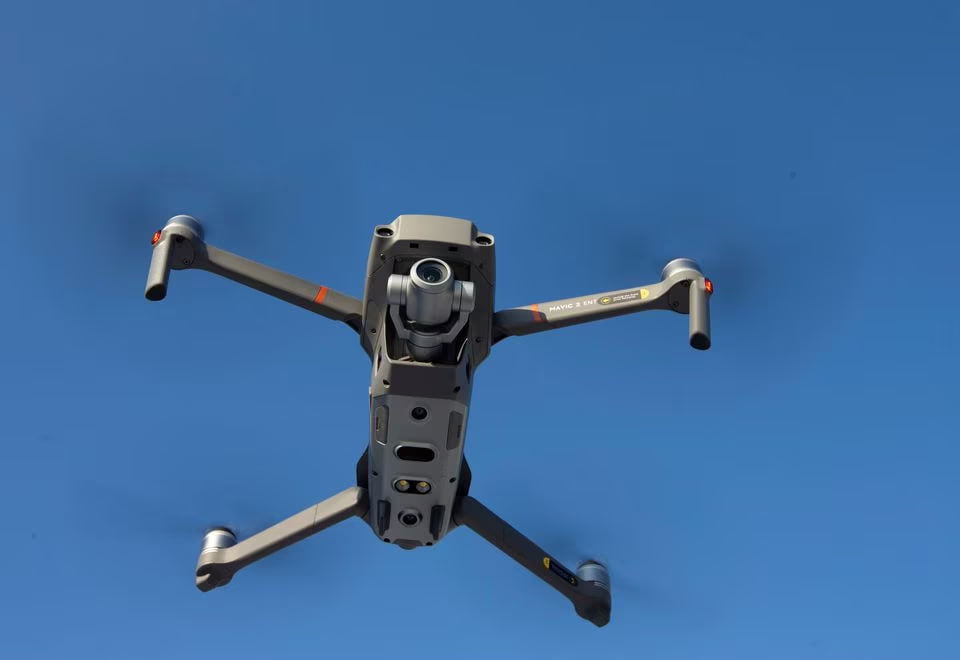
Soldiers of the 46th Separate Airmobile Podilsk Brigade of the Ukrainian Air Assault Forces have demonstrated an unusual method for intercepting Russian drones. They have used a fishing rod and line mounted on their own drone, as per Militarnyi.
During interception, the Ukrainian drone approaches the Russian drone from above. As it gets close, the rotor blades of the Russian UAV become entangled in the line or break against it, causing the drone to lose control and crash.
According to the video, this method successfully intercepted at least two Russian quadcopters.
Some interceptions have failed against Molnias
The same footage also shows an attempt to intercept a high-speed kamikaze drone of the “Molniya” type. The interception appears to have failed, highlighting the method’s limitations against faster or aerodynamically different platforms.
Not a new method, but improved since 2024
Although the fishing rod solution is unconventional, the principle of kinetic drone interception is not new. Similar methods have been employed since at least mid-2024, when the widespread use of FPV interceptor drones became prevalent.
Early methods involved mounting sticks or rigid elements on drones to ram the engines or propellers of enemy UAVs. The impact would destroy the rotors, causing the target to lose thrust and plummet to the ground. However, the interceptor often also lost control and crashed.
Why is the fishing rod a safer alternative?
Using a line with a weight potentially makes the interception safer and less damaging for the Ukrainian drone. The line can detach from the ring, tangling the Russian drone while the Ukrainian UAV avoids critical stress and does not get "pulled down" with the target.
This approach demonstrates the adaptability of Ukrainian units, which rapidly develop simple, low-cost, and effective solutions in response to the mass use of Russian drones.


