


Moldova will shut down the Kremlin-funded Russian House in Chișinău this summer, citing security concerns and disinformation risks. Officials say the move comes in response to Russia’s hostile actions and the legal impossibility of canceling the agreement any earlier.
Chișinău ends deal underpinning Russian House
The so-called Russian House (Russkiy Dom), officially the Russian Center for Science and Culture, will close in Chișinău between late June and early July 2026, Moldpress reports. Moldova’s Vice Prime Minister and Foreign Minister Mihai Popșoi confirmed to Moldpress that the government has formally notified Russia’s Foreign Ministry that the 1998 bilateral agreement allowing the center’s existence will not be renewed.
Popșoi emphasized that the agreement’s language offers no unilateral cancellation option — the only legal way to shut down the center was by not extending it six months before its expiry. Moldova has now taken that step, triggering the countdown to its legal closure.
Drone incidents push authorities to act
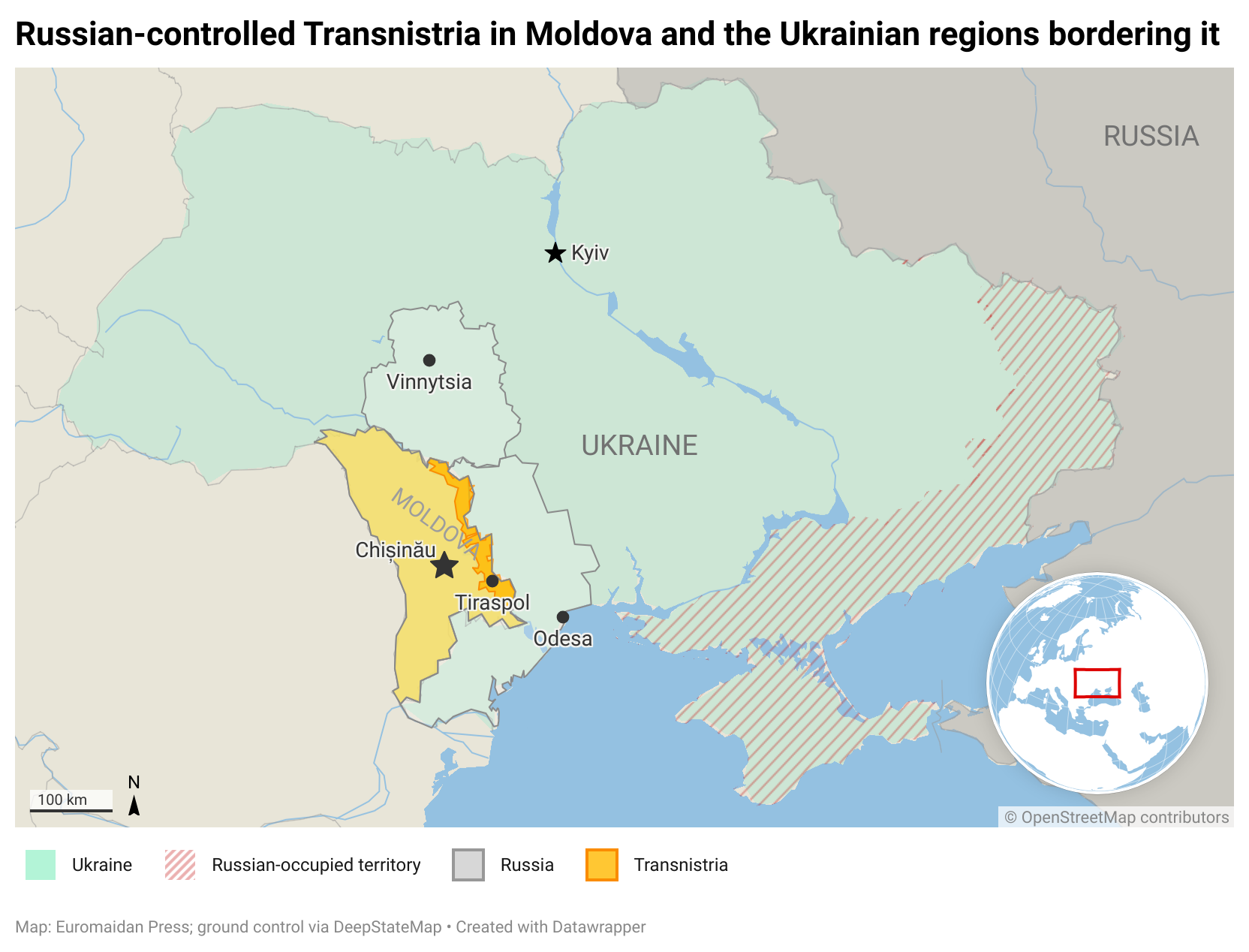
Popșoi said the political decision to close the center came in response to Russia’s unfriendly actions against Moldova, including repeated violations of the country’s airspace by Russian drones — some carrying explosives — such drone incursions often occur during Russia's drone attacks on southern Ukraine.
One such drone reportedly crashed just a kilometer from civilian homes in southern Moldova.
“These diplomatic decisions to protect our sovereignty and territorial integrity fully comply with measures under international law,” Popșoi told Moldpress.
He noted that all necessary diplomatic and legal steps had been followed despite dissatisfaction with the original agreement’s limitations.
Popșoi stressed that Russia is now officially notified and must respect the outcome, as the agreement will expire and lose all legal force this summer. After that, the Russian House will have no legal grounds to operate in Moldova.
Disinformation threat and lack of reciprocity
The Moldovan Ministry of Culture prepared the termination proposal, stating that the agreement with Russia poses risks to Moldova’s information security. In the current geopolitical climate and amid widespread disinformation, the deal may be used to promote distorted narratives, the ministry warned.
Moreover, Moldova does not operate a cultural center in Russia, which officials say makes the agreement unbalanced and defeats its original purpose.


