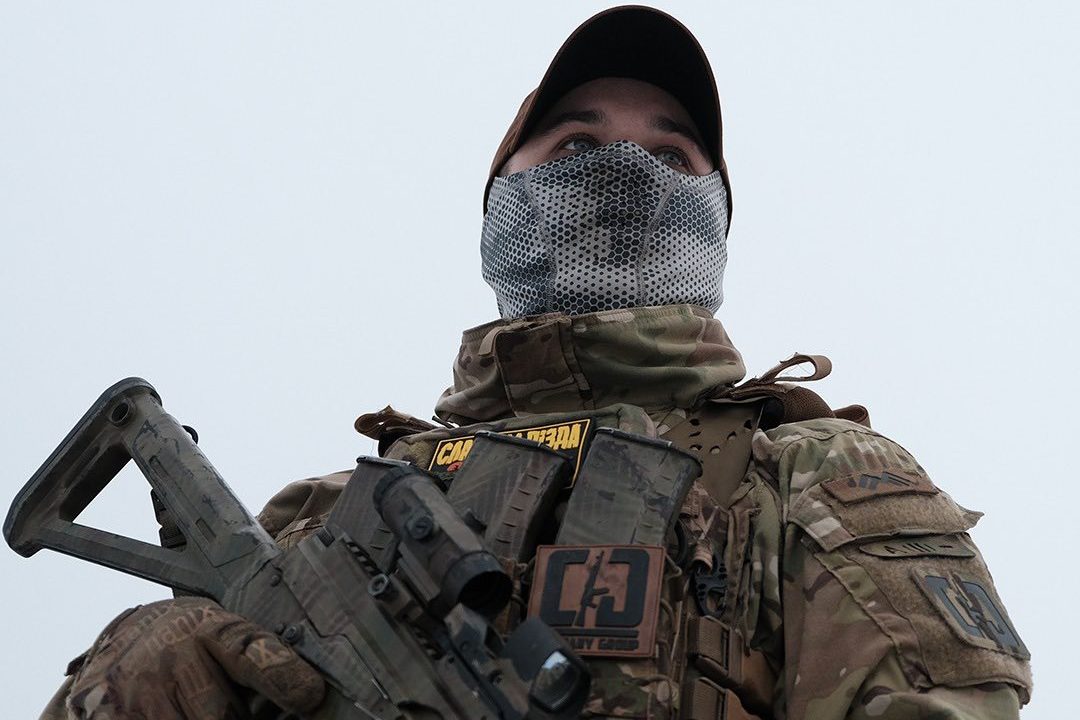

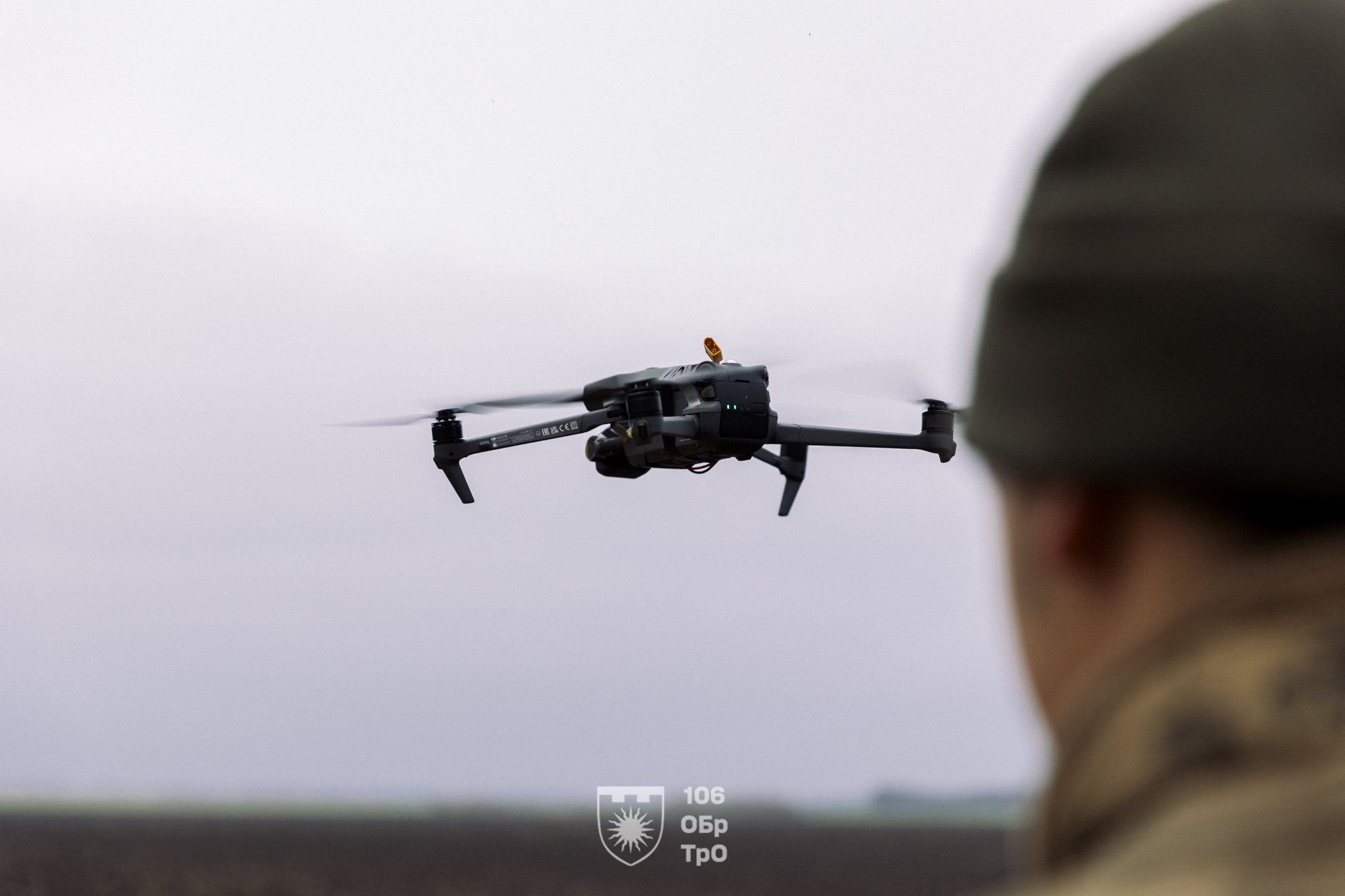
- Days after capturing Huliaipole in Zaporizhzhia Oblast, the Russians are infiltrating neighboring Zaliznyczne
- Ukrainian territorials lack the resource to defend in the south
- Ukrainian assault units that rushed to Huliaipole aren't trained, equipped or expected to defend
- The territorials have become scapegoats for Ukrainian commanders who have failed to address the fundamental problem: a shortage of trained troops
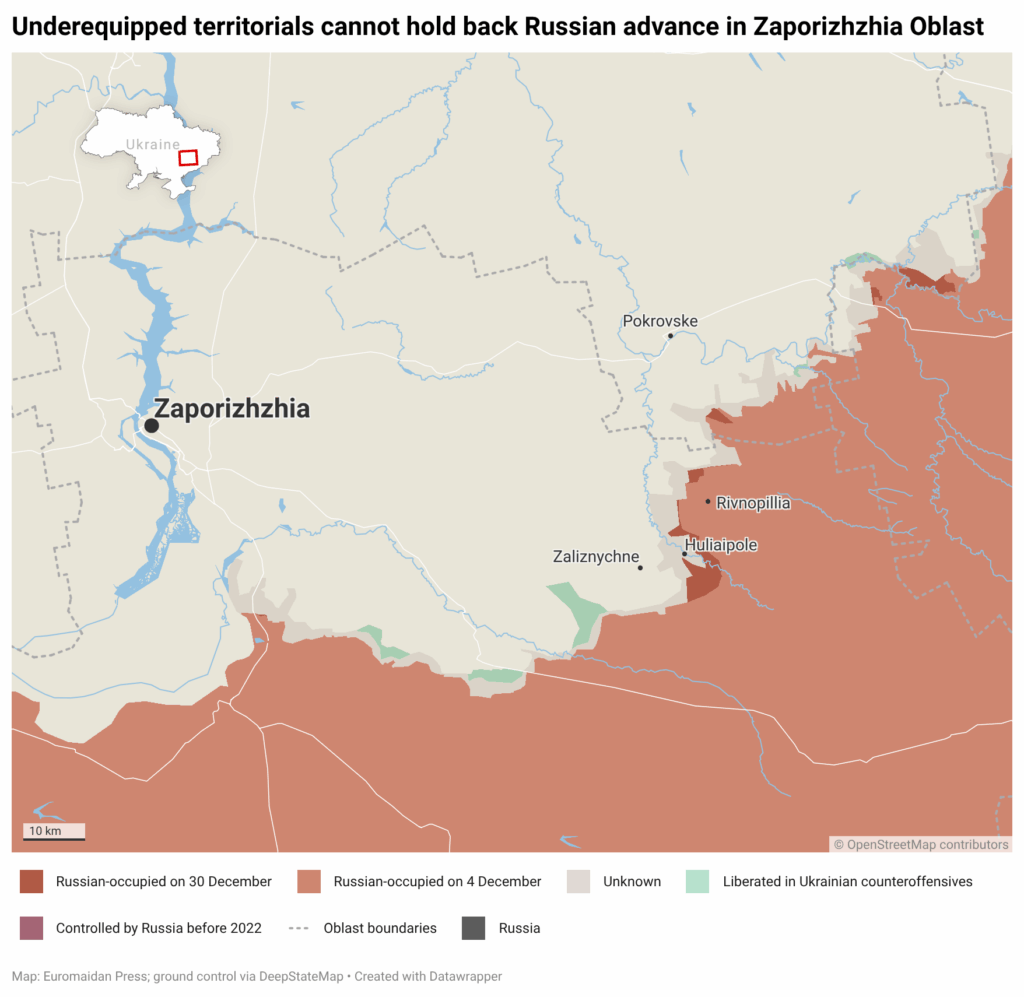
Barely more than a week since capturing the town of Huilaipole in Zaporizhzhia Oblast, Russian troops have infiltrated the next settlement on the long road to Zaporizhzhia city. The city with its hundreds of thousands of residents is still 80 km away for the Russians. But the Russians are closing the distance faster than anyone expected.
It's not hard to understand why. Ukrainian forces have too few reserves, mostly owing to a deepening shortage of trained infantry that itself is the consequence of a corrupt and unpopular conscription system. At the same time, the Ukrainian command continues to assign a disproportionate number of fresh troops to assault units that the command itself admits aren't meant to defend settlements such as Huliaipole.
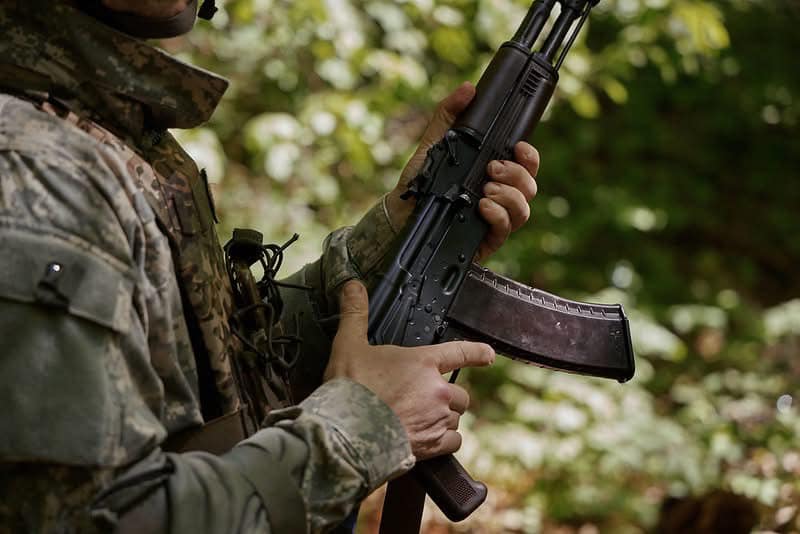
Assault troops arrive—but aren't meant to stay
That leaves many front-line towns and cities defended by territorial defense force units that are, as a matter of policy, less well-equipped and also under-manned compared to the "fire brigade" assault units.
When these territorial forces break and run under relentless assault by much larger and better-armed Russian forces, commanders in Kyiv often blame the territorials—and pledge reforms to the territorial defense forces as though organization dysfunction, and not a desperate shortage of weapons and people, aren't usually to blame for the territorials' defeat.
Shortly before Christmas, the survivors of the 102nd and 106th Territorial Brigades broke and ran in Huliaipole—once the anchor of Ukrainian defenses in Zaporizhzhia Oblast. The Russian 57th Motor Rifle Brigade marched into the town, swiftly capturing all or most of it.
A clutch of assault units, including parts of the 5th and 425th Assault Regiments, recently rushed to Zaporizhzhia from neighboring Donetsk Oblast, staged a few local counterattacks but "without achieving any lasting territorial successes," observer Thorkill noted.
That's by design. The assault troops, which now belong to their own separate branch of the Ukrainian ground forces, are "firefighters," explained Gen. Oleksandr Syrskyi, Ukraine's Commander-in-Chief. They "extinguish fires where the situation becomes critical," Syrskyi said in a recent interview.
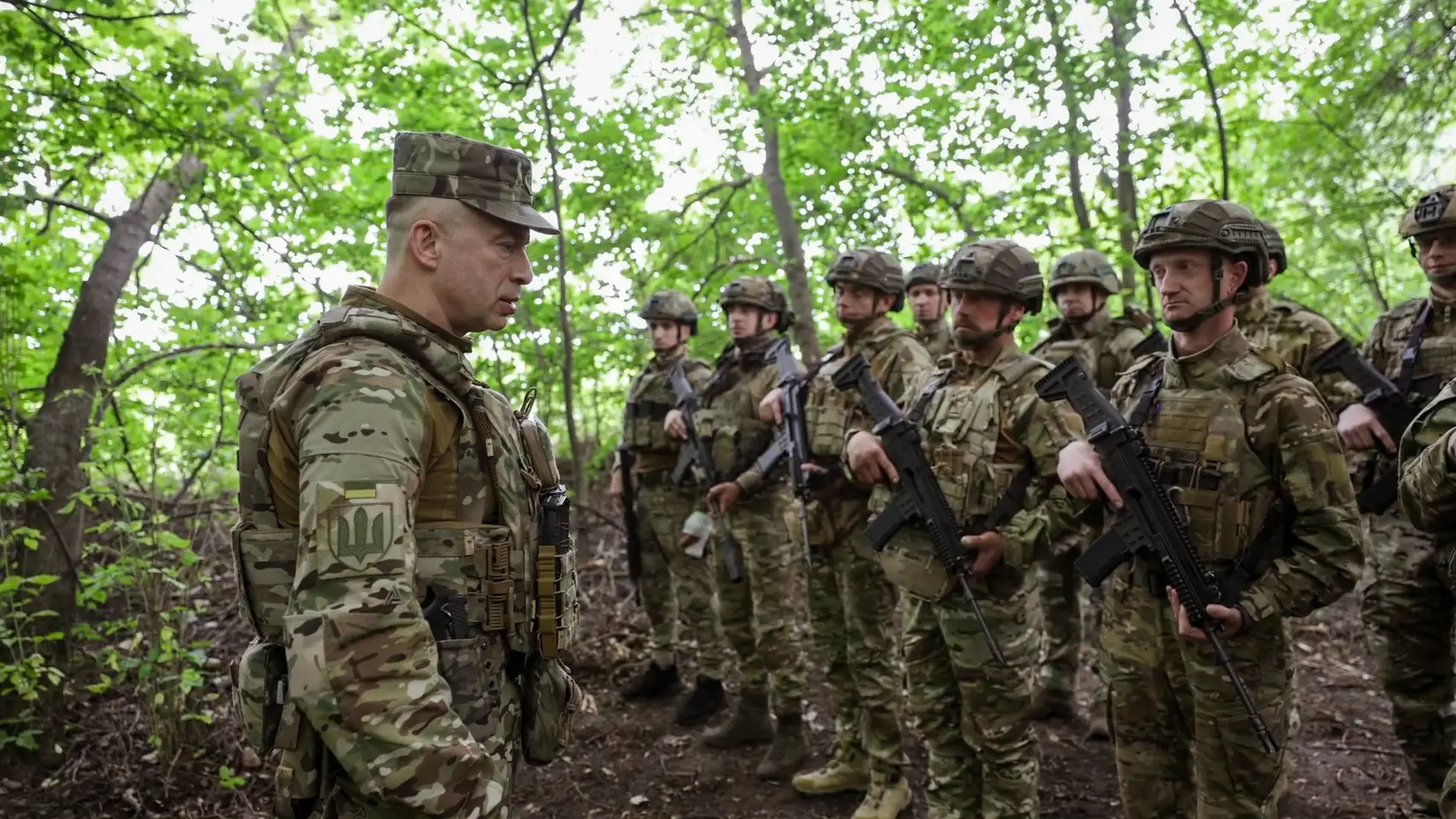
“Certainly not a Russian model”: Ukraine’s assault architect confronts accusations of meat-wave tactics
Compared to other Ukrainian branches such as the army, marines, air assault forces, national guard, and territorials, the assault forces "have a different specificity, different traditions," Syrskyi added. The assault forces attack and then withdraw; they're not trained, equipped or expected to occupy fighting positions for months or years at a time.
Destined to fall
Thus, the outcome in Huliaipole was all but inevitable once the territorials fled. But that's not to say the defeat was the territorials' fault.
"These troops held their positions for a long time and suffered extremely heavy losses over recent months, yet were not rotated to the rear for rest and reconstitution," the pro-Ukraine Conflict Intelligence Team noted. "Holding positions under such conditions eventually became almost impossible, especially when Russian forces intensified their pressure."
Trending Now
Likewise, it's not the territorials' fault that Ukrainian forces continue to fall back in Zaporizhzhia. Days after capturing Huliaipole, the Russian 57th Motor Rifle Brigade marched into the village of Zaliznychne, 5 km west of Huliaipole. According to Thorkill, the 5th and 425th Assault Regiments successfully counterattacked and pushed back the Russians.
But not entirely. A cement plant on the southeastern edge of Zaliznychne may still be under Russian control, Thorkill reported.
Scapegoating instead of solutions
The Ukrainians' continuing collapse in Zaporizhzhia should come as no surprise. Rather than conceding that there are too few troops to properly staff every unit, Syrskyi has gone looking for scapegoats—and found them. He announced a criminal investigation of the commander of territorial troops in Huliaipole, and then followed up with another round of structural changes to territorial brigades: the second in a year.
The current reforms actually shrink territorial brigades from five battalions to just four but add more drones. The changes indirectly acknowledge that the territorial forces have too few troops, but do nothing to address the root cause: a failure of the Ukrainian mobilization system.
Syrskyi's favoritism toward the assault units, which he perceives as "loyal," according to Militaryland (which tracks the Ukrainian force structure), only exacerbates the shortage. The assault units receive a greater proportion of fresh recruits and Western-made weapons.
Favoring the "fire brigade" assault units over less glamorous army and territorial units is like hiring too many firefighters (who try to suppress blazes after they've broken out) while hiring too few fire inspectors (who prevent blazes from breaking out in the first place). The Ukrainian military under Syrskyi favors response over prevention.
As long as the Ukrainian command is counting on territorial units to defend key settlements and those units are undermanned, Ukrainian forces will likely continue falling back. Brief counterattacks by the assault forces may only delay the retreat.