Today, the biggest news comes from Ukraine.
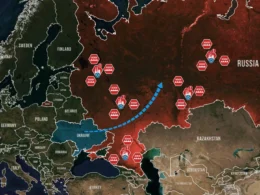
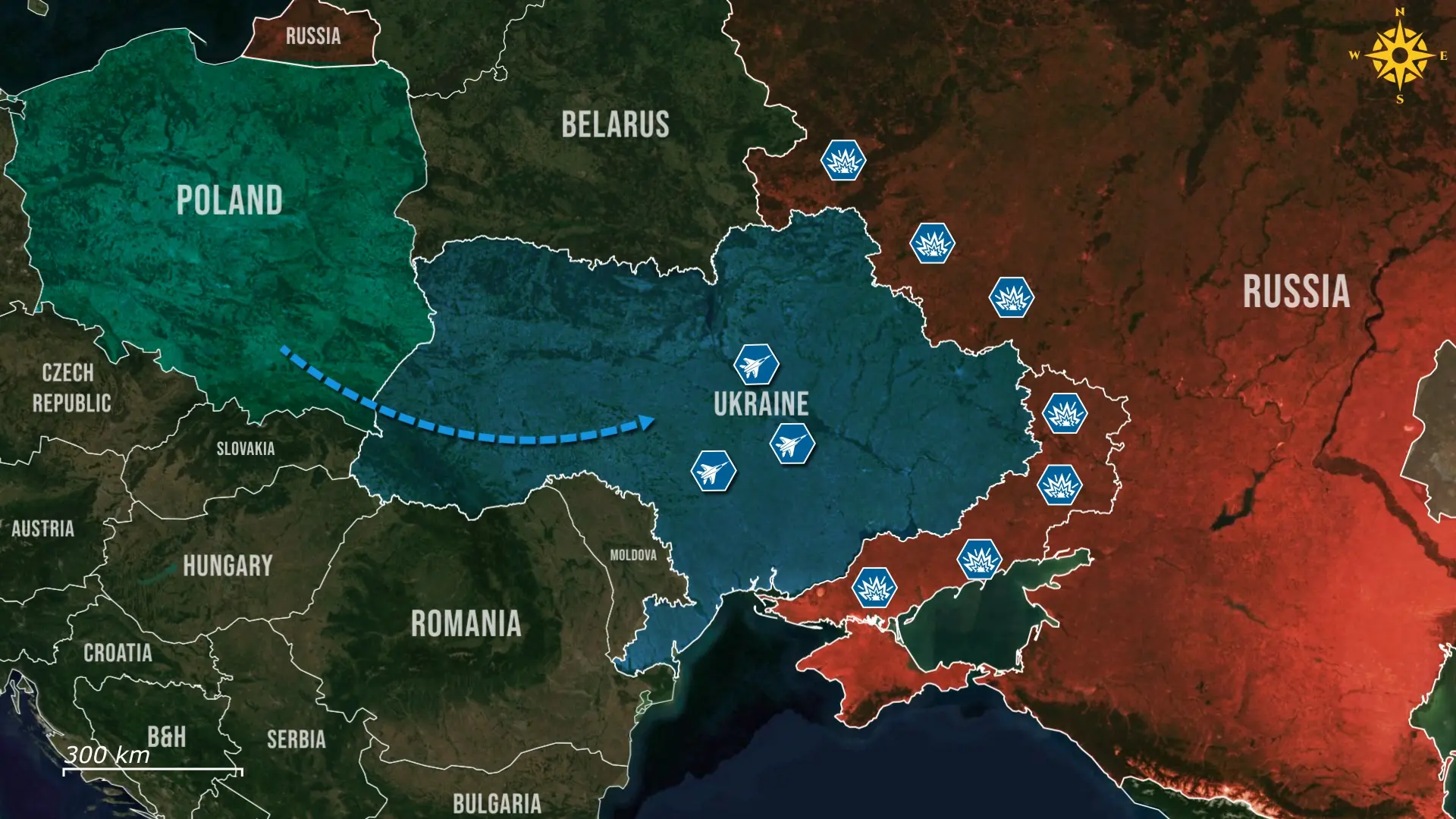
Here, Russia assumed Ukrainian tactical aviation would remain constrained by aircraft shortages and electronic warfare. However, the Polish Mig-29 pipeline is turning that constraint into sustained precision pressure on Russian frontline nodes.
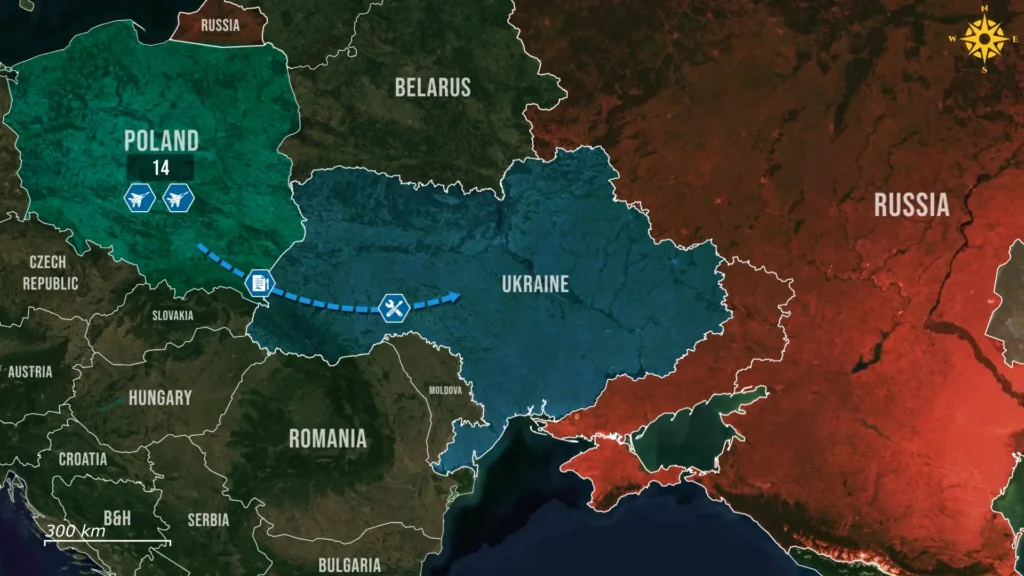
In late 2025, Warsaw publicly discussed the release of another six to eight Mig-29 fighters being retired from Polish service. This follows Poland's 2023 transfer of fourteen Mig-29's to Ukraine. This established a working pipeline for spare parts, maintenance, and documentation rather than a one-off donation.
Immediate combat capability with Western munitions
These jets can enter service almost immediately because Ukraine already operates the Mig-29 and maintains trained pilots and ground crews, eliminating conversion delays.
The aircraft are not raw airframes either; Polish and Ukrainian modification programs have already adapted them to use Western precision-guided munitions, with pylons, wiring, and avionics interfaces already in place. As Ukrainian pilots are already trained on the Mig-29, Ukraine can start conducting combat operations almost instantly.

Northern border: Stopping raids before they begin
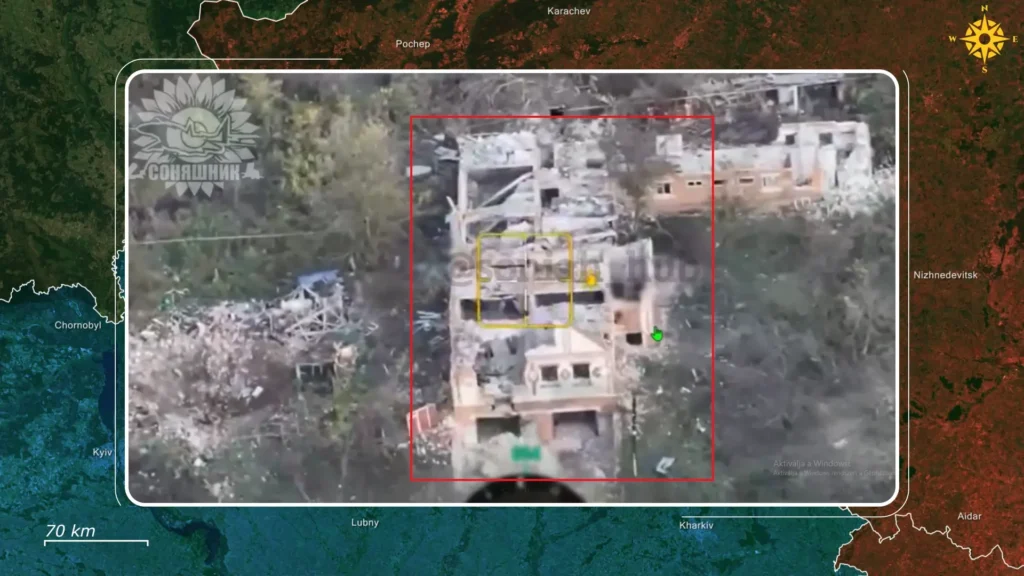
Along the northern border, Ukrainian Mig-29's are used to stop Russian raids before they begin, forcing Russia to spread reserves along the border instead of concentrating them for offensive action. Ukrainian intelligence identifies Russian force concentrations while they are still gathered for attacks or briefings, most often through operational security failures such as active phone signals, visible antennas, or repeated vehicle movements to the same house.
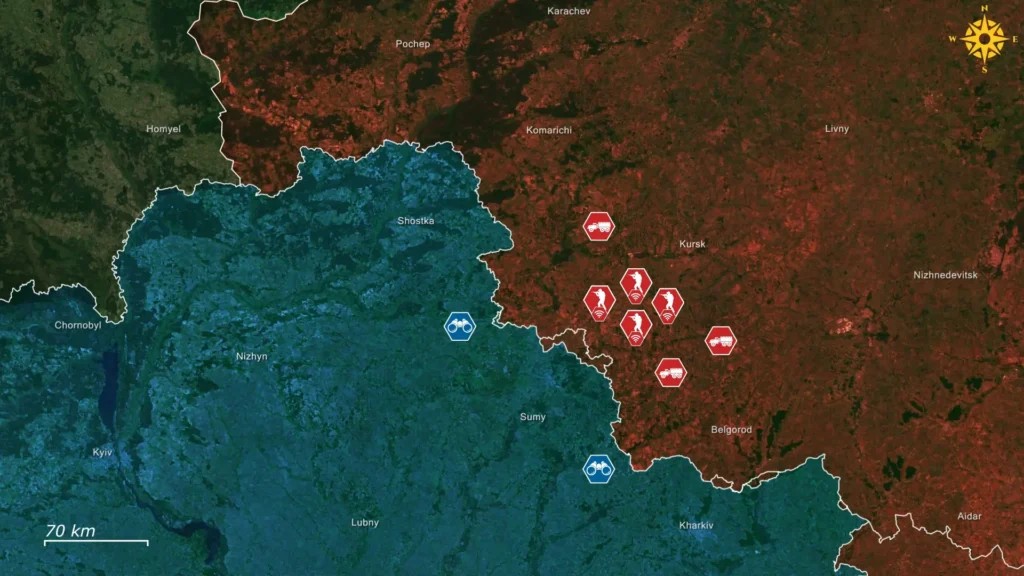
Here, geolocated footage shows a single AASM Hammer bomb striking a house where Russian infantry had assembled alongside a command post. The strike collapses the building in one hit, killing the gathered personnel and cancelling the raid before the unit can move toward the border.

Pokrovsk: Targeting assembly points and approach routes
Around Pokrovsk, Russian attacks also depend on gathering large groups of assault troops in one place, however that only works while the troops are still assembled, once they spread out into trenches and ruined buildings, they stop being a single, worthwhile target.
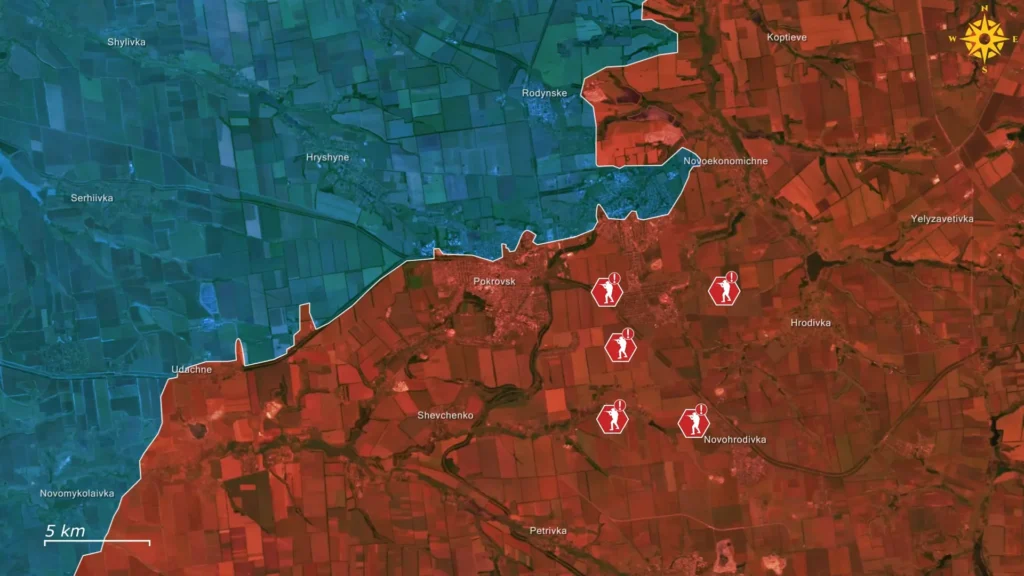
Ukrainian air strikes focus on this brief window, hitting assembly buildings and nearby infrastructure before the troops move out. One strike can wipe out an entire assault group, forcing Russia to start over and costing them time and momentum.
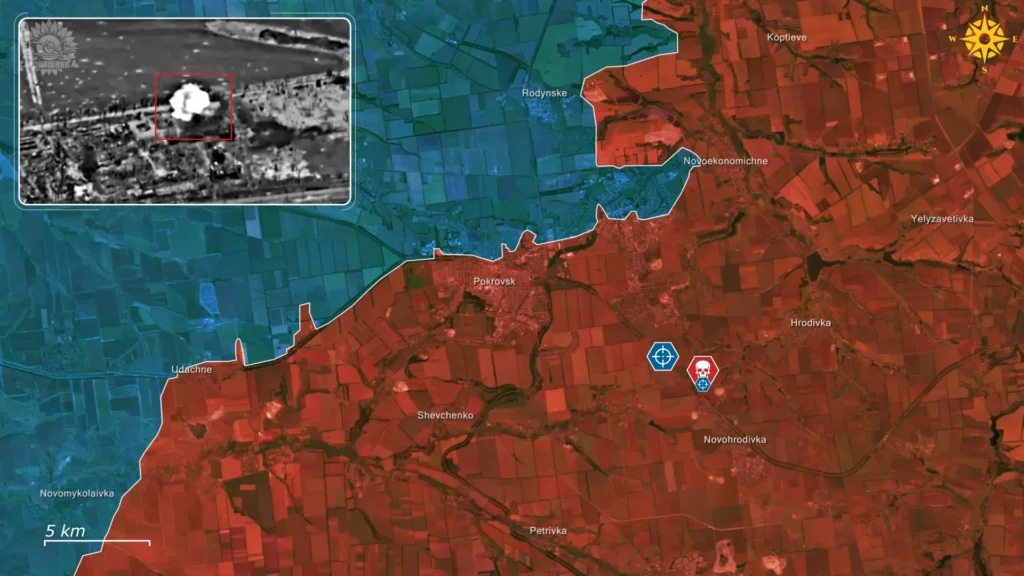
On the flanks, Russian forces try to encircle the town by moving assault units along secondary roads, but Ukrainian air strikes target these routes to slow movement, where a massive crater leaves no way around. These movements are detected when vehicles repeatedly move through the same junctions and feeder roads, creating clear patterns that are picked up by Ukrainian drones.
Geolocated strike footage shows precision bombs hitting contested approach routes, forcing Russian units onto longer, more exposed detours and breaking the timing needed for a coordinated encirclement.

Trending Now
Drone operators: A critical and irreplaceable target
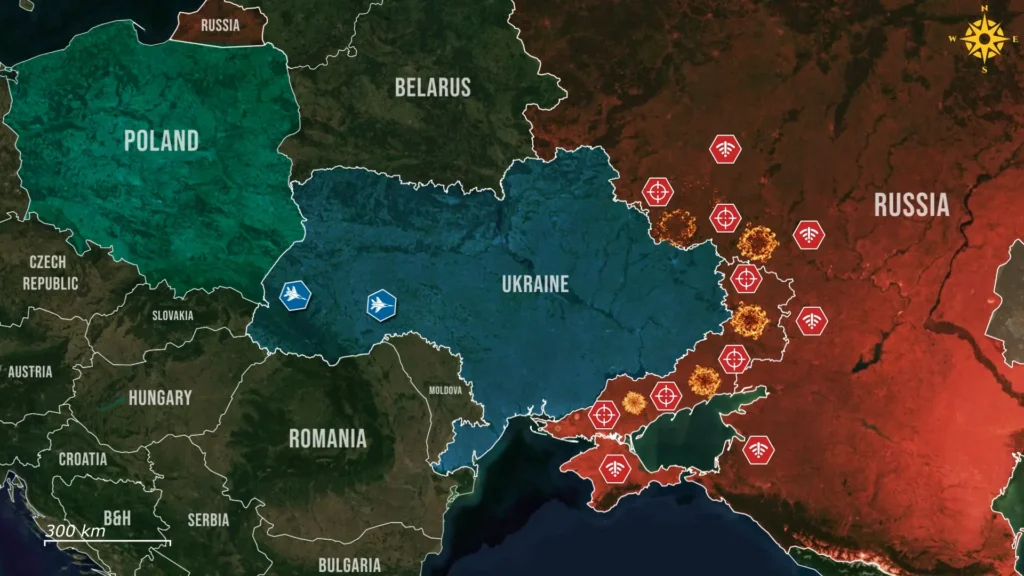
Especially at Pokrovsk, Russian drone teams are a critical weak point for Ukraine, because they provide battlefield visibility, guide artillery fire, and conduct FPV attacks, making them priority targets for Ukrainian Mig-29 strikes.
These operators require months of training under combat conditions, so when drone control sites are hit, Russia loses skills it cannot quickly replace. While new crews can be recruited, the loss of experienced operators forces continuous recruitment and steadily reduces overall effectiveness.

Uspenivka: Striking crossings to stall a breakthrough
Near Uspenivka, Russian forces needed speed after capturing the settlement, because only rapid movement could turn that gain into a breakthrough. To achieve this, they had to move mechanized units across intact bridges and hardened roads, as the surrounding terrain had already turned into deep mud.
Ukrainian Mig-29's struck those key crossings, stopping the advance and forcing Russian troops to push forward slowly through the mud, largely on foot, while vehicles struggled to keep up.

Zaporizhzhia direction: Preventing FPV range expansion
Near Kamianske and Stepnohirsk, Russian forces are trying to move close enough to bring their FPV operators within launch range of the city of Zaporizhzhia. Achieving this would allow them to strike deeper into Ukrainian rear areas and disrupt civilian life far beyond the frontline.

Instead, they are running into a barrage of Ukrainian air strikes, with Mig-29 fighter jets hitting footholds, shelters, and staging points as soon as they appear. The geolocated footage shows bombs released from standoff range collapsing buildings before Russian units can dig in, illustrating how air power is being used to stop the threat before it reaches the city.

Sustained pressure on Russian weak points
Overall, Poland's Mig-29 pipeline matters because it gives Ukraine real combat power rather than additional aircraft that exist only on paper. Each extra jet allows Ukraine to repeatedly strike the same Russian weak points, especially the brief moments when troops, commanders, drones, and equipment are gathered together before an attack.
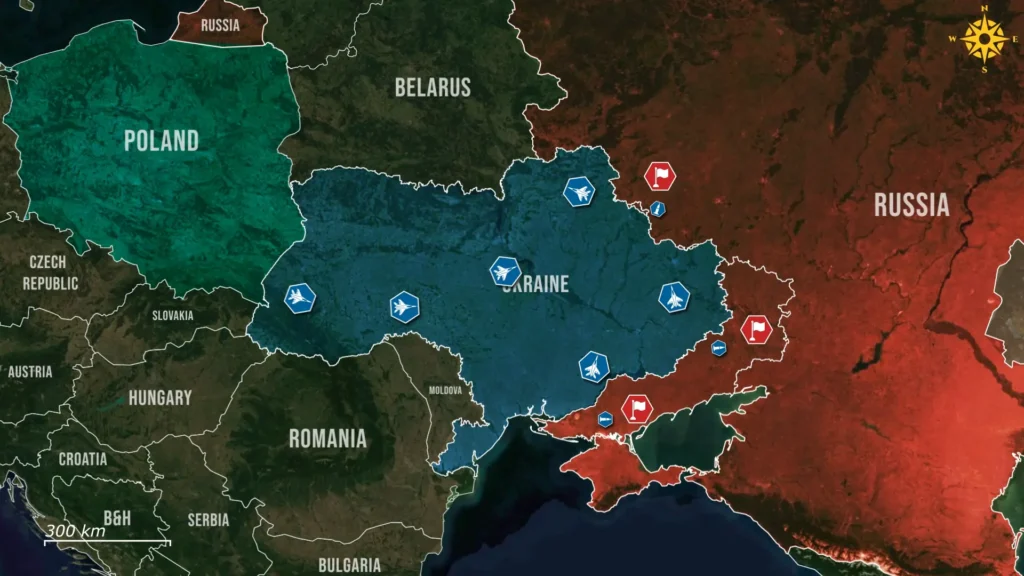
By using familiar aircraft paired with modern guidance kits, Ukraine can eliminate assault groups, command posts, and drone control sites in single, precise strike. If more Polish jets arrive on schedule, Russia's force groupings near the frontline will continue to be reduced to rubble.
In our regular frontline report, we pair up with the military blogger Reporting from Ukraine to keep you informed about what is happening on the battlefield in the Russo-Ukrainian war.