

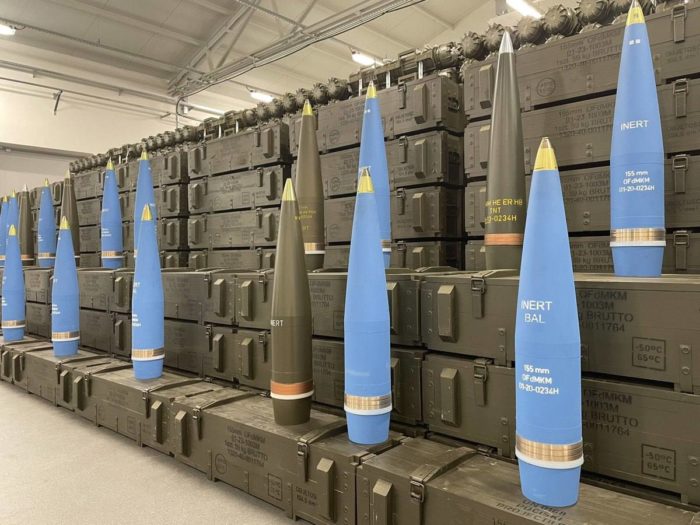
Fifteen European Union member states plan to purchase Ukrainian weapons through the bloc’s €150 billion ($177 billion) SAFE program, according to the European Commission.
The defense fund lets EU states buy weapons using EU-backed loans, with Ukraine’s manufacturers now eligible as suppliers. Ukraine’s Ministry of Defense outlined the country’s integration on 29 December.
Closing a gap
The shift addresses a costly mismatch. Ukrainian factories can produce $35 billion worth of weapons annually, but have only $12 billion in orders—roughly 55% of capacity sits idle.
“2025 capacity was estimated at USD 35B, while expected procurement was USD 12–12.5B — meaning up to ~60% of capacity remains uncontracted,” Ihor Fedirko, CEO of the Ukrainian Council of Defence Industry, wrote in a year-end assessment.
Meanwhile, European states pay $4,000-8,000 per 155mm artillery shell from domestic suppliers. Ukrainian manufacturers produce the same NATO-standard ammunition for approximately $1,500.
The program is already expanding beyond EU borders. Canada completed negotiations on 1 December to join SAFE, the first non-European partner. Prime Minister Mark Carney’s office said the partnership will “provide vital support for Ukraine and strengthen the resilience of Ukraine’s defense industry.”
What Ukraine offers
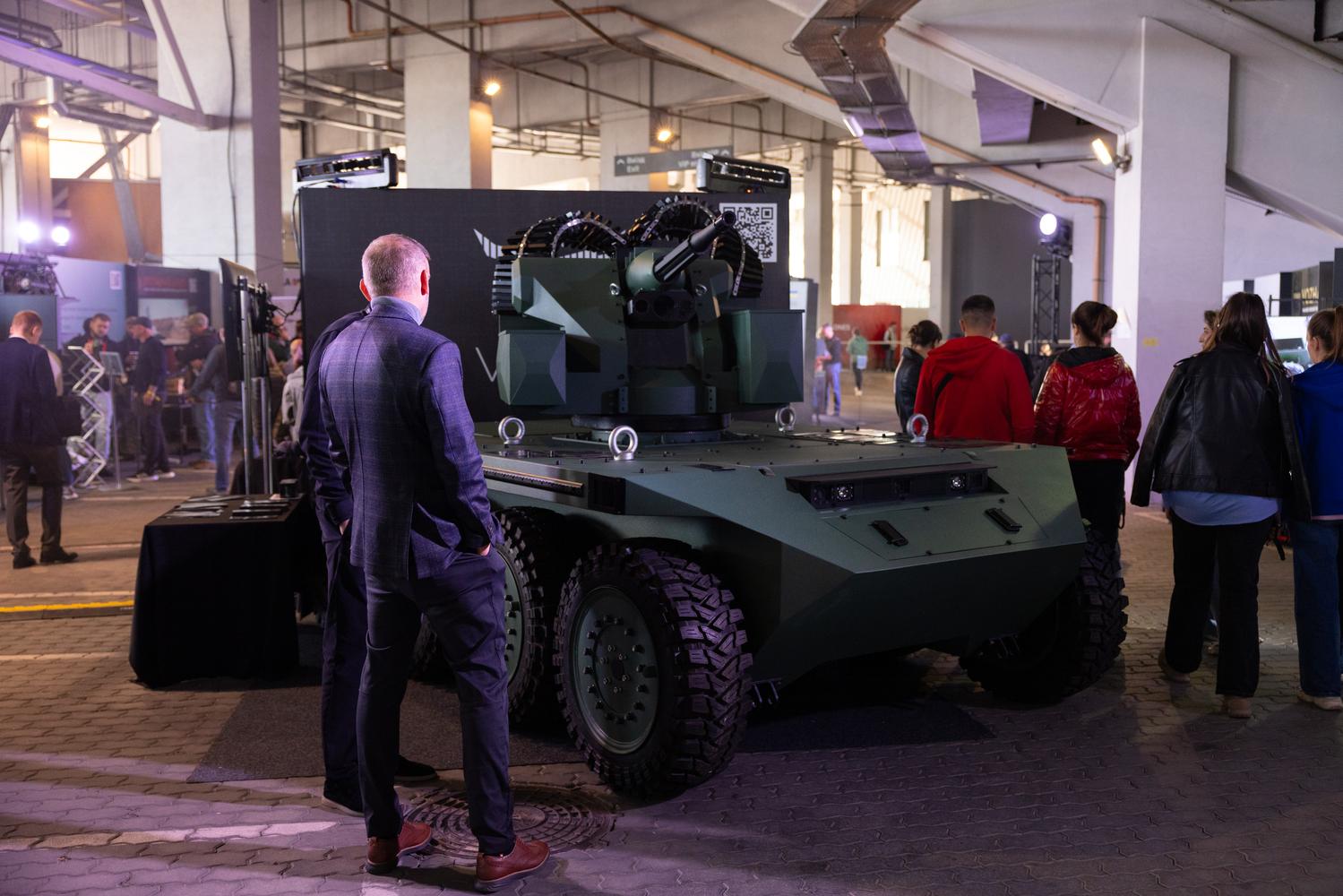
Ukraine has already presented specific projects to SAFE partners, including contracts that extend through 2030, covering drones, aviation, and ground systems. Domestic missile production surged eightfold in 2024, Fedirko noted, with the trend continuing through 2025.
EU states showed particular interest in Ukraine’s drone and missile capabilities—technology hardened against Russian electronic warfare that Western contractors lack experience countering.
The integration is already producing results. Ukrainian startup Himera supplies the US Air Force with combat radios designed to resist Russian jamming and secured its first government contract with a European NATO member this year.
Trending Now
EU states showed particular interest in Ukraine’s drone and missile capabilities—technology hardened against Russian electronic warfare.
The unnamed country’s military gave the systems high marks for low radio visibility, electronic warfare resistance, and adaptability to modern combat.
Other Ukrainian manufacturers are opening facilities across Europe—TSIR, Skyeton, and FlyWell have established or are building production lines in Slovakia, Denmark, Germany, and Finland to access Western financing while maintaining frontline supply.
The European Commission is reviewing 19 national investment plans submitted on 30 November. Council decisions are expected in Q1 2026, with first contracts to follow.


