

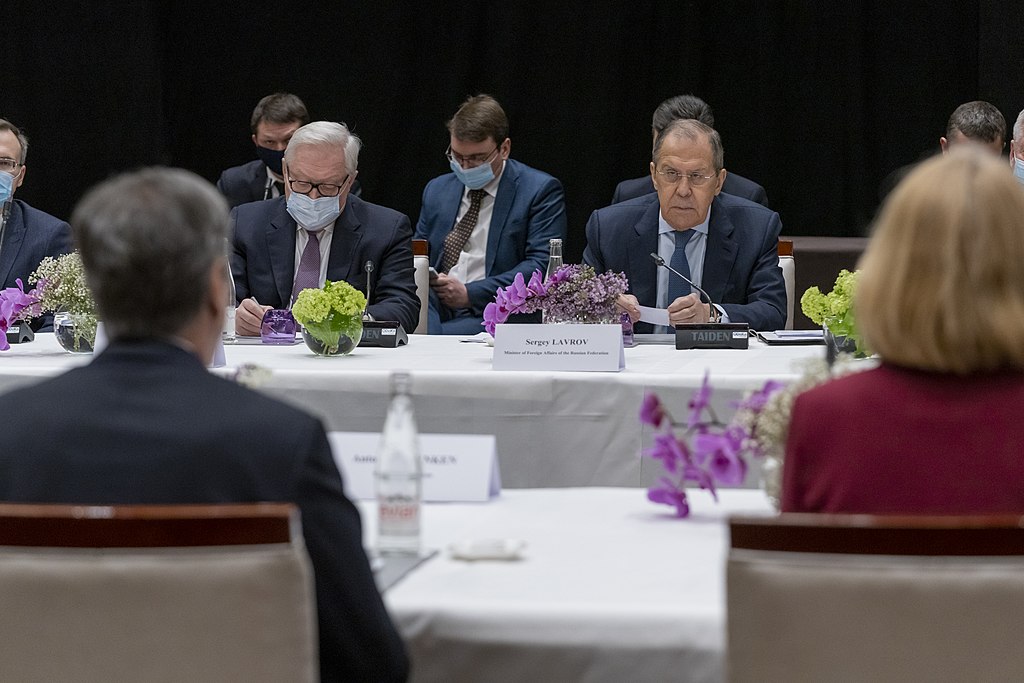
American officials emerged from Berlin talks Monday claiming "literally 90 percent" of issues between Russia and Ukraine have been resolved, with the Trump administration offering Kyiv its strongest security pledge yet: Article 5-style guarantees approved by Congress.
The same day, Russia's Deputy Foreign Minister Sergey Ryabkov told ABC News that Moscow "cannot, in any form, compromise" on its control of five Ukrainian territories — Crimea, Donetsk, Luhansk, Zaporizhzhia, and Kherson oblasts. "We have five altogether," he said, ruling out any flexibility.
Russia's territorial demands vs Ukraine's position
Russia currently occupies roughly 80% of these four oblasts (excluding Crimea), leaving major Ukrainian cities including Kherson, Zaporizhzhia, Kramatorsk, and Sloviansk under Kyiv's control. Ukraine has signaled it might consider territorial concessions only in Donbas — and only in exchange for ironclad security guarantees. The other oblasts haven't been on Ukraine's negotiating table.
Russian forces haven't demonstrated the capability to capture cities of this scale since early 2022. Yet whether Moscow is signaling a firm position on all five territories or just testing the ground remains to be seen.
US security guarantees clash with Russia's red lines
Ryabkov also drew a hard line on any Western military presence in post-war Ukraine.
"We definitely will not at any moment subscribe to, agree to, or even be content with, any presence of NATO troops on the Ukrainian territory," he told ABC News — rejecting both the proposed peacekeeping force and the "Coalition of the Willing" that European leaders have championed for months and outlined in their statement after the Berlin meeting on Monday.
The Trump administration's "Article 5-like" offer, reported by Politico, would involve US security guarantees ratified by Congress. German Chancellor Friedrich Merz called the proposal "remarkable." But these same guarantees depend on European troops deployed to enforce any ceasefire — exactly what Russia says it will never accept.
"Those guarantees will not be on the table forever," a senior US official warned, adding implicit pressure for Ukraine to accept quickly. "Those guarantees are on the table right now if there's a conclusion that's reached in a good way."
Zelenskyy drops NATO bid, but Russia wants more
Over the weekend, Zelenskyy conceded that Ukraine would not seek NATO membership — a position Russia has demanded since 2022. The move was meant to remove one major obstacle.
But Ryabkov's Monday interview made clear that blocking NATO membership isn't enough. Russia wants no NATO presence at all, even in a peacekeeping capacity, even as mere observers. The very mechanism Western allies proposed to guarantee Ukraine's security is the one Moscow has explicitly rejected.
US officials said they "believe the Russians, in a final deal, will accept all these things which allow for a strong and free Ukraine." They offered no explanation for why Moscow would reverse positions it publicly hardened hours earlier.
What has been agreed in Ukraine peace negotiations?
The Kremlin confirmed Monday it expects updates from Washington on the Berlin talks but offered no indication it was prepared to soften its demands. Spokesman Dmitry Peskov said Putin "is absolutely not open to any tricks aimed at stalling for time."
Working groups are expected to convene in Miami this weekend, where military officials will "pore over maps" to resolve territorial disputes. They left Zelenskyy with what they called "thought-provoking ideas" on bridging gaps — but declined to specify what those ideas were, Politico reported.
Trump, briefing reporters at the White House, said he'd spoken with both Zelenskyy and Putin. "I think we're closer now than we have been ever," he said. Asked about a deadline for the security guarantees, he replied: "The time limit is whenever we can get it done."
The gap between American optimism and Russian demands will be tested in the days ahead — assuming both sides are even negotiating over the same map.


