

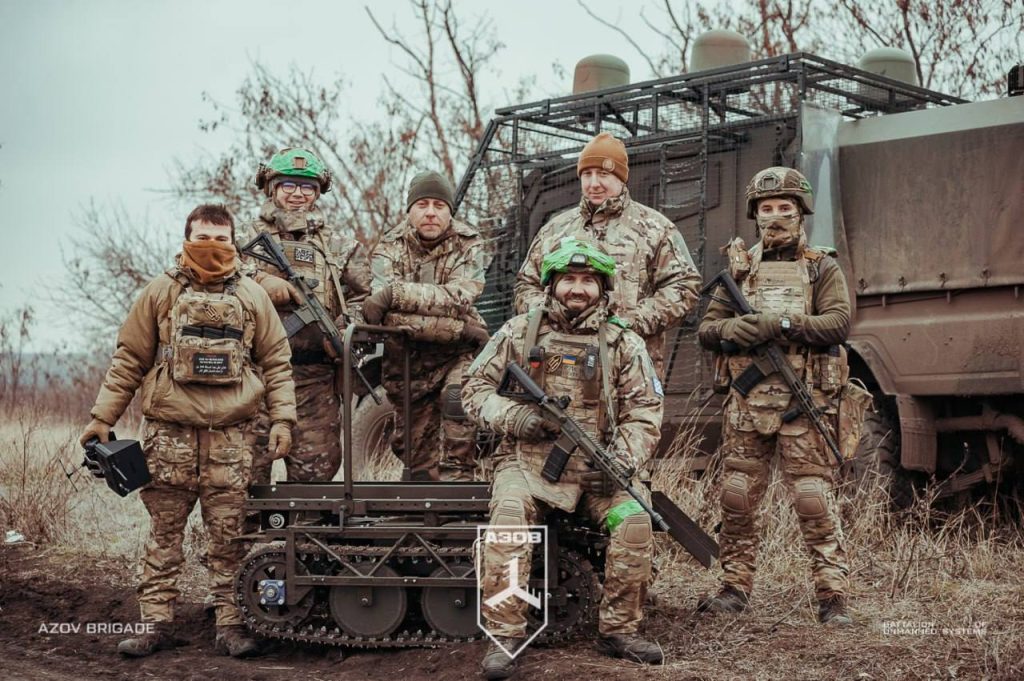
Several Ukrainian combat brigades have shifted a significant share of frontline logistics to drones, replacing soldiers and vehicles in some of the most dangerous supply routes, according to Militarnyi. Ground-based robotic systems and heavy aerial drones now deliver ammunition and other necessary supplies to forward positions, reducing human exposure to Russian drone kill zones. Operators say this shift emerged as Russian surveillance and ambush tactics made traditional logistics increasingly deadly, the report says.
Drones take over logistics near the front line
Referring to interviews with drones operators, Militarnyi reports that Ukrainian ground drones have partially or fully replaced human logistics teams in several combat brigades of the Defense Forces. Unmanned platforms now handle deliveries in areas where Russian drones constantly monitor roads, mine approaches, and stage drone ambushes. These kill zones reach up to 5 kilometers deep and exceed 20 kilometers in the most intense sectors.
"The primary reason for the increasing robotization of transport operations near the front is the emergence of numerous 'kill zones' in the rear of the Defense Forces’ forward positions, where enemy drones maintain constant surveillance, mine roads, and conduct drone ambushes along access routes," Militarnyi wrote.

Ukrainian combat robot equipped with Browning 12.7 mm heavy machine gun held infantry position alone for 1.5 months
The 3rd Separate Assault Brigade became one of the most advanced units in adopting this approach. The brigade now relies entirely on ground robotic systems (NRKs) and heavy Vampire multirotor aerial drones to supply its forward positions. Drone operators transport up to 40 tons of cargo each week, sustaining five battalions in frontline areas.
Makаr, commander of the NC13 strike robotic unit, told Militarnyi that ground drones once handled up to 80% of logistics during the summer. He said their share dropped to about 50% due to worsening weather and limited drone availability.

Azov and Air Assault units expand unmanned supply chains
The Azov Brigade also transferred most frontline transport missions to ground robotic systems. Its drones deliver 20–25 tons of supplies every month to combat positions. Operators said Russian drones destroy more than 10 robotic platforms each month, which they described as the equivalent of dozens of saved lives.
Trending Now
Air Assault Forces units show similar patterns. One brigade moves 10–12 tons of supplies per month using drones, accounting for roughly 80% of all deliveries to the front line.
Oleksandr Yabchanka, head of robotic systems for the Da Vinci Wolves battalion, said ground robotic complexes became almost the only alternative to armored vehicles over the past year.
What drones carry — and what they replace
Unmanned systems now transport weapons, ammunition, fuel, drone batteries, food supplies, and blood for transfusions. These deliveries allow frontline units to operate autonomously for extended periods. In some cases, drones are also used to evacuate wounded soldiers or retrieve the bodies of fallen troops, tasks previously linked to heavy losses.
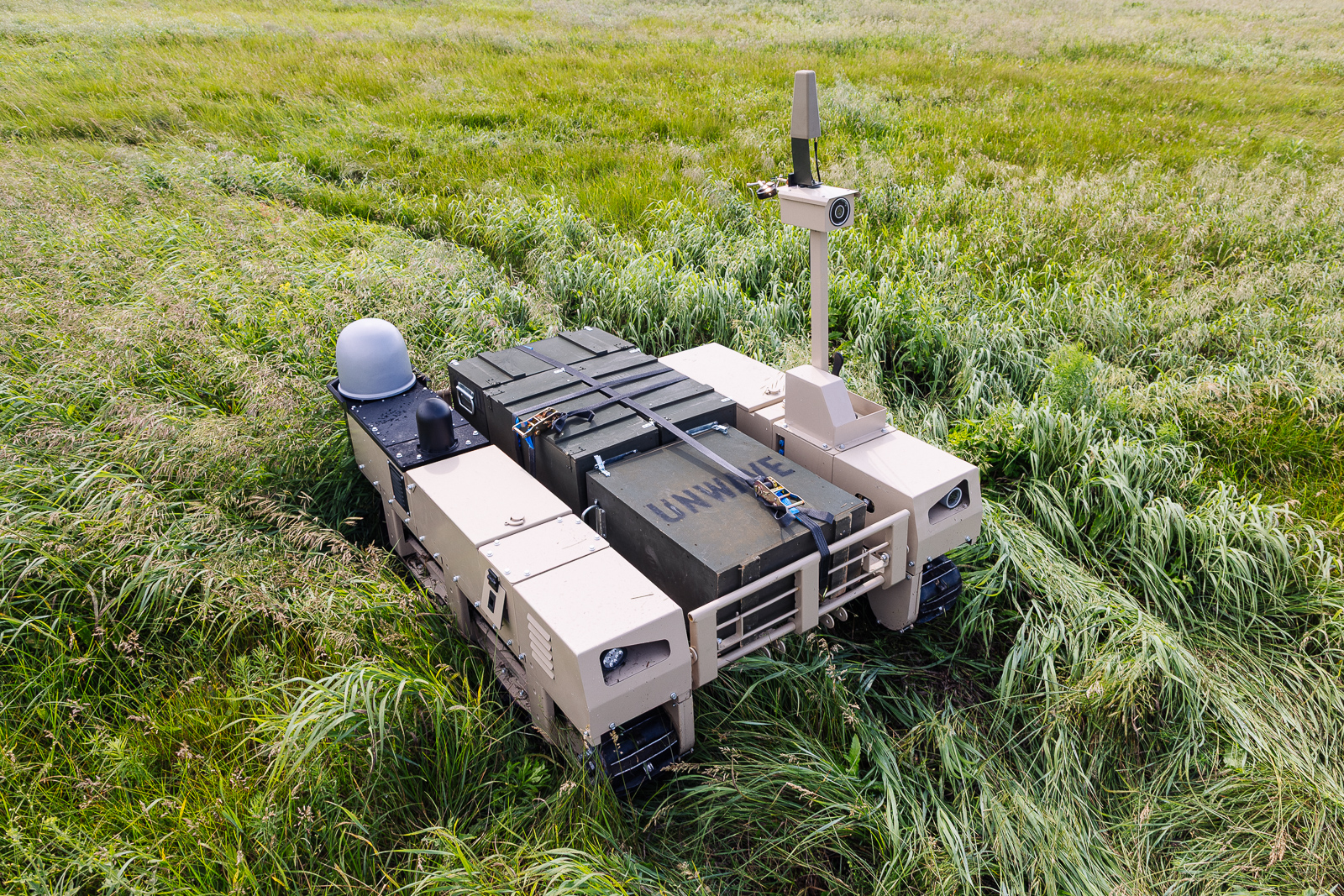
Operators stressed that medical evacuation using ground drones remains "a dangerous adventure." The platforms move slowly, stay exposed for long periods, and can lose signal or overturn. An Azov operator said his unit limits robotic evacuations to fallen soldiers, avoiding wounded evacuations due to the danger posed by Russian drone saturation.
Read also
-
Drones hit deep into Russia again — this time, it’s Yaroslavl’s oil refinery 700 km from Ukraine’s border (VIDEO, MAP)
-
Ukrainian forces crush Russian mechanized assault near Pokrovsk under cover of bad weather (VIDEO, MAP)
-
Ukraine’s new “Bullet” drone already downing Shaheds weeks after trials ended


