


South Africa is negotiating with Russia to bring home 17 men who were allegedly tricked into joining the Russian military and sent to the frontlines in Ukraine, according to The Guardian. The men had reportedly believed they were traveling for political or security training but ended up in combat roles in Russia’s war against Ukraine.
Presidency confirms talks with Russia over stranded South African men
South African President Cyril Ramaphosa’s office said it is holding sensitive discussions with Russian authorities in an effort to secure the release of the men. Vincent Magwenya, spokesperson for the presidency, stated that the situation remains dangerous for the individuals involved, The Guardian says.
“They are in a dangerous environment. They are facing grave, grave danger to their lives,” Magwenya said during a press briefing on 15 December. “We are still in discussions with various authorities, both in Russia as well as in Ukraine, to see how we can free them from the situation they are in.”
He noted that the focus of the government’s engagement is with Russia, not Ukraine.
“The emphasis is more with the authorities in Russia and less so with the authorities in the Ukraine, because the information that we have is that they were bungled into the Russian military forces,” Magwenya said.
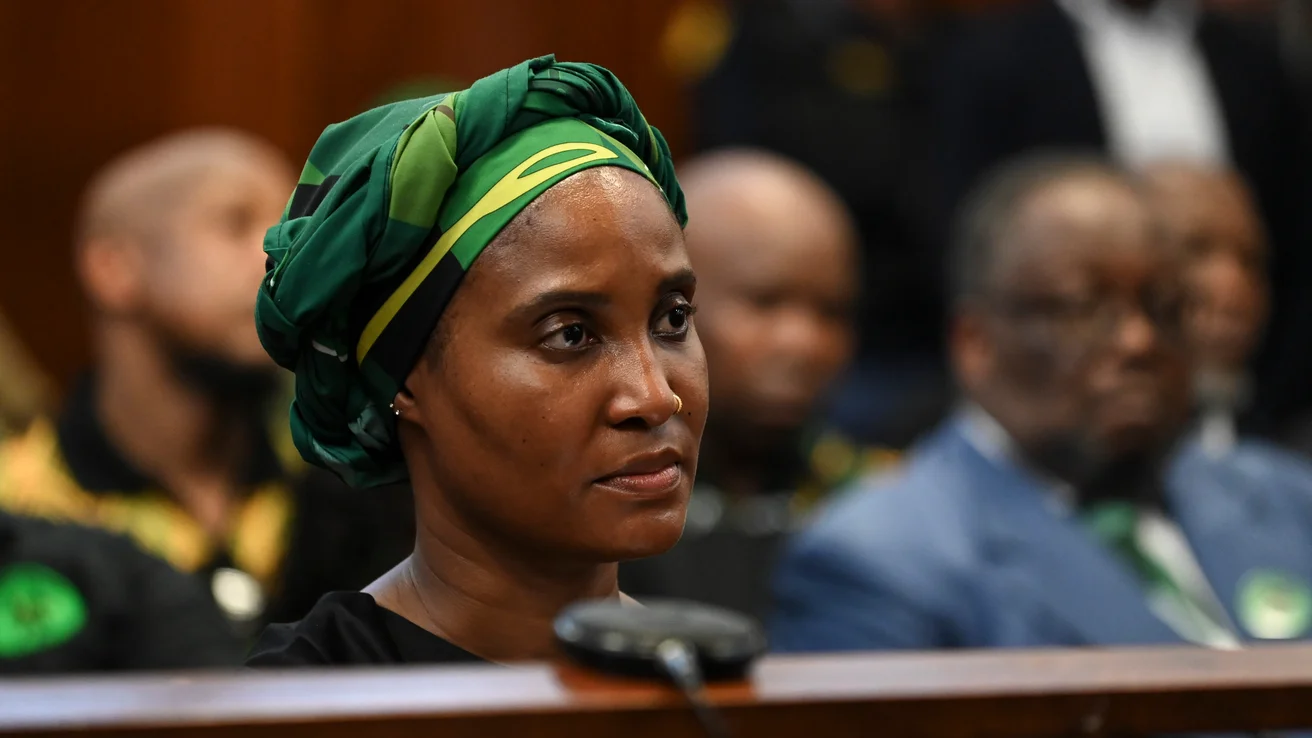
Jacob Zuma’s daughter quits parliament amid claims she sent South Africans to fight for Russia
Zuma’s daughter accused in multiple lawsuits over deceptive recruitment
The Guardian noted that legal complaints accuse Duduzile Zuma-Sambudla of misleading 17 South African and two Botswanan men into traveling to Russia in July, allegedly under false pretenses. Another Zuma's daughter, Nkosazana Zuma-Mncube, filed a police report claiming deceptive recruitment, while Zuma-Sambudla later claimed she herself was misled by one of the other accused individuals
Families say the men are suffering in Russian military service
South Africa confirmed receiving distress calls from the men on 6 November, with families later protesting in Durban for their return. Mothers told local and international media that the men were being ill-treated, losing contact, and feared forced deployment to the front lines in Ukraine.


