


The European Union can now sanction individuals conducting hybrid attacks against member states.
The Council introduced a new sanctions criterion on 15 December targeting those who “undermine or threaten democracy, the rule of law, stability or security in the EU.”
The decision came days after Washington announced it would lift sanctions on Belarus’s potash industry—a stark illustration of widening transatlantic divergence.
“If the Belarus regime doesn’t change its behavior, we might be both at different speeds and at different directions with the US,” Lithuanian Foreign Minister Kestutis Budrys said in Brussels.
What the EU can now target
The new framework covers four categories of hostile action, Ukrainska Pravda reported:
- Foreign information manipulation and interference
- Actions targeting democratic institutions or public services
- Critical infrastructure attacks or systematic disruption
- Unauthorized border crossings—covering Belarus’s weaponization of migrants
Before this decision, the EU’s Belarus sanctions regime had no mechanism to designate individuals specifically for hybrid warfare. Now it does.
Balloon attacks prompted the move
The Council cited weather balloon incursions into Lithuania as the direct trigger. Since January 2025, balloons launched from Belarus have disrupted hundreds of flights, resulting in substantial losses for airlines and passengers.
Each balloon carries up to 50 kg of payload, flies at 8-15 km altitude, and travels at speeds of 100-200 km/h—posing serious risks to civil aviation. Lithuania declared a state of emergency on 9 December. Experts say Belarus and Russia are jointly testing EU limits.
US moves toward Minsk
Washington took the opposite path. Last week, a US envoy visited Minsk and announced sanctions relief for Belaruskali, BPC, and Agrorozkvit—Belarus’s major producers of potassium-based fertilizers. Hours later, Lukashenka released 123 political prisoners, including Nobel Peace Prize laureate Ales Bialiatski.
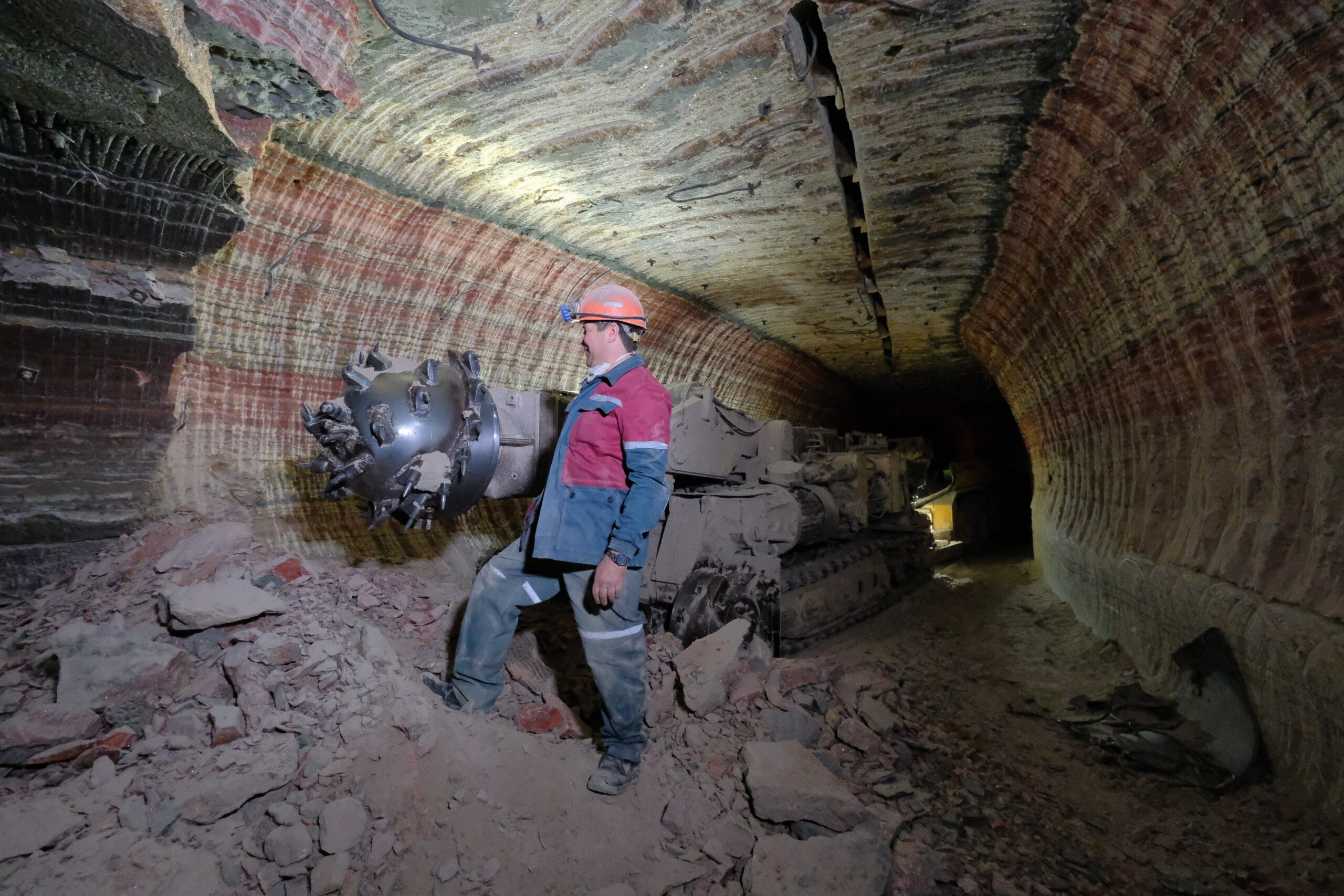
The potash deal reflects American agricultural interests—the US imports 85% of its potash from Canada alone, and added the mineral to its list of critical resources in 2025. Belarus holds 23% of the world’s reserves of the mineral, which has no synthetic substitute.
While Washington trades sanctions relief for prisoner releases, Brussels is building legal infrastructure for a longer confrontation.


