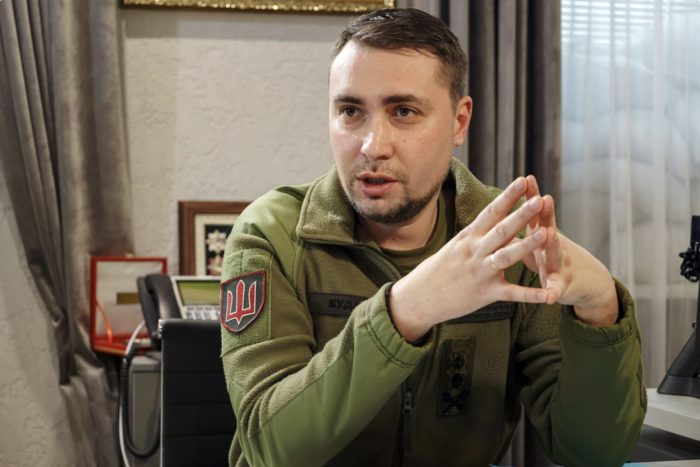


Ukrainian President Volodymyr Zelenskyy has named five candidates for head of the Presidential Office—and admits each one creates a problem he's not sure how to solve, he told journalists aboard a plane after a working visit to the United Kingdom on 8 December, Suspilne reported.
"I don't want it to be like in that game of Jenga, when you pull out one piece and everything falls apart," Zelenskyy said.
The position has stood vacant since 28 November, when Andriy Yermak resigned hours after anti-corruption agents searched his apartment as part of Operation Midas—the investigation into $100 million in alleged embezzlement at state nuclear company Energoatom. Yermak had concentrated unprecedented power during his tenure, controlling everything from peace negotiations to military appointments. Now Zelenskyy must fill the gap without collapsing the rest of his government.
Why ministers can't simply move over
The candidates include Defense Minister Denys Shmyhal and Digital Transformation Minister Mykhailo Fedorov—both of whom would need parliamentary approval for dismissal before Zelenskyy could appoint them. The president expressed doubt that parliament and the Cabinet can find replacements, noting they still haven't filled vacancies at the Justice and Energy ministries.
The Defense Ministry poses particular difficulty.
"That's where the entire budget and responsibility are concentrated—it's priority number one right now," Zelenskyy said.
Deputy Foreign Minister Serhiy Kyslytsia helps with international affairs, but Zelenskyy said he's "not sure" Kyslytsia wants to handle domestic issues.
The Budanov question
Then there's Kyrylo Budanov.
The 39-year-old intelligence chief has built HUR into one of Ukraine's most effective instruments of war. His agency eavesdrops on Kremlin conversations, launches cyberattacks against Russian railways, coordinates drone strikes deep inside Russia, and has personally led operations in combat zones from Vovchansk to Pokrovsk. Russia has reportedly attempted to assassinate both Budanov and his wife.
"Budanov runs intelligence—this is an important direction," Zelenskyy said, without elaborating on whether he might be moved.
The dilemma is straightforward: Budanov's unique combination of operational daring and institutional credibility makes him hard to replace at HUR. But the same qualities that make him valuable in intelligence might serve Ukraine's war effort differently if applied to coordinating the entire presidential apparatus.
Deputy head of the Presidential Office Pavlo Palisa—a decorated colonel who fought in Bakhmut and studied at a US military college—also made Zelenskyy's list.
"Palisa is a very good military man, but right now his priority is war," Zelenskyy said.
A president without a right hand
The vacancy leaves Zelenskyy navigating peace talks with the Trump administration, managing a grinding front-line situation, and responding to the corruption scandal that brought down his closest ally—all without the institutional machinery and personal chemistry Yermak built over nearly six years.
Zelenskyy has held consultations with candidates and promised a decision "in the near future." But he also hinted at an interim solution: managing alone.
"In any case, for some time I can manage without the head of the Office," he said.