

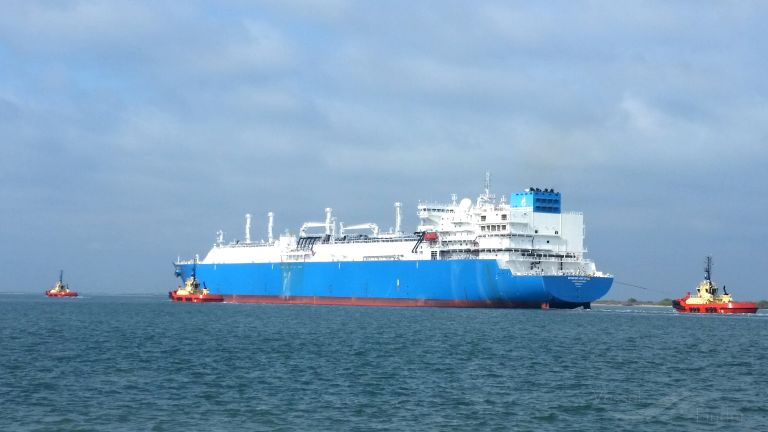
A Russian liquefied natural gas shipment reached China this week despite US sanctions that targeted both the vessel and the export facility, according to Bloomberg. The delivery marks the latest instance of deepening energy cooperation between Moscow and Beijing, as China continues to ignore Washington’s restrictions.
Russia’s sanctioned Portovaya plant quietly delivers gas to China
The Valera LNG carrier loaded fuel at the Portovaya terminal on the Baltic Sea in October, Bloomberg reports. Both the vessel and the terminal were blacklisted by Biden's administration in January as part of a wider push to curb Russian energy exports, before current US President Donald Trump assumed office. According to ship-tracking data compiled by Bloomberg, Valera arrived at the Beihai import terminal in southern China on "Monday" — Bloomberg didn't specify if it is today, 8 November, or a week ago — 1 November.
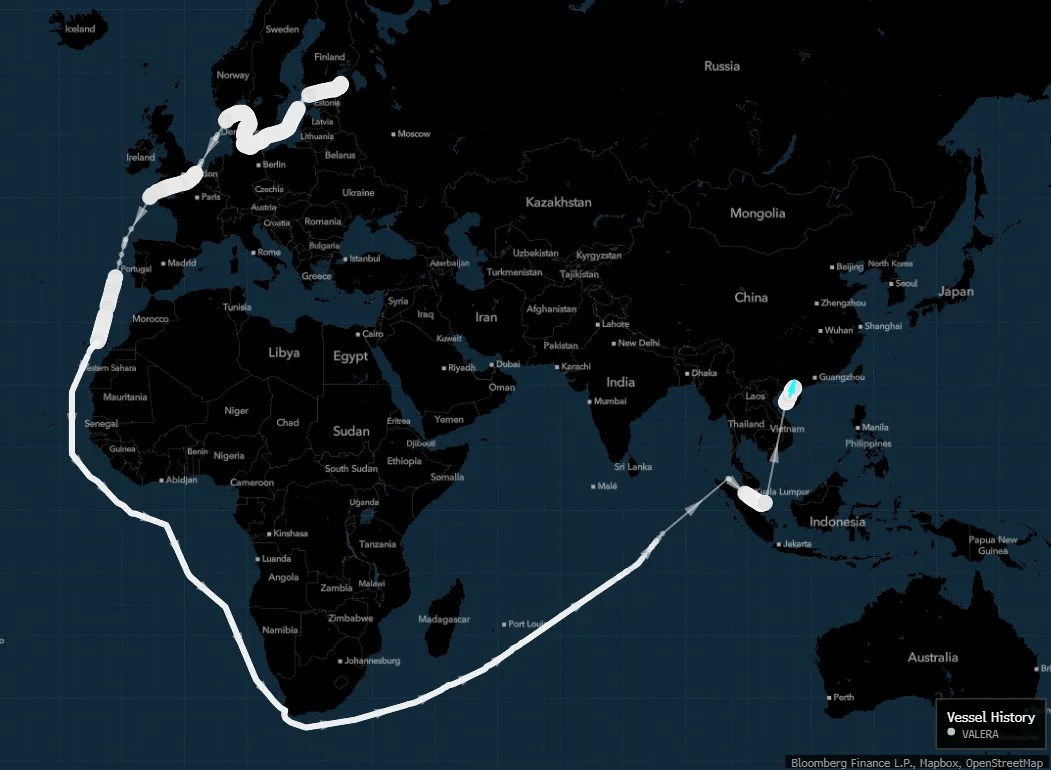
Despite the US, EU, and UK sanctions, the delivery proceeded without interruption. China does not recognize unilateral US sanctions and has instead increased its imports of blacklisted Russian gas in recent months. Bloomberg reports that Beijing has also ignored Trump’s broader efforts to halt Russian oil sales, a point expected to surface during upcoming trade talks between Washington and New Delhi.
19th sanctioned LNG shipment arrives in China since August
The Valera vessel is not an isolated case. Bloomberg reports that, if its cargo is fully unloaded, this would mark the 19th delivery from a blacklisted Russian LNG plant into China since August. Russia’s Arctic LNG 2 plant in Siberia — also sanctioned by the US — began sending fuel to Beihai in late August. Portovaya is one of two smaller Russian LNG export terminals on the Baltic Sea; the other, Vysotsk, is led by Novatek PJSC and has also been blacklisted.
Between September and November, total Russian LNG shipments to China — including those from unsanctioned facilities — rose by approximately 14% compared to the same period in 2024, according to Bloomberg’s analysis of shipping data.
Satellite imagery revealed ship-to-ship transfers and location spoofing earlier
In mid-October, satellite images showed a tanker loading at Portovaya and later transferring fuel to another ship registered to a Hong Kong-based company near Malaysia. That second vessel, known as CCH Gas, was seen sending out false location signals and was later detected near China. Its current whereabouts remain unknown.


