


Today, the biggest updates come from Moldova.
For three decades Russia treated Moldova as a captive buffer state, sustaining its grip through cheap gas, frozen conflicts, and bought politicians.
In 2025 Moldova finally called the bluff, while quietly dismantling every remaining Russian lever while Moscow’s threats grew louder yet rang increasingly hollow.

Russia formally named as primary threat
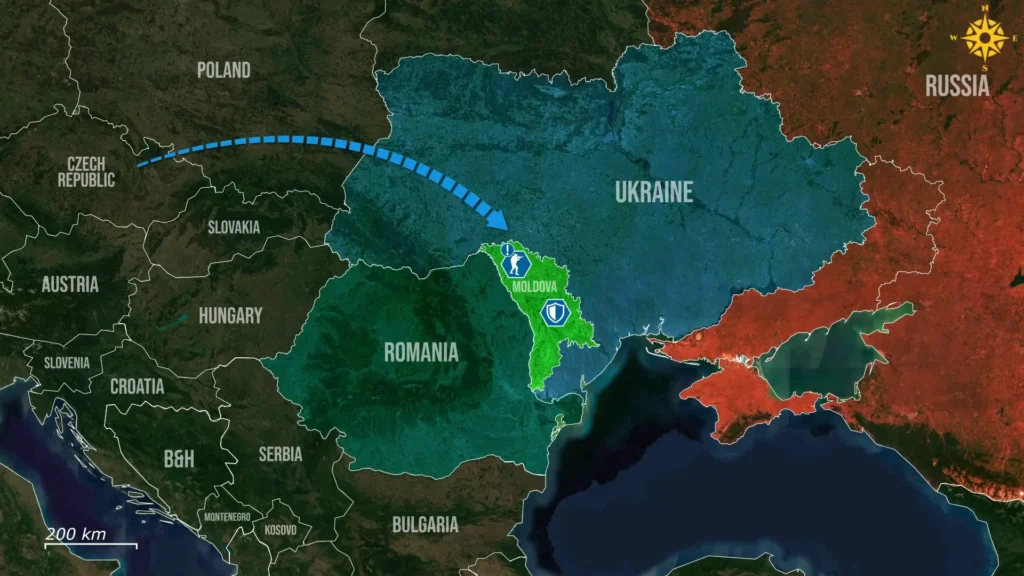
In October 2025, Moldova's government approved a groundbreaking military strategy for 2025 to 2035, explicitly designating Russia as the primary threat to national security.
This document, published on the official government website, warns of Moscow's westward expansion and potential creation of a land corridor through Ukraine to Moldova's borders.
To counter this, the strategy mandates integration into the EU's defense architecture, NATO-standard rearmament, and close cooperation with the alliance.
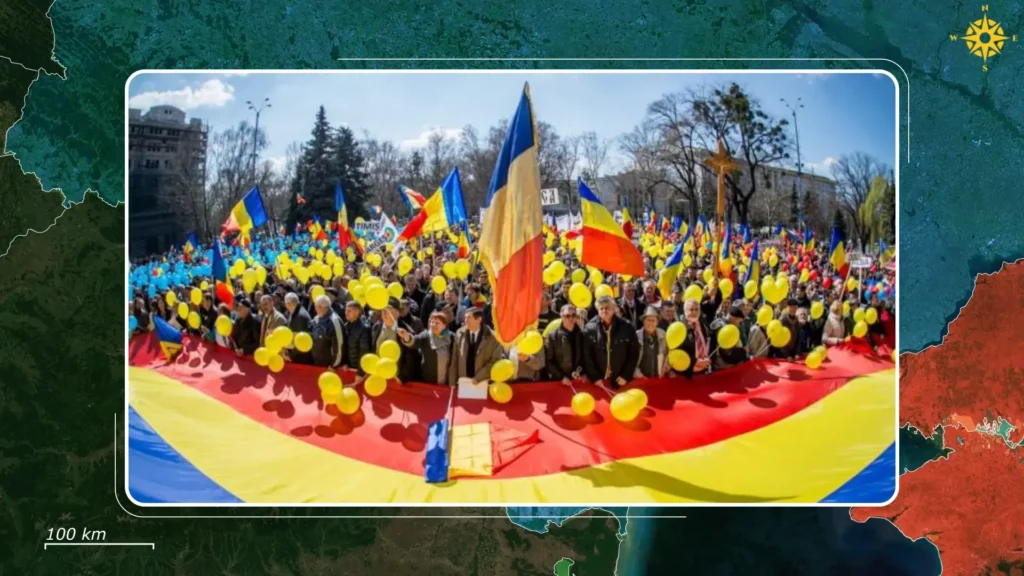
This shift signals a full military and social pivot toward the West, amplified by Romania's growing role as a security guarantor and economic lifeline, where unionist sentiments with Romania now polls at 31 to 44 precent support.
Pro-European forces secure decisive electoral victory
Russia's aggressive interference in Moldova's 2025 parliamentary elections, pouring funds into disinformation, vote-buying via apps like Taito, and mobilizing pro-Kremlin proxies, underscored Moscow's desperation to halt Chisinau's Western drift.
Despite these tactics, President Maia Sandu's pro-European party secured a decisive victory with over 50 percent of the vote, clinching an outright parliamentary majority and relegating pro-Russian forces to the sidelines, with 2 other pro Kremlin parties getting 8 and 6 percent respectively.
Moreover, not all opposition is Russophile, with one of the parties emerging as a vocal pro-reunionist voice, advocating for integration with Romanian as a shield against the Russian threat.

Moscow invokes "denazification" rhetoric
In response, Russian state media outlets explicitly called for the denazification of Chisinau, framing Moldova's pro-EU government as an extremist regime perpetrating genocide against Russian speakers in Transnistria and Gagauzia, directly echoing the pretexts used to justify the 2022 invasion of Ukraine.
This rhetoric intensified amid Moldova's crackdown on pro-Russian figures, such as the sentencing of Gagauzia's leader Evghenia Gutsul to seven years for alleged fraud tied to Kremlin funding, which Moscow decried as repression.
Pro-Kremlin voices, amplified calls for denazification to liberate these regions, portraying President Maia Sandu's decommunization efforts, such as erecting monuments to World War 2 era Romanian liberators, as glorification of German collaborators.
By invoking the playbook used in Ukraine, Russia is pre-emptively manufacturing moral cover for hybrid escalations or worse.

Gazprom weaponizes energy supplies
Additionally, Gazprom abruptly halted all natural gas supplies to Moldova, citing a disputed 700 million dollars debt from Moldovagaz, plunging the country into a severe energy crisis with blackouts and soaring tariffs.
This cutoff, timed amid Moldova's EU pivot, devastated Transnistria's electricity-dependent industry and left Chisinau scrambling for Romanian imports, exacerbating a 4% GDP budget deficit and 33% poverty rate.
Trending Now

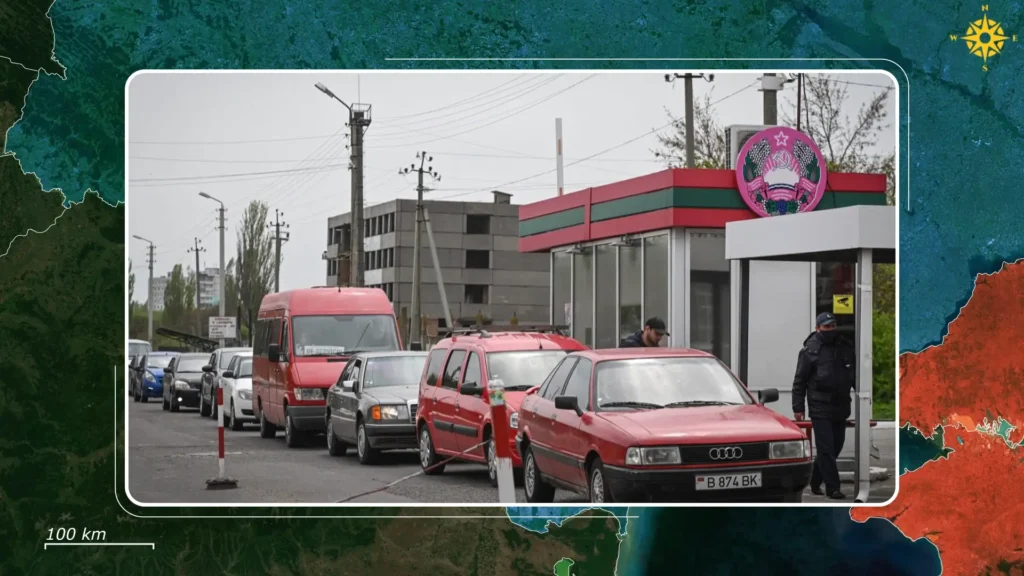
Moscow's ploy aims to weaponize these shortages, framing Western sanctions as the culprit to stoke public unrest and discredit Sandu's reforms, while unionist voices in Moldova push for deeper ties as a lifeline against this engineered freeze.
Chisinau diversifies and severs Russian gas dependence
In a bold defiance of Moscow's grip, Moldova severed all Russian gas imports, after Gazprom's abrupt cutoff amid disputed debts. Instead, diversifying supplies by importing from the EU and Azerbaijan, whose own rift with Russia over energy deals makes Baku a timely enemy of my enemy ally.

Reclaiming Soviet-era autonomous holdouts
Next, Chisinau is methodically reclaiming Soviet-era autonomous holdouts. In Gagauzia, a constitutional crisis from expired mandates and the jailing of pro-Russian leader Evghenia Guțul has enabled central oversight.
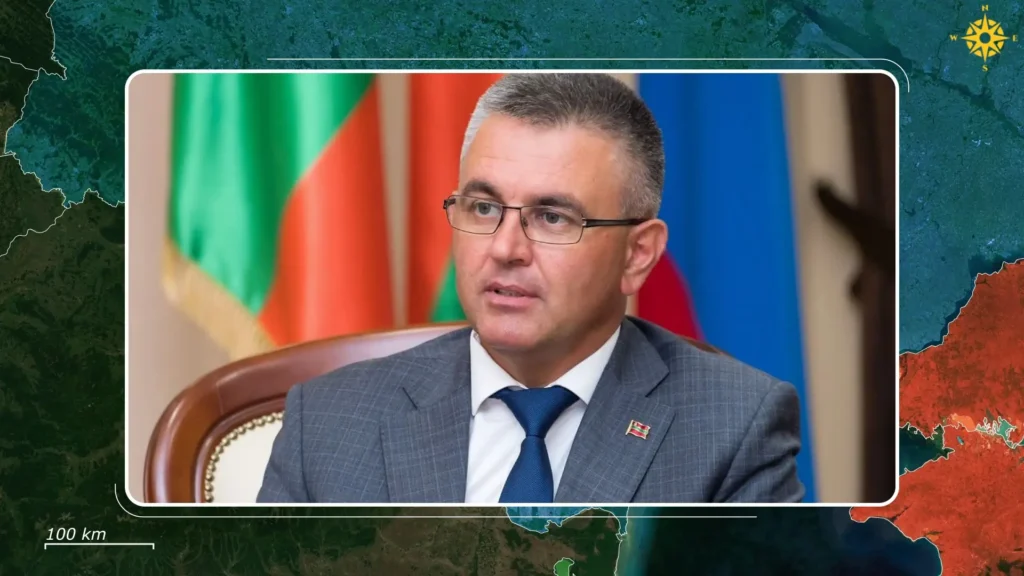
While Transnistria's gas-starved economy, deprived of subsidized flows, teeters toward collapse, fostering reintegration talks modeled on Gagauzia's autonomy, rather than the current de facto independence.

Systematic dismantling of Russian influence
Further assertions include extraditing fugitive oligarch Vladimir Plahotniuc, shutting the Russian House cultural center, and banning pro-Kremlin parties via anti-corruption probes.
Russia's influence crumbles as these moves expose Transnistria's isolation and Gagauzia's fractures, leaving Moscow's proxies alone and isolated, while Chisinau's EU path is unassailable.

The irreversible end of Moscow's grip
Overall, the collapse of Russian control over Moldova in 2025 marks the quiet but irreversible end of Moscow's post-Soviet empire in the former Bessarabia.
By weaponizing energy, elections, and separatist enclaves, the Kremlin overplayed a weakening hand and triggered the exact outcome it feared: a unified Moldovan state pivoting decisively toward Romania and the West.
What remains of Russian influence is now confined to a bankrupt Transnistrian enclave and a few thousand demoralized troops stationed there that it cannot sustain, while unionist sentiment, once marginal, has become the fastest-growing political force in the country.
Thirty-three years after independence, Moldova is finally escaping Moscow's orbit, not through war, but through the slow, deliberate strangulation of every lever Russia once possessed.
In our regular frontline report, we pair up with the military blogger Reporting from Ukraine to keep you informed about what is happening on the battlefield in the Russo-Ukrainian war.


