


Today, the biggest news comes from the Russian Federation.
Here, a wave of sabotage has recently erupted across Russian-controlled territory and deep inside Russia, revealing a level of underground resistance that Moscow has struggled to contain. What is striking is not just the spread of the incidents, but how they now appear in clusters, hitting logistics, communications, and security forces at the same time.
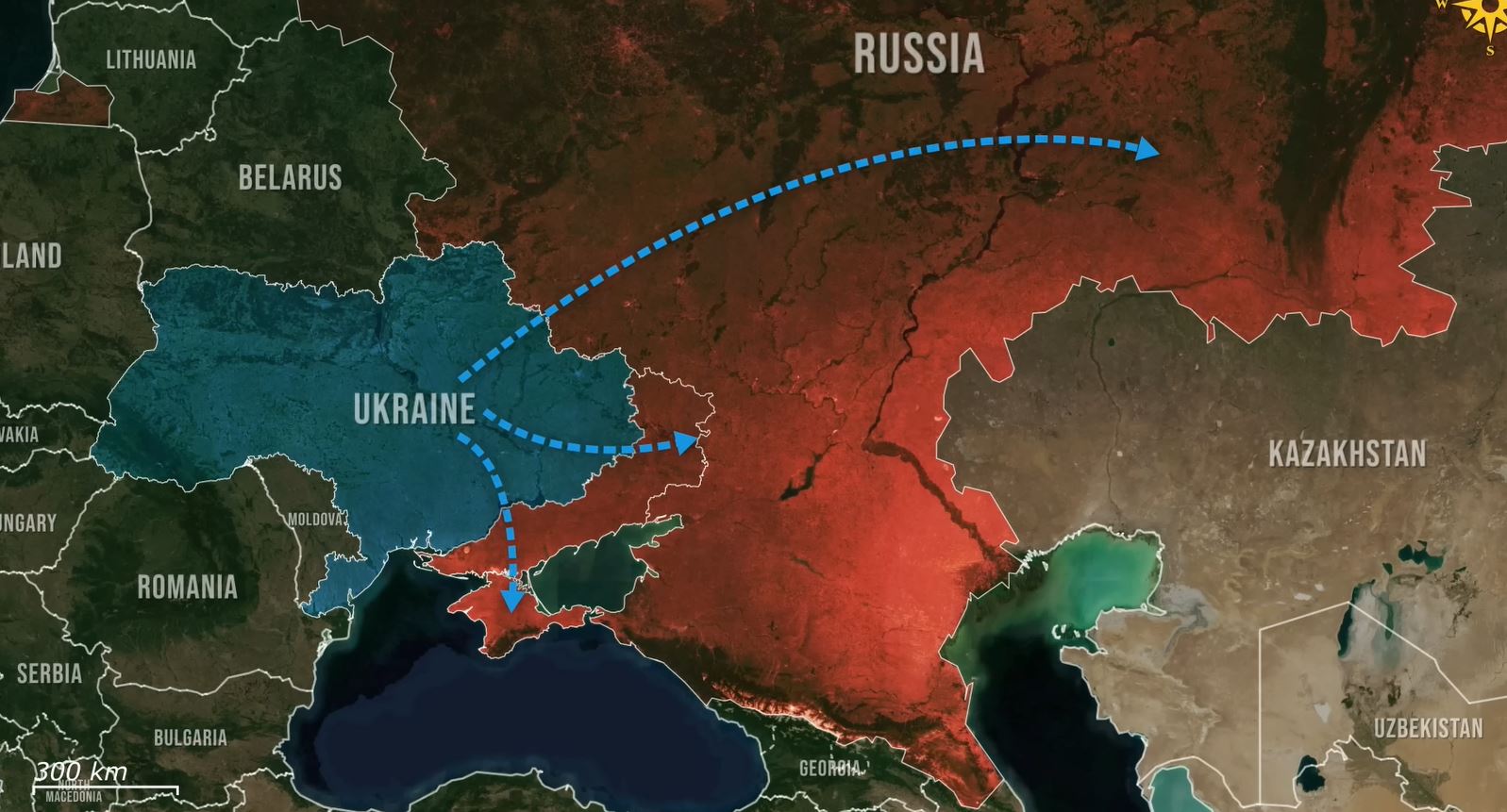
Resistance strikes frontline units and key infrastructure
The outburst along the front began with a series of sabotage attempts that show how close Ukrainian partisans now operate to Russian units. The clearest example comes from Melitopol, where resistance fighters tried to detonate a vehicle carrying a Russian drone crew as they prepared for operations. The attempt failed, but it set the tone for what followed.
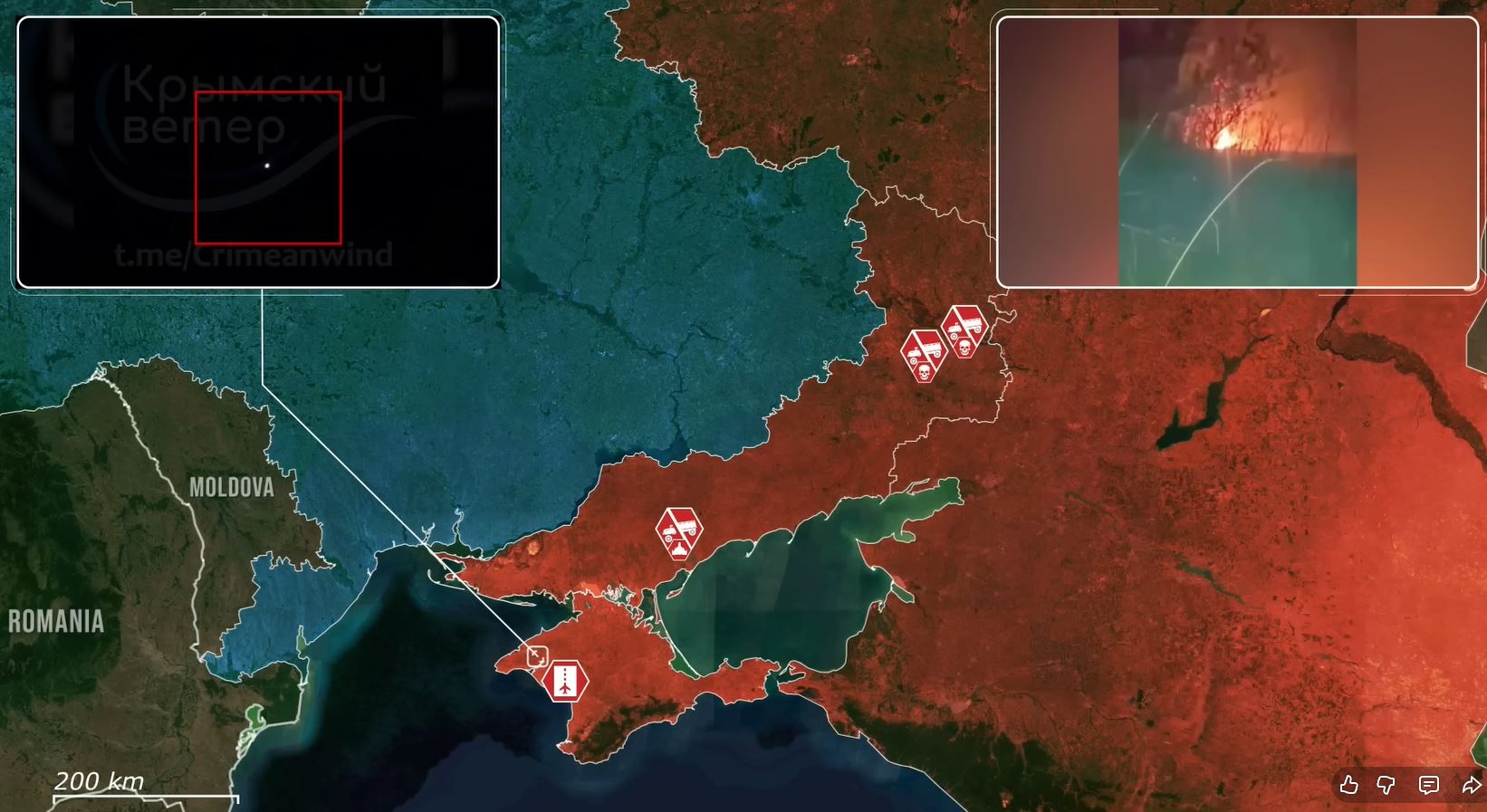
In Luhansk, explosives planted under two Russian vehicles detonated with far greater effect, killing four soldiers and underscoring how deeply partisan networks have embedded themselves in Russian-controlled settlements.
At the same time, Ukrainian infiltrators in Crimea recorded fighter jets taking off from Saky Airbase, giving Ukrainian intelligence real-time visibility into Russian flight patterns. These incidents differ in style but share the same message: that partisans are active at all hours, able to move close to Russian forces, and increasingly confident in targeting frontline logistics and surveillance assets.

ATESH partisans embedded in Russian railway troops destroy locomotive carrying military cargo in Rostov-on-Don (MAP)
Now the effect becomes clearer when looking at how these operations shape the front, as partisan attacks are rarely filmed, yet the number we do see already suggests a much larger scale beneath the surface. Every damaged vehicle or destroyed command node forces Russian units to pull infantry off the line and divert them to guard duty, convoy escorts, route sweeps, and constant patrols inside Russian-controlled towns, adding daily friction to already strained manpower and increasing the chances that more attacks will slip through.
Meanwhile, partisan intelligence gathering, such as recording aircraft departures, feeds Ukrainian strike planners with information that would otherwise require riskier reconnaissance flights. These networks identify troop movements, storage sites, and locations of electronic warfare systems, creating a constant background of uncertainty for Russian forces operating in areas they considered secure.
Coordinated sabotage reaches Russia’s heartland
At the same time, a new pattern is emerging far beyond the front, where sabotage inside Russia has increased sharply. In the Kursk region, a combined operation between Ukrainian special forces and a partisan group destroyed an Iskander transport loading vehicle used to prepare missiles for launch. A separate strike in the same area took out a Harmoniya radar supporting local air defense units. In Bashkortostan, arson attacks destroyed multiple communication towers, while in Vologda, a railway relay cabinet was taken out, disrupting traffic along a key route. In another wave of incidents stretching from Moscow to Irkutsk, electrical panels, relay boxes, and railway infrastructure were set on fire, with local officials describing the incidents as unexplained technical failures.
Trending Now
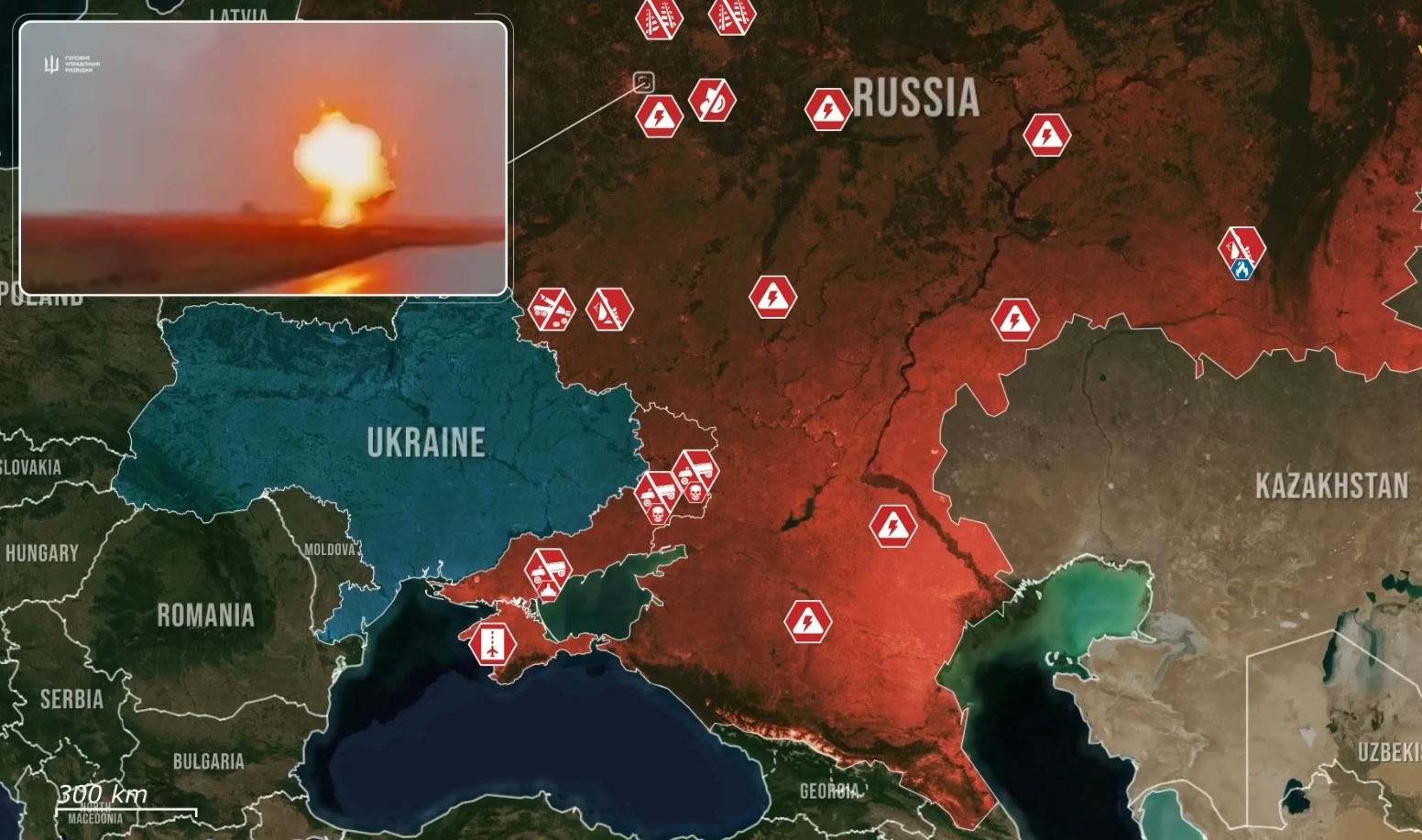
The most serious case came near Moscow, where infiltrators blew up sections of the Ring oil pipeline. The strike put all three fuel lines out of service, affecting gasoline, diesel, and aviation fuel supplies to several major refineries and forcing Russia to send emergency repair teams across the region. Now, the broader effect within Russia is harder for Moscow to ignore.
Moscow faces growing anti-war resistance from within
The spread of sabotage from Moscow to the Urals mirrors the growing anti-government mood in separatist circles, but here the motivation is not independence but direct opposition to the war. These are Russians who take personal risks to attack their own state, still limited in number but appearing with increasing frequency. Their involvement turns isolated incidents into a political signal, showing that resistance is no longer confined to Russian-controlled Ukrainian territories but is emerging inside the federation’s heartland, forcing the security services to defend a rear that is no longer reliably loyal.
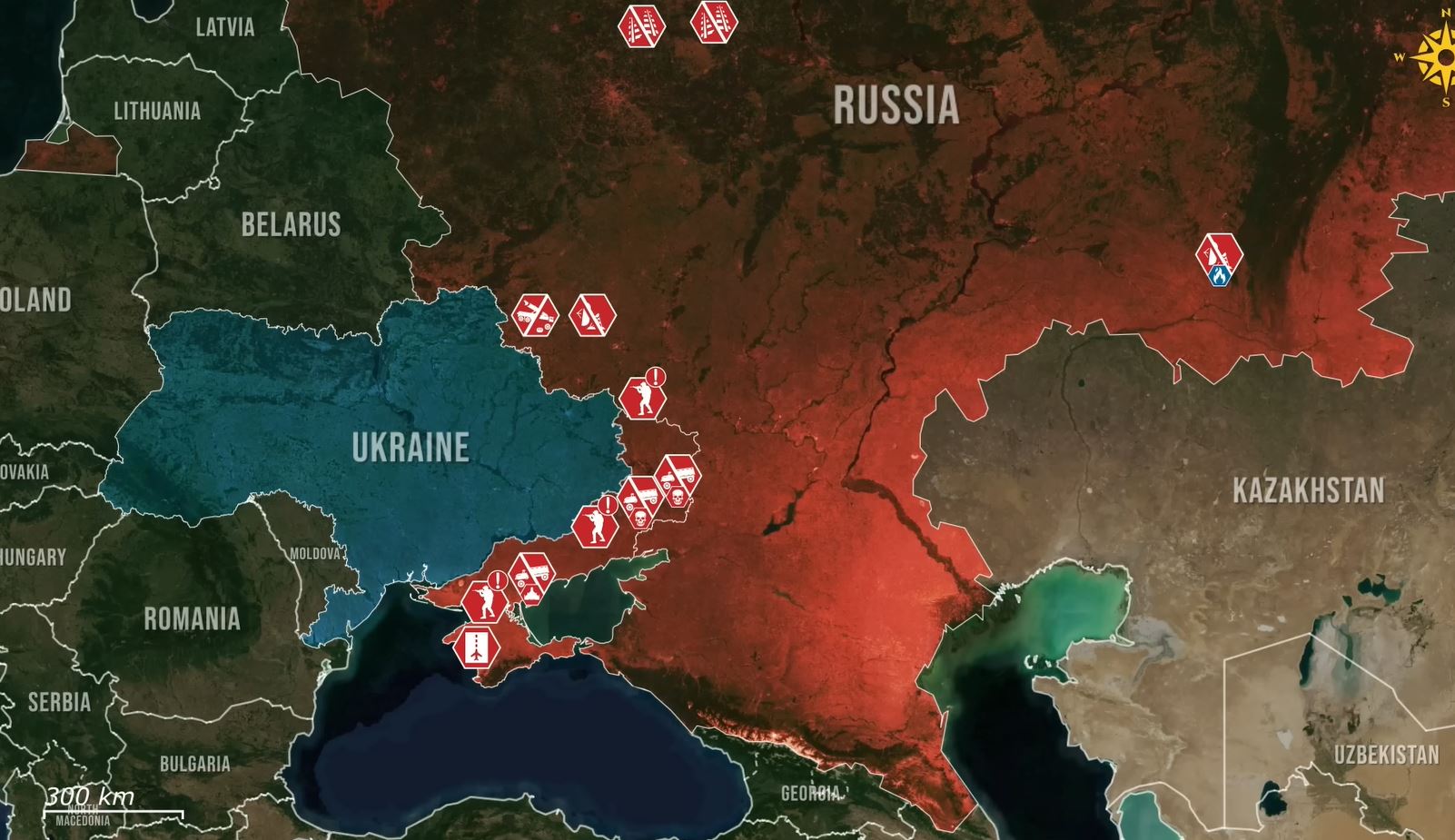
Sabotage undermines Russian war effort across all fronts
Overall, the surge in partisan and sabotage activity marks a shift in the internal pressure facing Russia. Along the front, resistance groups are disrupting logistics, collecting intelligence, and forcing Russian units to divert manpower away from combat. In the deep rear, strikes against railways, communications, and energy infrastructure expose structural weaknesses that Moscow cannot secure without further stretching its forces. The combination is placing continuous strain on Russia's ability to move troops, fuel, and equipment while revealing a level of domestic resistance the authorities can no longer conceal.
In our regular frontline report, we pair up with the military blogger Reporting from Ukraine to keep you informed about what is happening on the battlefield in the Russo-Ukrainian war.


