

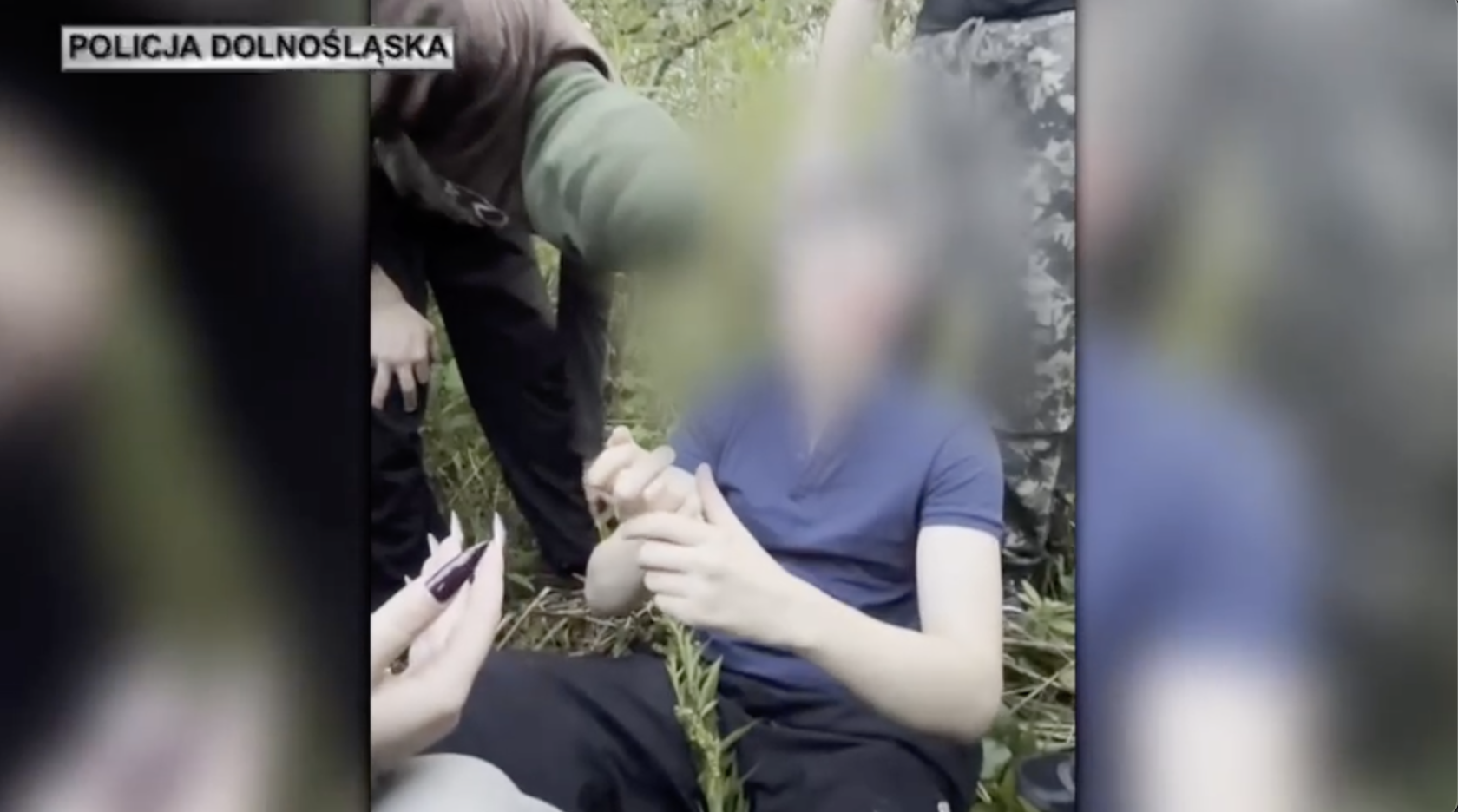
A 23-year-old Ukrainian was beaten, had his head shaved, and Nazi symbols drawn on his face in Wrocław, Poland. The attackers were young people, some minors, who had spent weeks setting up the encounter, according to Wrocław police.
Polish far-right groups exploit historical grievances, particularly the contested memory of the World War II Volhynia massacre, where Ukrainian nationalist factions killed tens of thousands of ethnic Poles—an event Poland officially recognizes as genocide, though historians note the broader context of mutual ethnic violence during the war that also saw Polish forces kill thousands of Ukrainians in retaliatory attacks.
Russian disinformation amplifies these wounds, pushing narratives that label Ukrainians as "Nazis" to weaken Poland's support for Ukraine during the ongoing war.
President Karol Nawrocki has vetoed aid to Ukrainian refugees and pushed for bans on Ukrainian nationalist symbols, reflecting nationalist currents within Polish politics. These political rifts are intensified by economic pressures and the presence of millions of Ukrainian refugees in Poland.
The group created a fake social media account posing as a 16-year-old girl interested in sexual contact. They messaged the man, built up correspondence, and arranged to meet in September.
When the victim arrived at the location, the group physically assaulted him, shaved his head, and marked his face with Nazi-related symbols while recording the attack, according to investigators from the Krzyki police station.
While police did not detail what prompted the attack, they stressed that vigilante actions are criminal and urged anyone with concerns about sexual propositions to minors to contact law enforcement instead.
Wrocław police stated the case involves both assault charges and what they described as "concerning ideological elements." The full severity of the law will apply, authorities said.
Investigators are now working to establish each participant's role. Some of the attackers are minors, which means family court proceedings will run alongside criminal charges.
The police also warned that "independent actions and attempts to 'dispense justice' can lead to tragic consequences — both for the victim and for the perpetrators."
The investigation continues.
Polish far-right groups exploit historical grievances, particularly the contested memory of the World War II Volhynia massacre, where Ukrainian nationalist factions killed tens of thousands of ethnic Poles—an event Poland officially recognizes as genocide, though historians note the broader context of mutual ethnic violence during the war that also saw Polish forces kill thousands of Ukrainians in retaliatory attacks.
Russian disinformation amplifies these wounds, pushing narratives that label Ukrainians as "Nazis" to weaken Poland's support for Ukraine during the ongoing war.
President Karol Nawrocki has vetoed aid to Ukrainian refugees and pushed for bans on Ukrainian nationalist symbols, reflecting nationalist currents within Polish politics. These political rifts are intensified by economic pressures and the presence of millions of Ukrainian refugees in Poland.


