


- Russia's Tu-22M bombers haven't been a serious threat to Ukraine for a year
- That may change soon as the bombers move closer to the Ukrainian border
- There are signs Russia is rebuilding the battered Tu-22M fleet with refurbished airframes
The Russian air force's Tupolev Tu-22M Backfire bombers have been mostly idle for a long time. But that may be changing. They could pose a new threat to Ukraine as the winter deepens and Ukrainian air defenses struggle to defeat increasingly powerful Russian air raids targeting Ukrainian cities and electrical infrastructure.
In an unusual move around 25 November, the Russian redeployed 16 of the twin-jet, swing-wing from Belaya air base in Siberia to Olenegorsk in northern Russia.
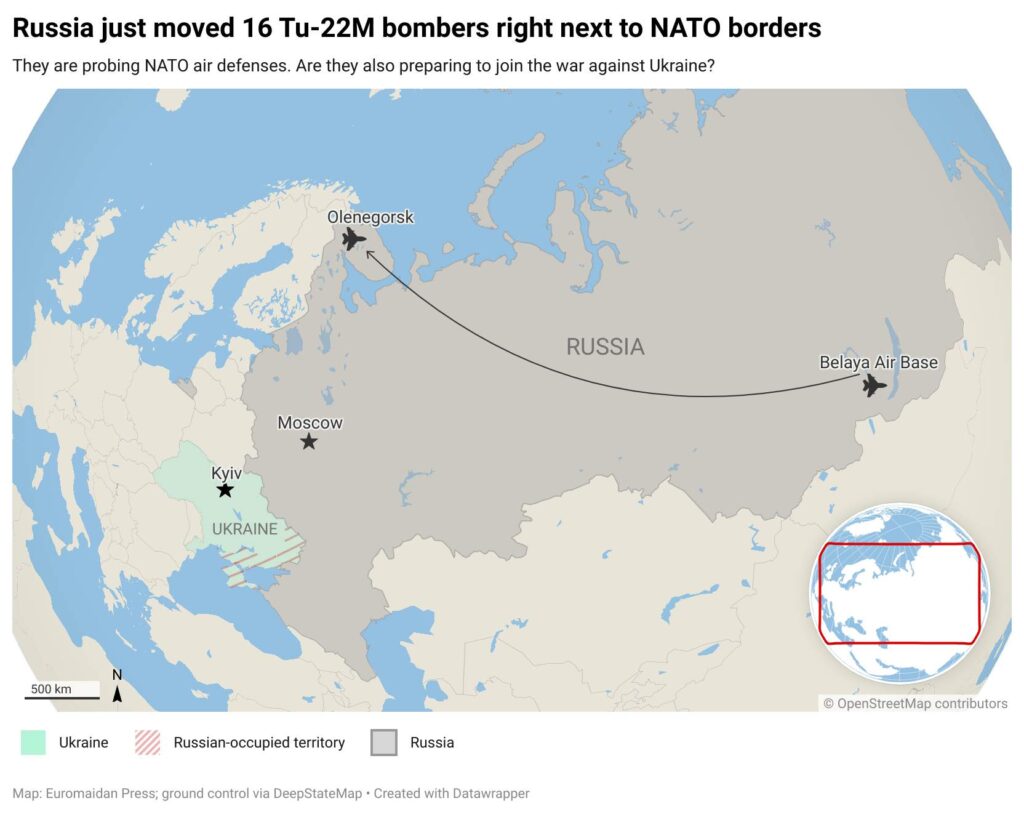
The move brought the supersonic bombers much closer to Ukraine. Belaya is 4,500 km from Ukraine; Olenegorsk is 1,600 km away. The Tu-22M's main missile, the Kh-22, ranges around 600 km with a 1,000-kg warhead.
Shortly after arriving at Olenegorsk, three of the Backfires carried Kh-22s on a sortie in international airspace over the Baltic Sea. The clear intention: to probe NATO air defenses. A Swedish Air Force Gripen fighter intercepted and shadowed one of the bombers without further incident.
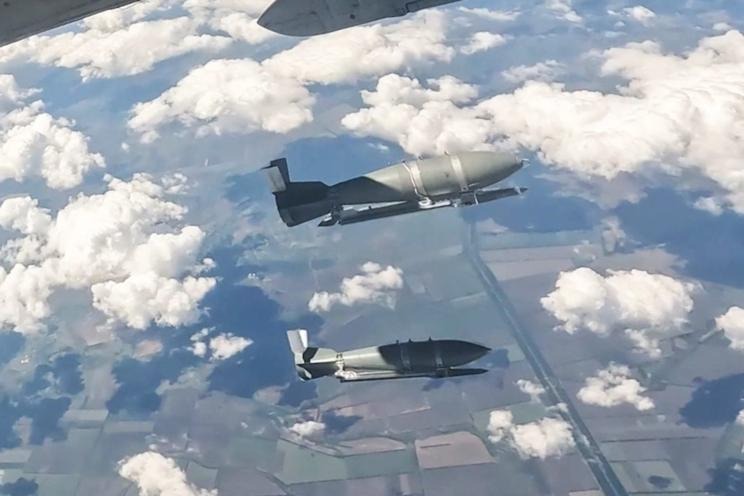
Early in Russia's 45-month wider war on Ukraine, the Tu-22Ms routinely participated in Russia's complex air raids targeting Ukrainian cities. But the pace of the Backfire raids slowed in 2024, possibly indicating the Russians were running low on the 6-ton, acid-fueled Kh-22s.
The Russian air force's propeller-driven Tupolev Tu-95s took over. The roughly four dozen quad-engine Tu-95s are now the Russian air force’s main manned strike assets for attacks on Ukrainian cities. Most of the roughly twice-a-week raids involve at least a few Tu-95s firing Kh-101 cruise missiles. The air force's 16 Kh-101-armed Tu-160s have occasionally joined in, too.
Struggling bomber fleet
The Backfire fleet has struggled—and not just from a lack of munitions. Prior to 1 June, the Russians had lost two Backfires to Ukrainian drone raids and one to a Ukrainian S-200 long-range surface-to-air missile battery.
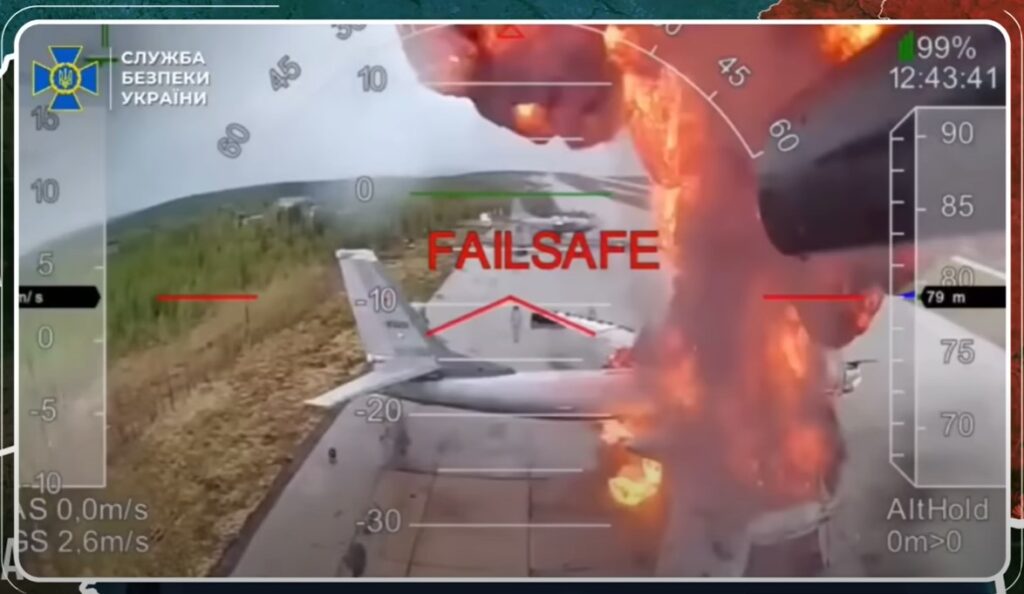
On 1 June, the Ukrainian state security agency—the SBU—smuggled a thousand short-range attack drones across Russia and blew up 11 or 12 Russian air force bombers at four air bases, including Belaya.
Among the wreckage were four Tu-22Ms.
In the aftermath of the SBU's Operation Spiderweb, the Russian air force repositioned the surviving 44 or so Tu-95s as well as the undamaged fleet of 16 swing-wing, quad-jet Tu-160s, sending the bombers to bases in Russia’s Far East, thousands of kilometers from Ukraine.
The air force did not reposition the Tu-22Ms. Open-source intelligence analyst AviVector spotted 43 Backfires at Belaya on 19 July. Four months later, the bulk of the Tu-22M fleet was still at Belaya. Until 25 November, when around half of the bombers staged much closer to Ukraine.
Trending Now
Signs Russia is rebuilding Tu-22M force
It's possible the Tu-22M force is preparing to rejoin the war against Ukraine in a big way. It's also possible the force is growing again after years of painful losses.
Aviation experts who track Russian bombers by way of their nose numbers were surprised that one of the Backfires that flew over the Baltic recently had never before been seen in public.
"This is a modernized or overhauled Tu-22M3 that has not appeared publicly before," AviVector reported.
The Russians keep hundreds of old Backfire airframes in storage. Not all are suitable for reactivation. But some of them surely are—and it's possible one of them has rejoined the war-battered front-line fleet in anticipation of a fresh wave of missile attacks on Ukrainian cities.
Tu-22M Backfire key facts:
- Losses since 2022: At least 7 destroyed, several more damaged
- Crew: 4
- Max speed: Mach 2.05 (2,300 km/h) — slower when carrying missiles
- Combat radius: ~2,400 km
- Primary weapon: Kh-22 missile (600 km range, 960 kg warhead); Kh-32 variant reaches 1,000 km
- Pre-war fleet: ~50-60 aircraft


